Before You Go
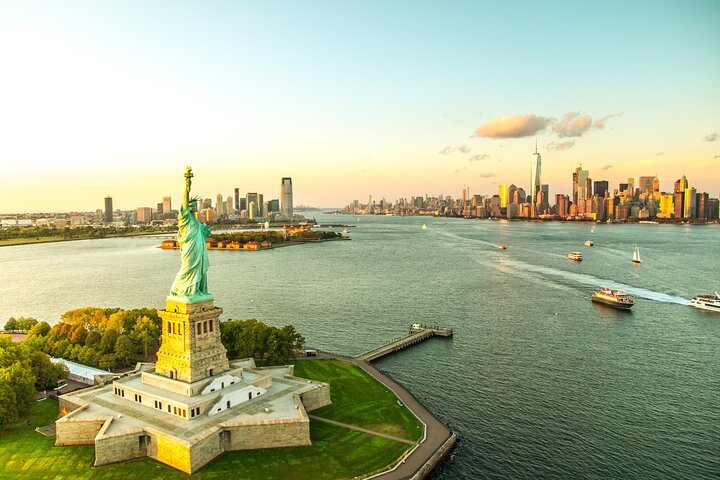
For many travelers, visiting the Statue of Liberty is a once-in-a-lifetime experience. However, visitors with mobility challenges, visual impairments, hearing impairments, or other accessibility needs often have additional questions before planning their trip. Understanding what facilities and accommodations are available can make the visit much smoother and more enjoyable.
This Accessibility Guide for Visiting Statue of Liberty is designed to help travelers understand the accessibility features available throughout the journey. From ferry transportation and island pathways to monument access and visitor facilities, knowing what to expect in advance can help reduce uncertainty and improve overall comfort during the visit.
The good news is that many areas of Liberty Island and the Statue of Liberty experience are accessible to visitors with disabilities. Accessible ferries, elevators, restrooms, and support services are available in several locations. In this guide, you will learn about accessibility options, important limitations, and practical tips to help you plan a comfortable and memorable visit to one of America’s most famous landmarks.
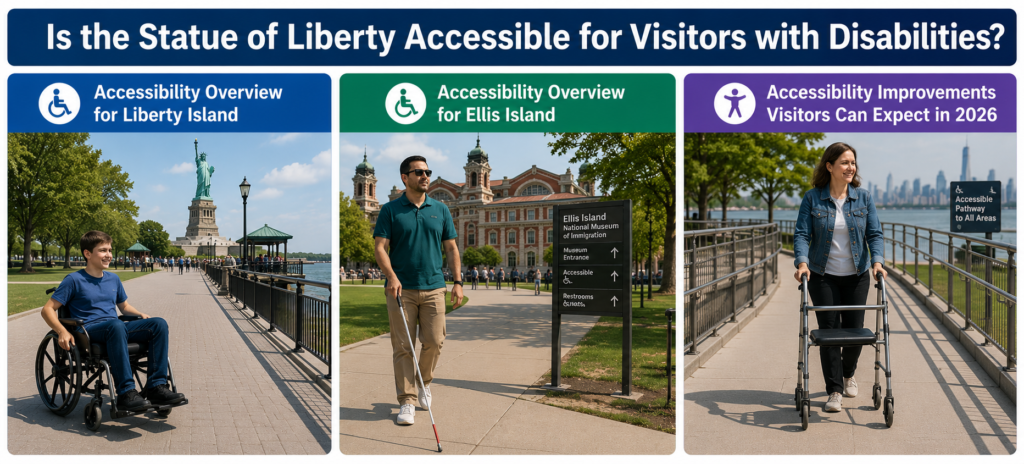
Is the Statue of Liberty Accessible for Visitors with Disabilities?
For many travelers, accessibility is one of the first questions that comes up when planning a visit. The encouraging news is that much of the Statue of Liberty experience has been designed to accommodate visitors with different mobility and accessibility needs. In fact, a good Statue of Liberty accessibility guide can help travelers identify which areas are fully accessible and where certain limitations still exist.
Visitors using wheelchairs, mobility aids, or other assistive equipment can access many major parts of the experience. However, not every area offers the same level of access. Some sections are easier to reach than others. Knowing these differences before arrival helps travelers set realistic expectations and enjoy their visit with greater confidence.
Accessibility Overview for Liberty Island
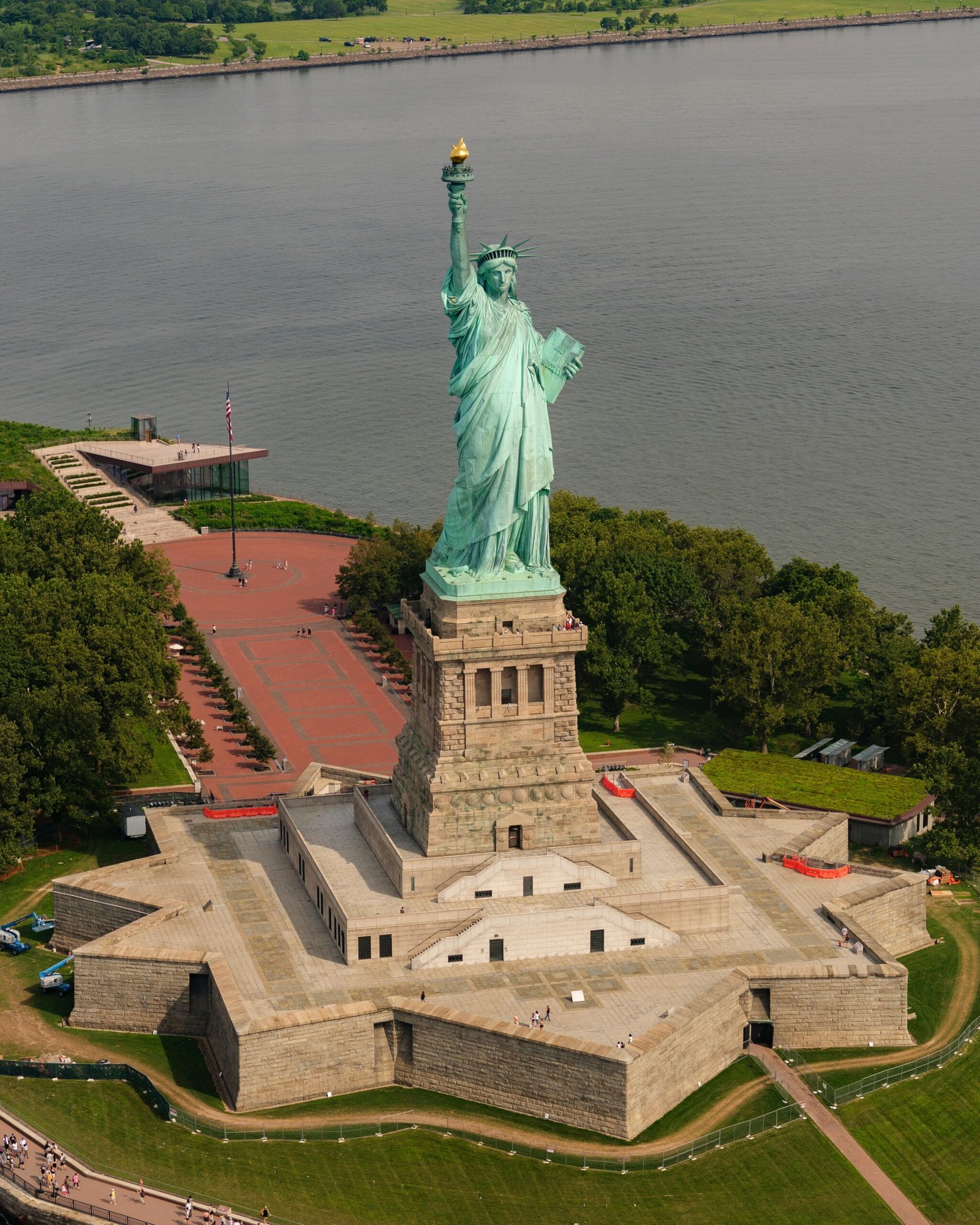
Liberty Island is generally easy to navigate for visitors with disabilities. Wide pathways connect the ferry dock, visitor facilities, viewing areas, and monument entrance.
Many travelers appreciate that most outdoor routes are paved and relatively smooth. This allows visitors to move around the island while enjoying views of New York Harbor without facing major barriers.
Accessibility Overview for Ellis Island
Ellis Island also provides accessible routes throughout much of the museum complex. Elevators and accessible facilities help visitors explore exhibits more comfortably.
This can be especially helpful for travelers who plan to visit both islands on the same day. Less physical strain often means more time to enjoy the exhibits and displays.
Accessibility Improvements Visitors Can Expect in 2026
Accessibility remains an ongoing focus across National Park Service sites. Visitors in 2026 can expect continued maintenance of accessible pathways, facilities, and visitor services.
While major structural limits still exist in some historic areas, travelers will find that accessibility information is easier to obtain than in previous years. That makes trip planning much more straightforward.
Accessible Transportation to Liberty Island
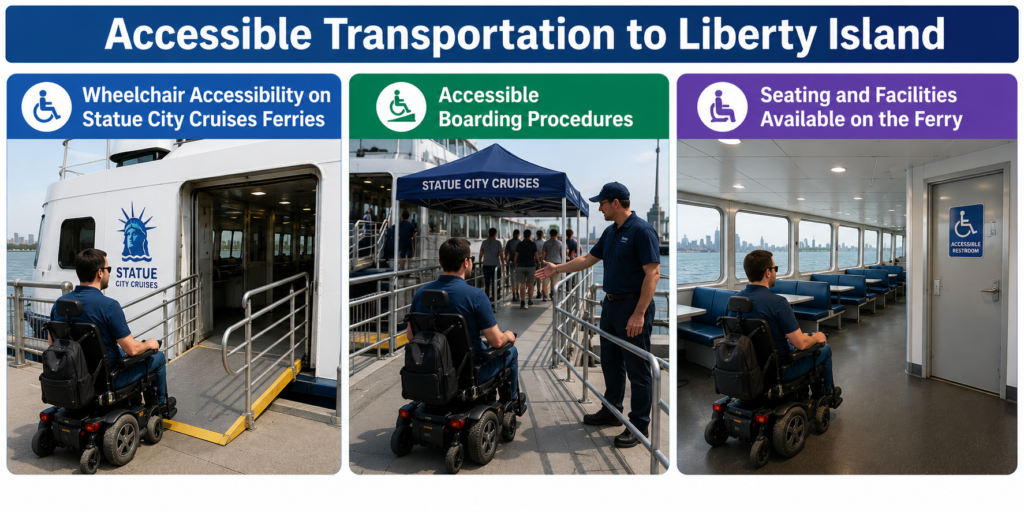
Getting to Liberty Island begins with the ferry, and this part of the journey is often a major concern for travelers with mobility needs. Fortunately, the ferry service includes features designed to make boarding and travel easier. Many visitors researching an accessible ferry to Statue of Liberty are relieved to learn that accessibility is considered from the moment they arrive at the departure terminal.
The experience is not identical for every traveler. Still, most visitors can reach the island comfortably when they understand the available facilities before departure.
Wheelchair Accessibility on Statue City Cruises Ferries
The ferries serving Liberty Island are wheelchair accessible. Ramps and accessible entry points allow many wheelchair users to board without facing stairs.
Travelers often focus on the monument itself, yet the ferry ride is the first important step. A smoother boarding experience can make the rest of the day feel much easier.
Accessible Boarding Procedures
Boarding areas are designed to accommodate travelers using wheelchairs, walkers, and other mobility aids. Staff members are also available to assist when needed.
This can be reassuring for visitors who are concerned about moving through busy departure areas. Small details often make a difference.
Seating and Facilities Available on the Ferry
Passengers can find indoor and outdoor seating during the crossing. Accessible restroom facilities are also available onboard.
Some travelers prefer the open-air decks for harbor views, while others choose indoor seating for greater comfort. Having both options helps visitors select what works best for their needs.
Wheelchair Accessibility on Liberty Island
Many travelers wonder how easy it is to move around once they step onto Liberty Island. The island is generally designed to support wheelchair access at Statue of Liberty, making it possible for many visitors to enjoy the grounds without major obstacles.
That said, comfort often depends on pace. Some visitors prefer a slower route around the island, while others move directly to key viewpoints and visitor facilities.
Pathways and Surface Conditions Around the Island
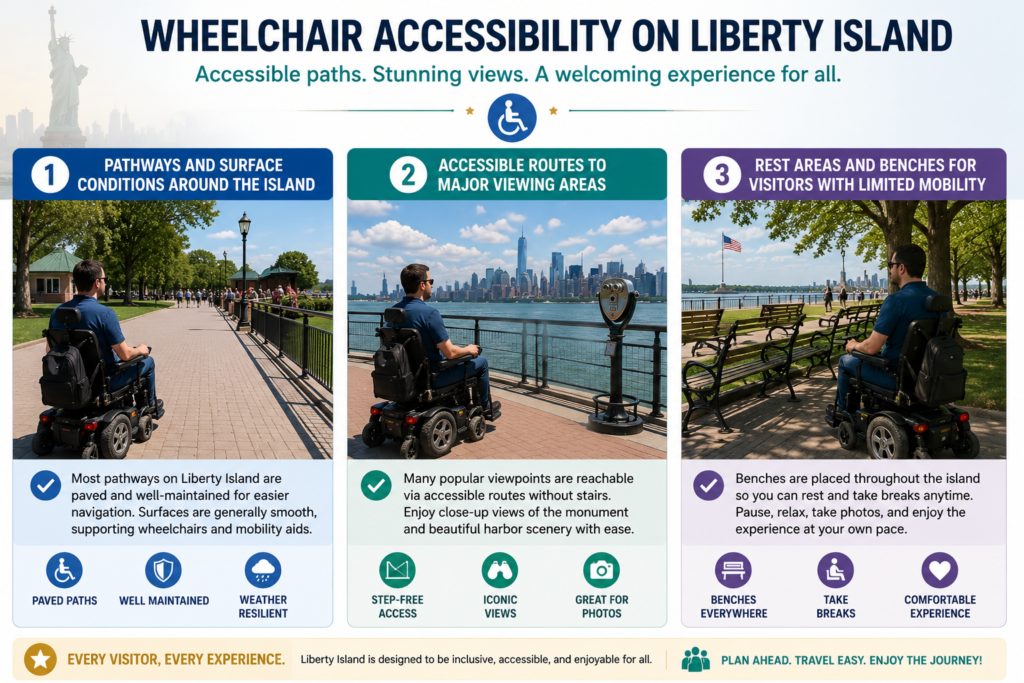
Most walking routes on Liberty Island are paved and maintained for visitor use. The surfaces are generally smooth, helping wheelchair users and travelers using mobility aids move more comfortably.
Weather can sometimes affect conditions. Still, the primary pathways remain easier to navigate than many visitors expect.
Accessible Routes to Major Viewing Areas
Several popular viewing points can be reached through accessible routes without needing to use stairs. This allows visitors to enjoy harbor views and close-up looks at the monument.
For many travelers, this is one of the most reassuring parts of the visit. The iconic views are not limited to those who can handle steep or challenging paths.
Rest Areas and Benches for Visitors with Limited Mobility
Benches are placed around different parts of the island, offering opportunities to pause and enjoy the surroundings. Short breaks can make a longer visit much more comfortable.
Some visitors use these seating areas to take photographs, while others simply relax before continuing around the island. Small pauses can go a long way.
Accessibility Inside the Statue of Liberty Monument
Many travelers feel confident about reaching Liberty Island but become uncertain when planning to enter the monument itself. A common question is whether can disabled visitors enter Statue of Liberty. The answer is yes, although access varies depending on the area being visited.
Some parts of the monument are designed to accommodate visitors with mobility needs. Others remain limited because of the structure’s historic design. Knowing this beforehand helps avoid surprises on the day of the visit.
Accessible Areas Within the Monument
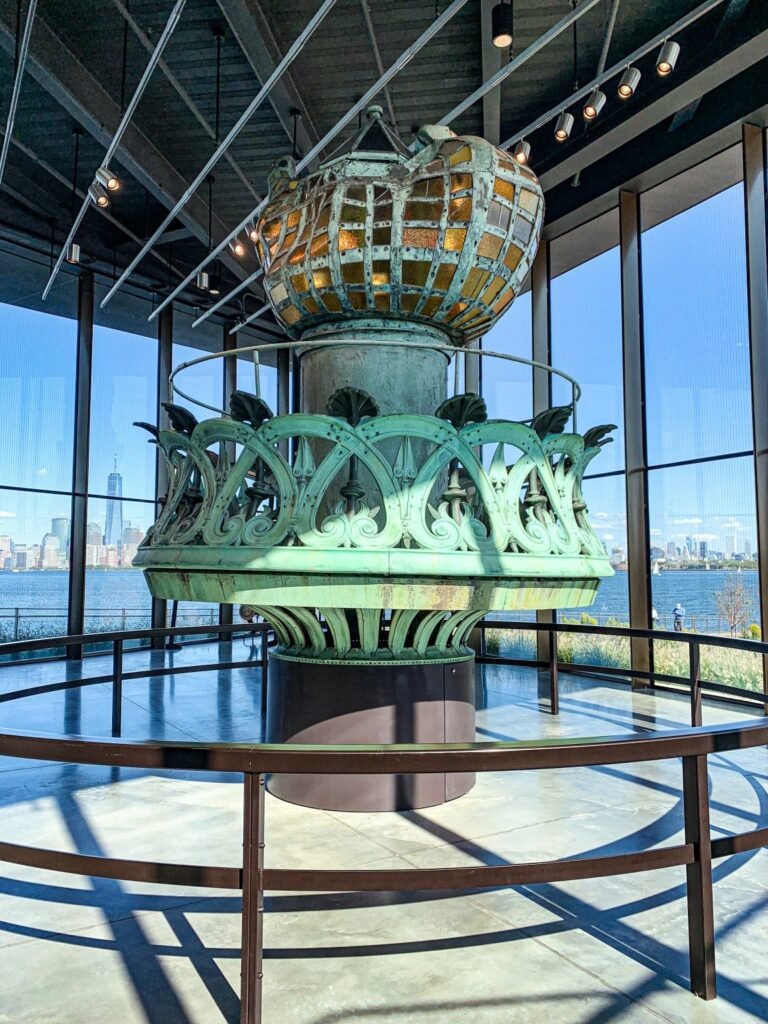
Several public areas inside the monument can be reached by visitors using mobility devices. These spaces allow travelers to experience part of the interior without facing major physical barriers.
For many visitors, simply being inside the monument is a memorable part of the trip. Fortunately, access is available beyond the entrance level.
Elevator Access to the Pedestal
An elevator provides access to the pedestal level for eligible visitors. This helps many travelers enjoy elevated views without climbing a long series of stairs.
It creates a very different experience from the crown route. The effort required is much lower, yet the views remain impressive.
Areas That Remain Inaccessible to Wheelchair Users
Certain sections of the monument cannot accommodate wheelchairs because of narrow spaces and stair-only access. The most notable example is the route leading to the crown.
This limitation is tied to the monument’s original design rather than modern visitor facilities. As a result, some areas remain physically challenging to reach.
Crown Access and Accessibility Limitations
Reaching the crown is often seen as the most exciting part of a Statue of Liberty visit. At the same time, it is also the most physically demanding area of the monument. This is especially important when considering Statue of Liberty accessibility for seniors and visitors with mobility limitations.
Unlike many modern attractions, the crown was built within a historic structure. As a result, access restrictions are based largely on physical space rather than visitor demand.
Physical Requirements for Reaching the Crown
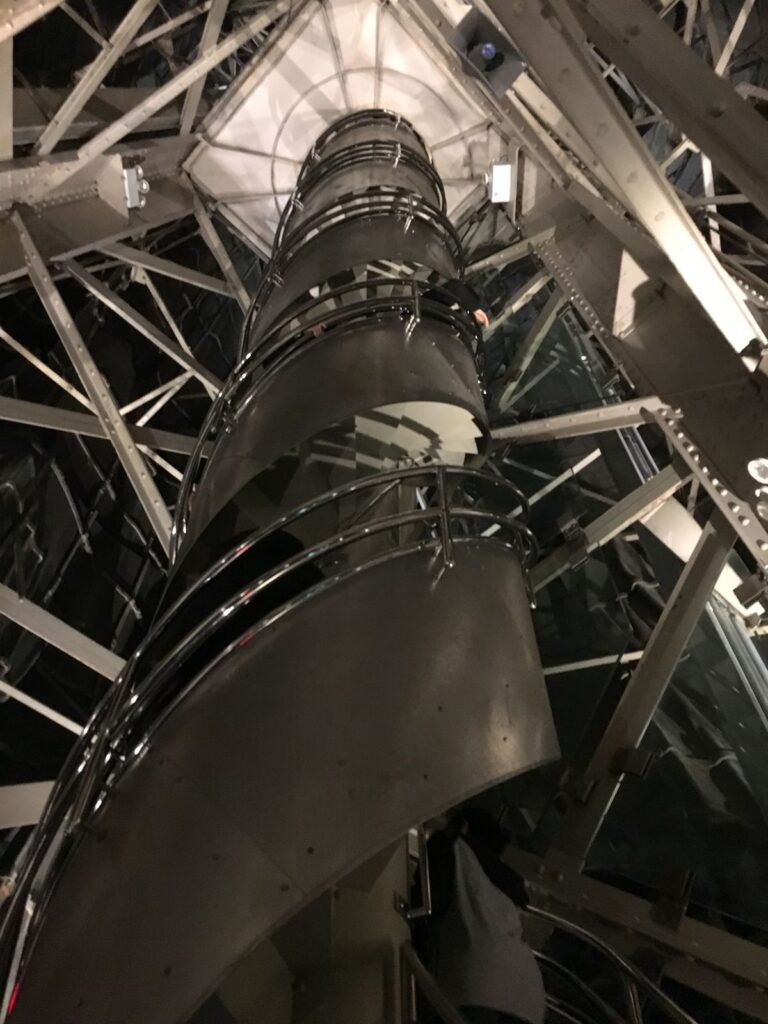
Visitors must climb a long series of narrow stairs to reach the crown. The route includes tight turns and confined spaces along the way.
For some travelers, the climb is rewarding. For others, it can feel strenuous, particularly during busy periods when movement is slower.
Why Elevators Do Not Reach the Crown
Elevators provide access only to certain levels of the monument. They do not continue to the crown because of the statue’s original internal design and limited space.
This often surprises first-time visitors. However, the restriction has existed for many years and remains unchanged.
Alternative Experiences for Visitors Unable to Climb
Not reaching the crown does not mean missing the entire experience. Many travelers spend their time exploring the pedestal level, monument exhibits, and outdoor viewing areas.
In fact, some visitors prefer these areas. The views are excellent, and the visit usually involves far less physical effort.
Accessible Facilities Available on Liberty Island
A comfortable visit often depends on more than ramps and pathways. Liberty Island also provides facilities that help visitors spend several hours on the island without unnecessary difficulty. This becomes especially helpful when considering Statue of Liberty accessibility tips for families traveling with older relatives or family members who need extra support.
The goal is simple. Visitors should be able to move between key facilities, take breaks when needed, and enjoy the island at their own pace.
Accessible Restrooms
Accessible restrooms are available on Liberty Island and are designed to accommodate visitors using wheelchairs and other mobility devices.
For many travelers, knowing the locations of these facilities before arriving brings peace of mind. Small details like this can make a day trip feel much easier.
Accessibility at the Visitor Center
The visitor center is designed with accessibility in mind. Visitors can enter and move through the main public areas without facing major physical barriers.
This is often one of the first places travelers explore after arriving. Fortunately, it is also among the easiest facilities to navigate.
Accessibility in Dining and Gift Shop Areas
Dining spaces and gift shop areas are generally accessible to visitors using mobility aids. Wide entrances and open layouts help many travelers move around comfortably.
Some visitors stop briefly, while others spend more time browsing. Either way, these areas are intended to be usable for a broad range of visitors.
Accessibility Tips for Planning a Comfortable Visit
A little preparation can make the visit much smoother. Many travelers focus on attractions first, but checking accessibility details beforehand often saves time and effort later. This is particularly useful when researching elevator access at Statue of Liberty and other mobility-related facilities.
Not every visitor has the same needs. Still, a simple plan helps most travelers enjoy the experience with fewer surprises along the way.
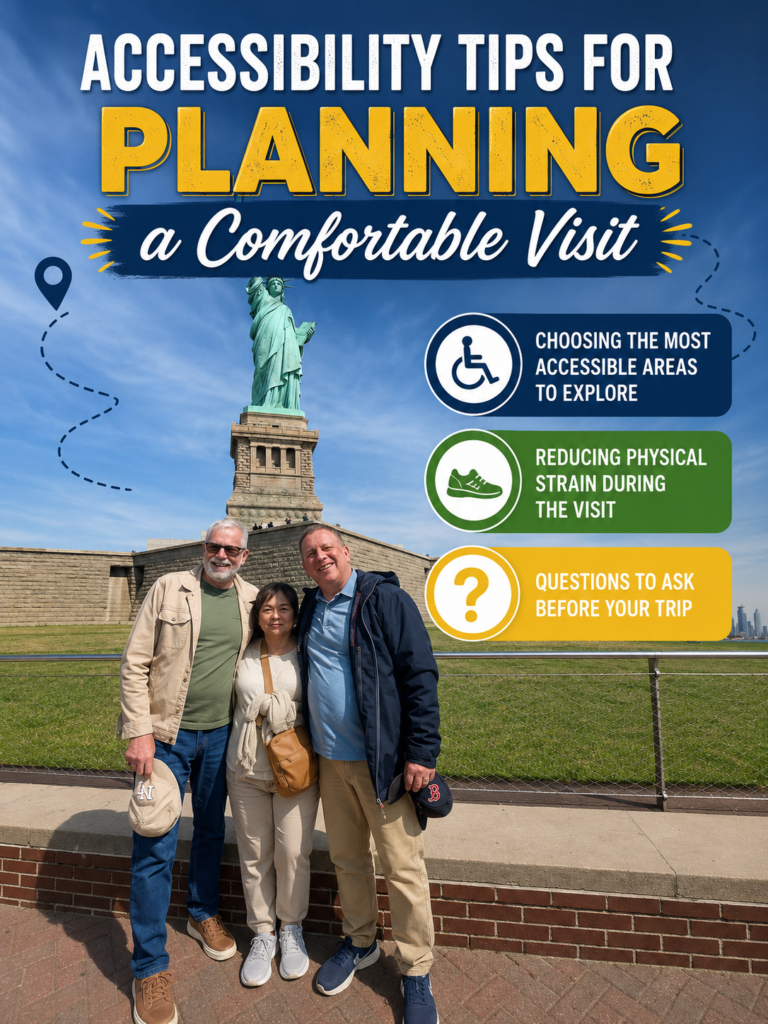
Choosing the Most Accessible Areas to Explore
Some areas are easier to navigate than others. Visitors with mobility concerns often prefer locations connected by paved routes and accessible facilities.
Rather than trying to see everything at once, focusing on the most accessible sections can create a more relaxed and enjoyable day.
Reducing Physical Strain During the Visit
The visit involves walking, standing, and moving between different locations. Taking breaks when needed can help conserve energy throughout the day.
A slower pace is not necessarily a disadvantage. Many travelers find they notice more of the scenery when they are not rushing.
Questions to Ask Before Your Trip
Before traveling, it can be helpful to confirm current accessibility services and facility availability. Conditions and maintenance schedules can occasionally change.
A few minutes of research beforehand can answer important questions and help visitors arrive with greater confidence in their plans.
Conclusion
Planning an accessible visit to the Statue of Liberty becomes much easier when you know what to expect before arriving. From accessible ferry transportation and island pathways to monument facilities and visitor services, many parts of the experience are designed to accommodate a wide range of visitor needs. Understanding both the available accommodations and the existing limitations can help travelers make informed decisions.
One of the most common questions travelers ask is can disabled visitors enter Statue of Liberty. In many cases, the answer is yes. Visitors can access numerous areas throughout Liberty Island, the ferry system, and selected sections of the monument. However, certain historic areas, particularly the crown, continue to have physical restrictions that visitors should be aware of before planning their day.
Families traveling with older relatives or loved ones who need extra assistance may also benefit from reviewing Statue of Liberty accessibility tips for families before their trip. A little preparation can go a long way. With the right expectations and a thoughtful plan, visitors can focus less on logistical concerns and more on enjoying one of America’s most iconic landmarks.
Frequently Asked Accessibility Questions
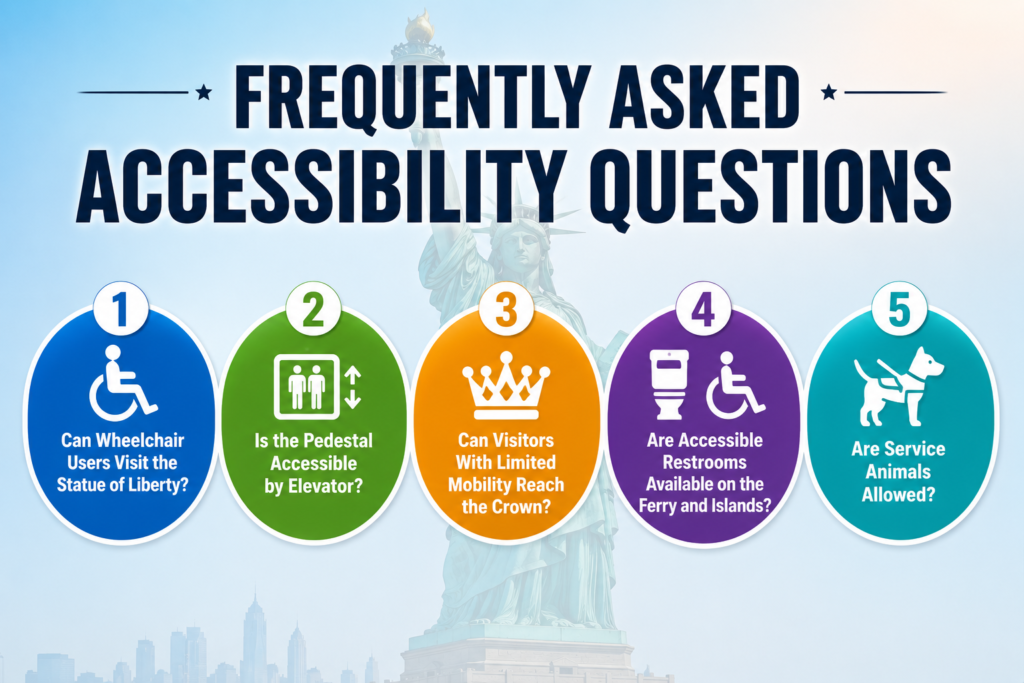
Can Wheelchair Users Visit the Statue of Liberty?
Yes. Many parts of the experience are designed to accommodate wheelchair users, including ferry transportation, Liberty Island pathways, and several monument areas. Travelers researching wheelchair access at Statue of Liberty are often pleased to discover that much of the visit can be enjoyed without encountering major barriers.
Is the Pedestal Accessible by Elevator?
Yes. Visitors who qualify for accessibility accommodations can use elevator facilities to reach the pedestal level. Information about elevator access at Statue of Liberty is particularly useful for travelers who cannot comfortably manage long stair climbs but still want elevated views.
Can Visitors With Limited Mobility Reach the Crown?
Usually, no. Access to the crown requires climbing a long, narrow staircase that does not have elevator service. This is one reason why Statue of Liberty accessibility for seniors and visitors with mobility limitations often focuses on the pedestal and surrounding monument areas instead.
Are Accessible Restrooms Available on the Ferry and Islands?
Yes. Accessible restroom facilities are available on the ferry as well as on Liberty Island and Ellis Island. Visitors planning to use the accessible ferry to Statue of Liberty often appreciate knowing that these facilities are available throughout much of the journey.
Are Service Animals Allowed?
Yes. Service animals that are trained to perform specific tasks for a person with a disability are generally permitted in areas where visitors are allowed. Any detailed Statue of Liberty accessibility guide should include this information, as it can be an important part of trip planning for some travelers.