.
First Look
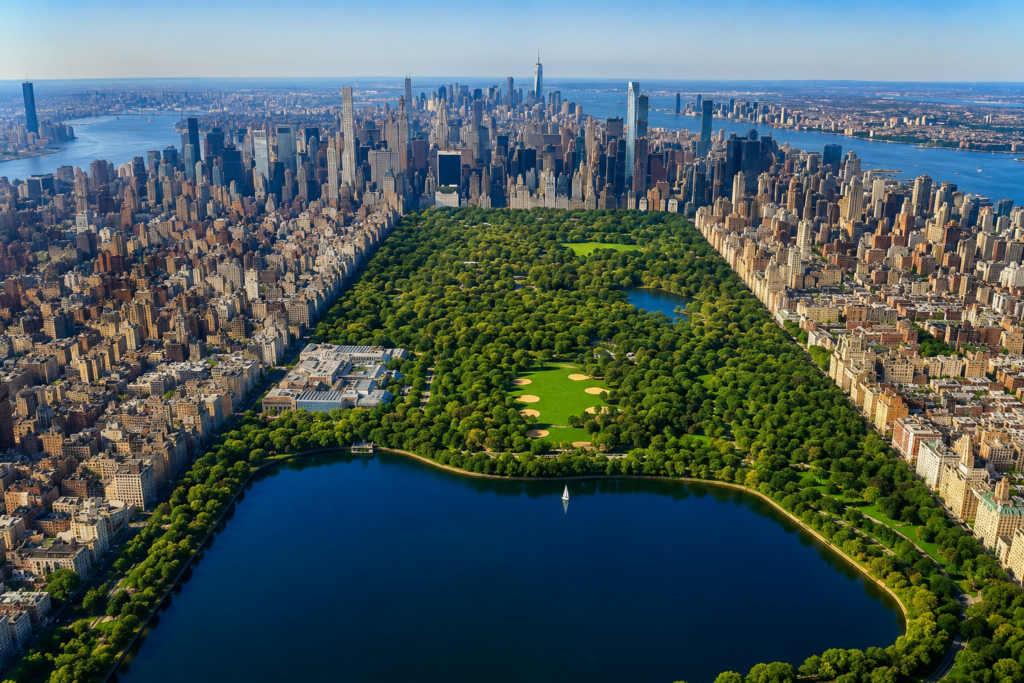
A surprising number of first-time visitors arrive at Central Park with only a few hours available, yet the park covers hundreds of acres filled with paths, landmarks, gardens, lakes, and gathering spaces. Choosing where to spend that limited time can feel difficult, especially when so many locations appear on travel lists and social media posts.
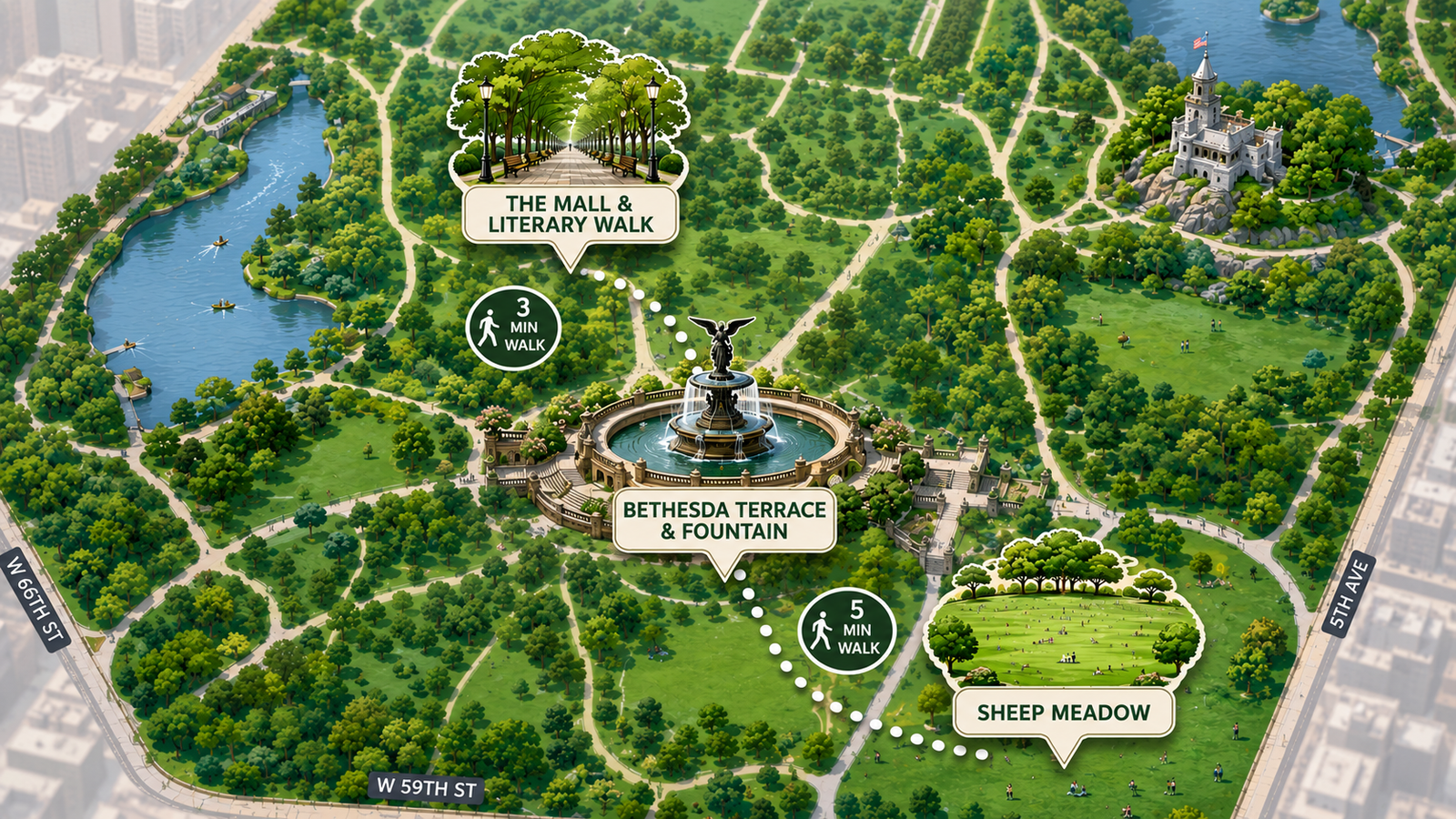
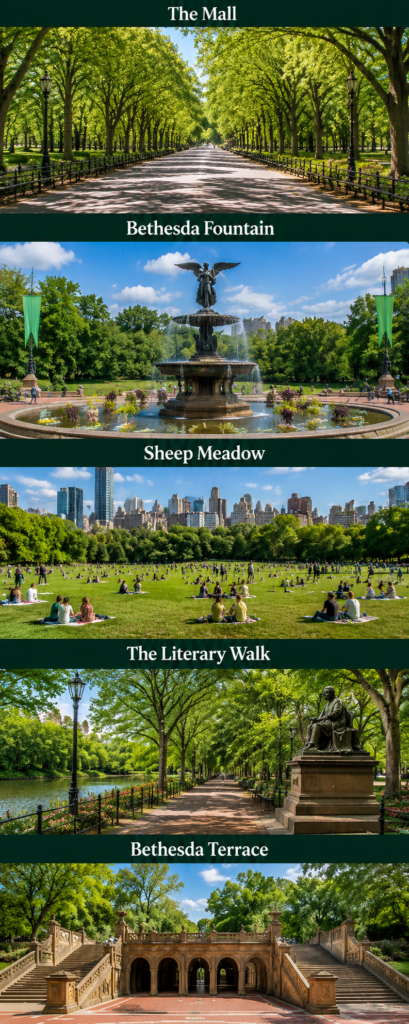
Rather than trying to see everything at once, many travelers benefit from focusing on Three Iconic Central Park Stops Every First-Time Visitor Should See: Bethesda Terrace and Fountain, The Mall and Literary Walk, and Sheep Meadow.
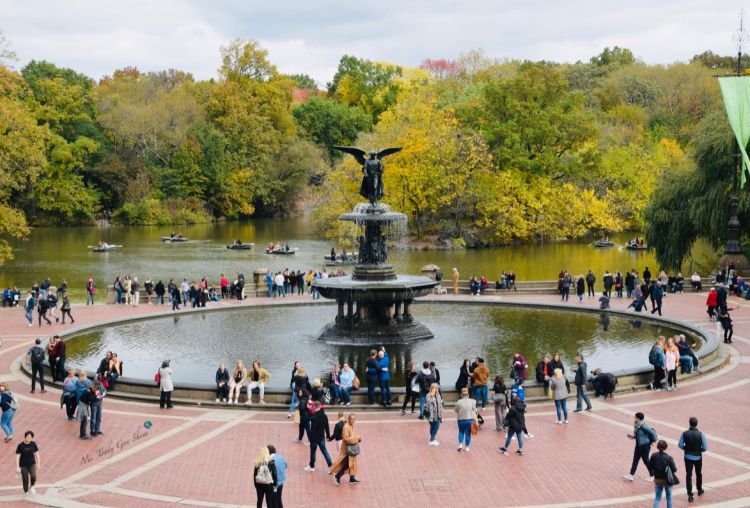
Bethesda Fountain
Together, these landmarks showcase the architecture, promenades, and open green spaces that have made Central Park one of New York City’s most celebrated destinations, as highlighted by NYC Parks and the National Park Service.
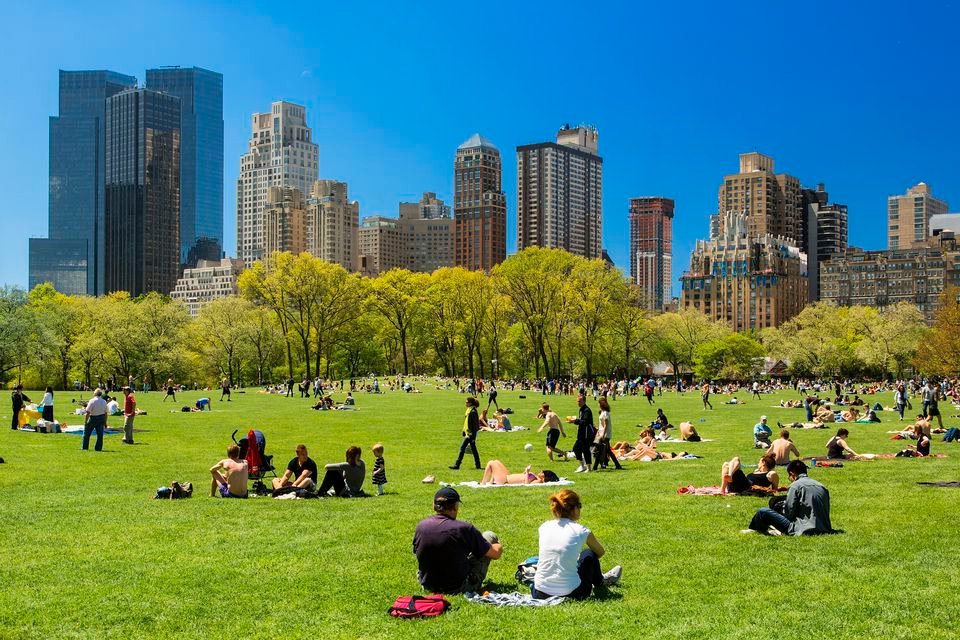
Sheep Meadow
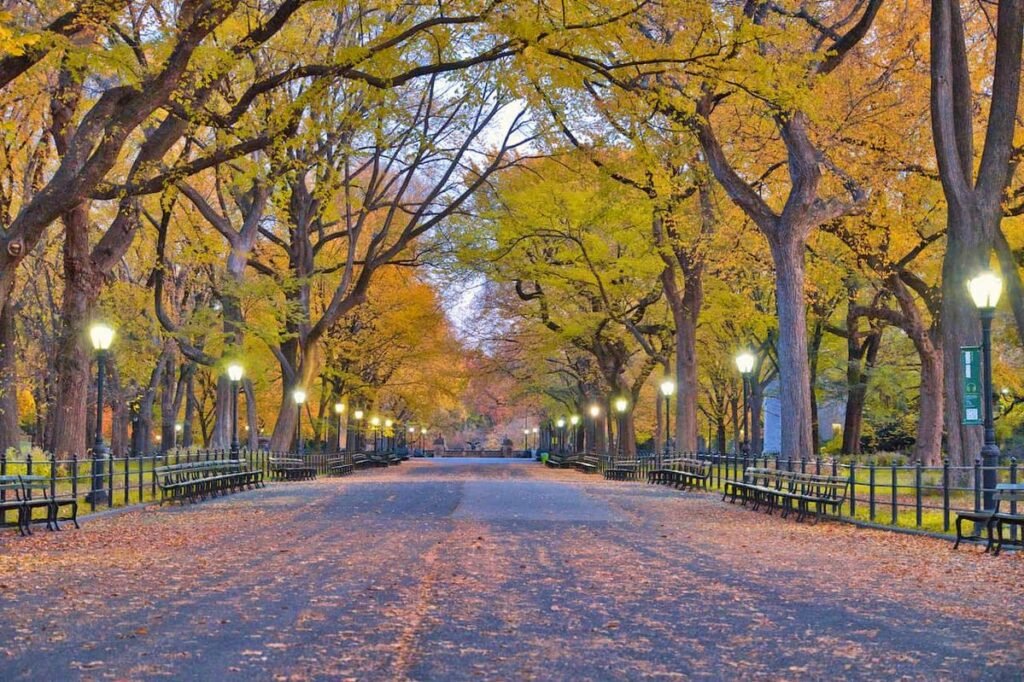
Literary Walk
Why These Three Stops Define the Classic Central Park Experience
Few places in Central Park appear on more first-time visitor itineraries than Bethesda Terrace, The Mall, and Sheep Meadow.
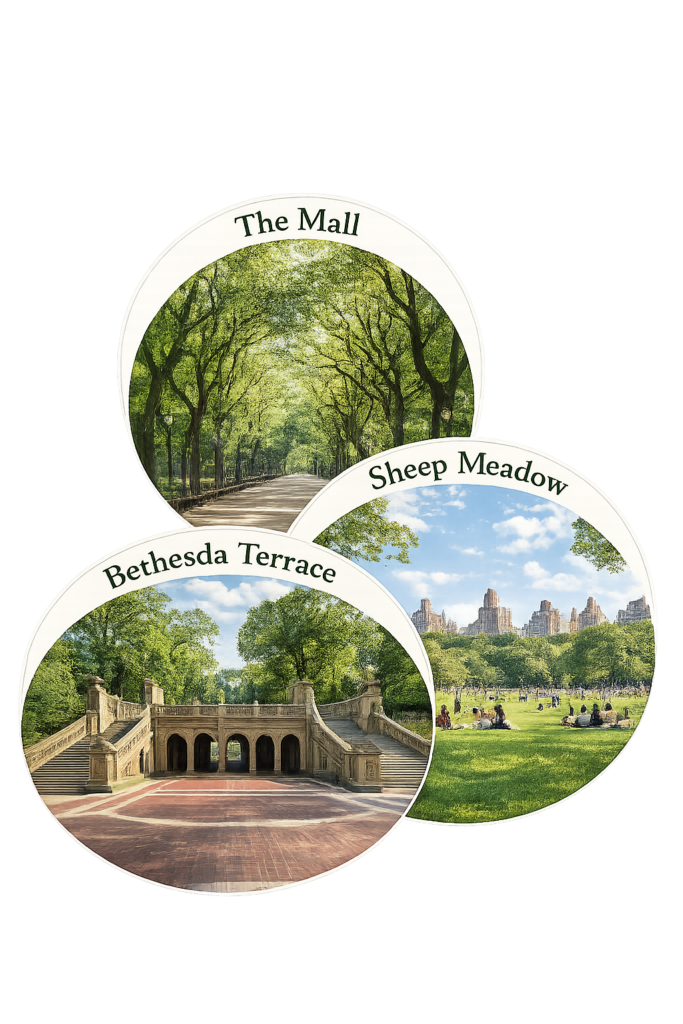
A closer look at these locations explains why they remain favorites year after year. Together, they represent some of the most recognizable scenery highlighted by the Central Park Conservancy, helping people experience the park’s most celebrated spaces without needing to cover long distances.
As sunlight filters through the elm trees along The Mall and gentle water movement near The Lake catches attention near Bethesda Terrace, the character of Central Park becomes easier to understand.
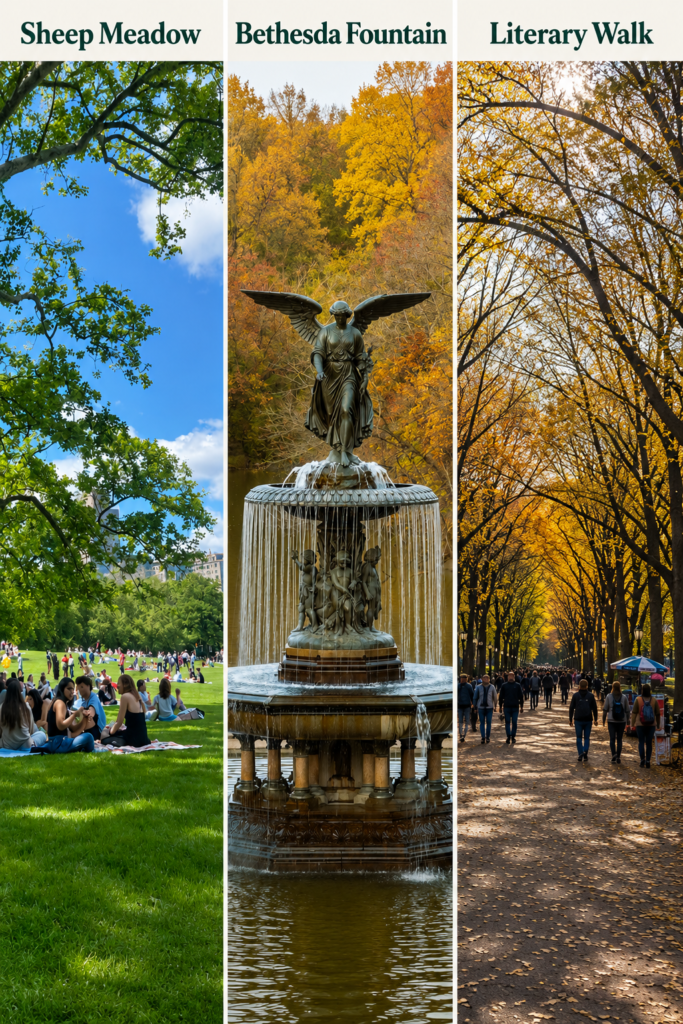
For anyone researching The Mall and Literary Walk visitor guide, these three locations provide an excellent starting point because they combine architecture, pathways, and open lawns in a compact area of the park.
Many travel planners also recommend them when discussing where to go first in Central Park because they capture the classic Central Park experience more effectively than almost any other combination of stops.
Bethesda Terrace and Fountain – The Heart of Central Park
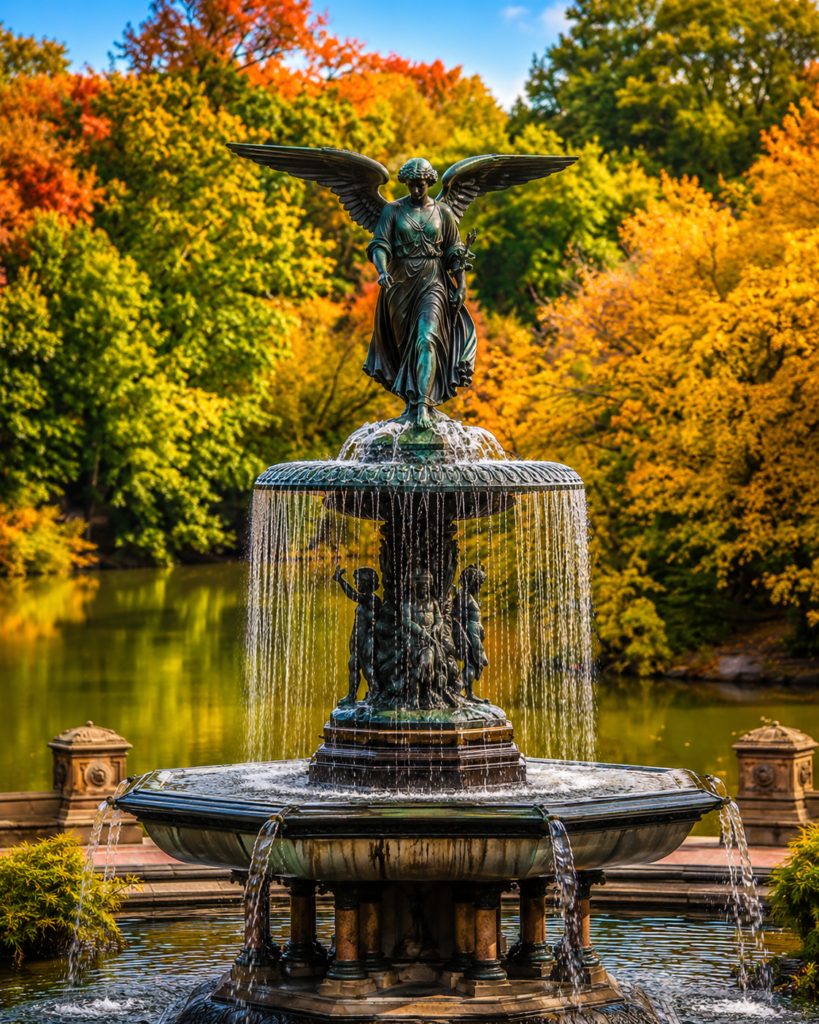
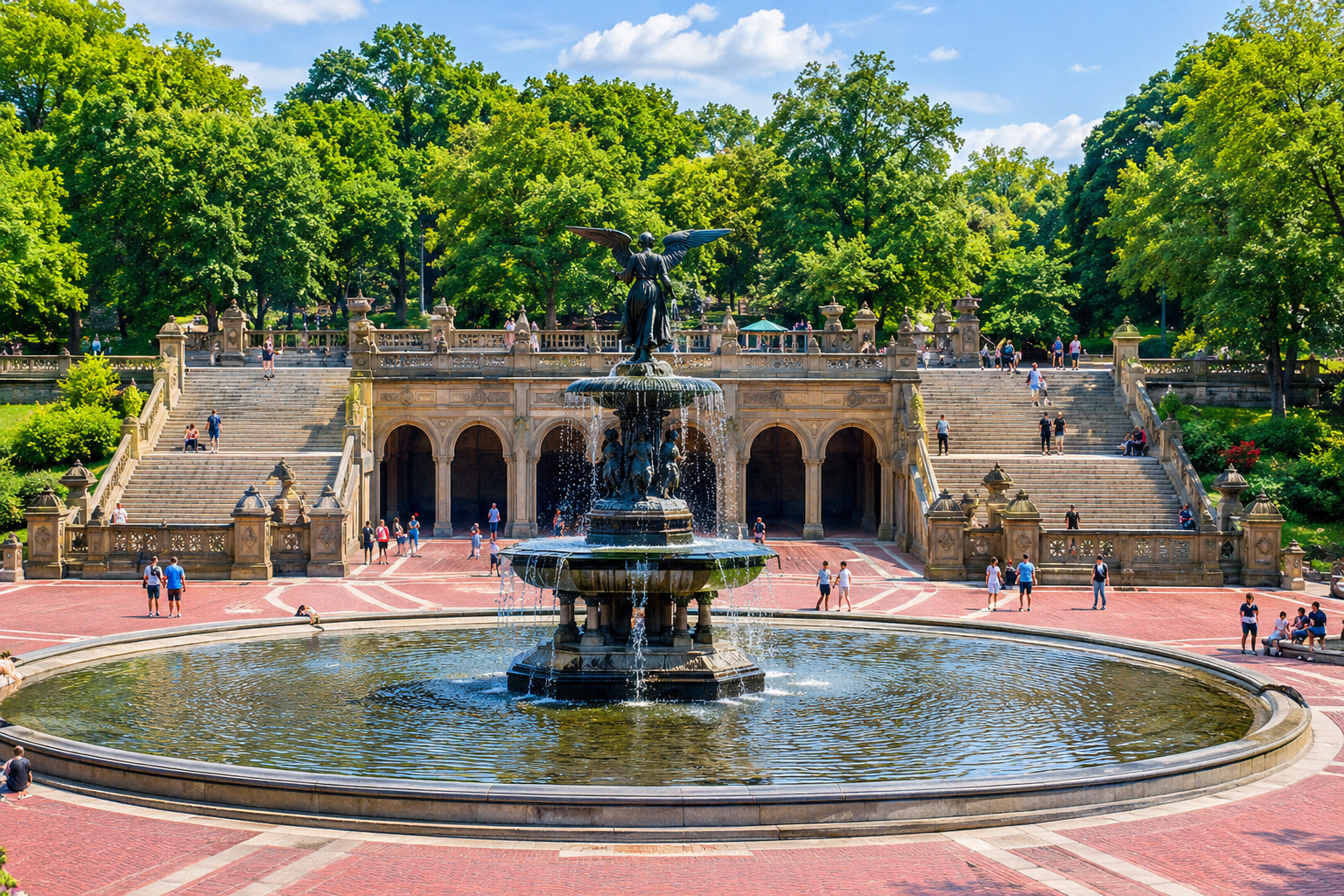
Bethesda Fountain
The sound of flowing water and the sight of visitors gathering around the fountain often make Bethesda Terrace feel like the center of activity in Central Park.
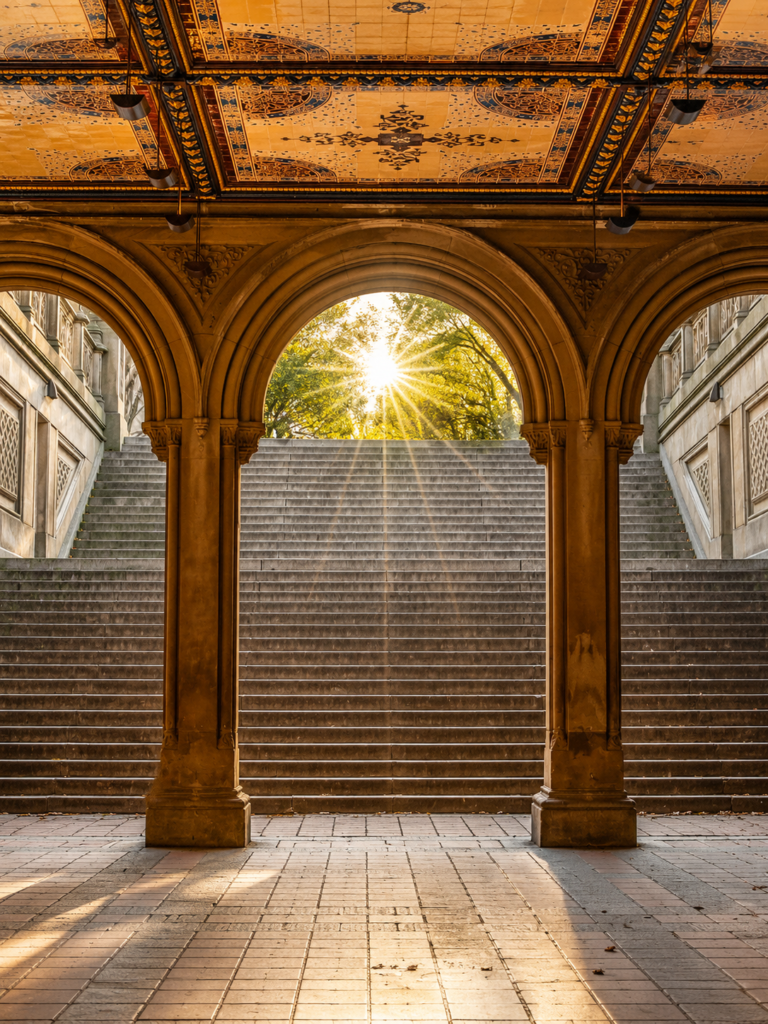
Inside view of Bethesda Terrace Arch
A closer look reveals why so many itineraries naturally lead here.
Located near the southern edge of The Lake and reached easily from East Drive and the 72nd Street Cross Drive, this landmark sits at one of the park’s most visually impressive crossroads.
Why Bethesda Terrace Is One of the Park’s Most Recognizable Landmarks
A surprising number of photographs associated with Central Park feature this exact location. According to the Central Park Conservancy, the terrace remains one of the park’s defining landmarks and a frequent stop for those exploring its most famous sights.
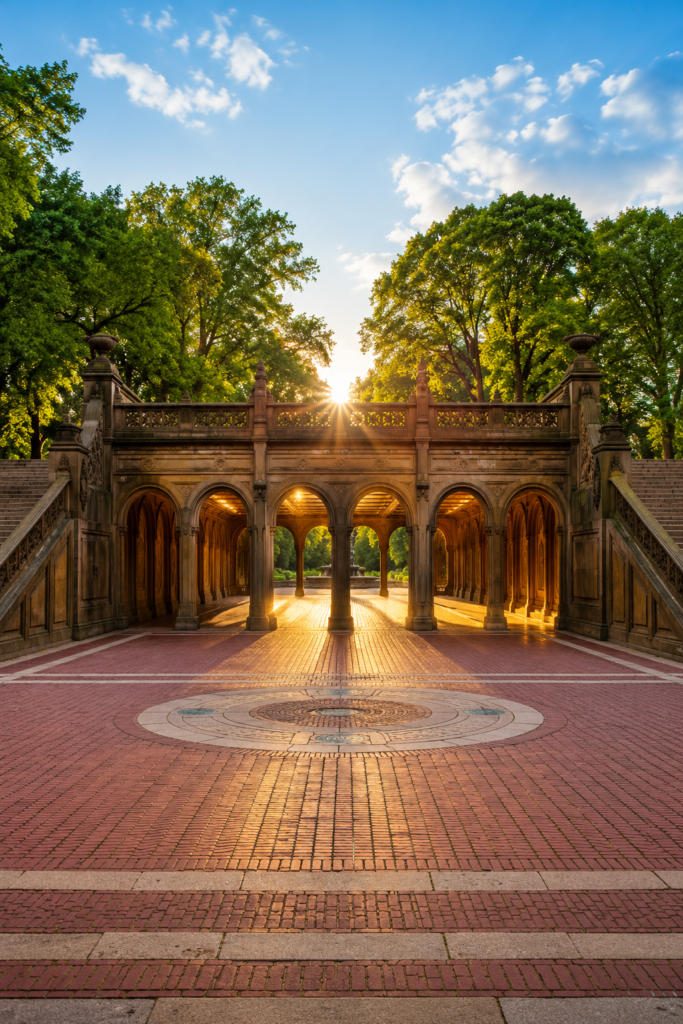
Outside view of Bethesda Terrace
Rather than focusing on historical details, most people remember how the space feels when they first arrive.
The broad stonework, open sightlines, and gathering spaces make orientation easy even during busy periods.
What First-Time Visitors Usually Experience Here
From the terrace level, views extend toward The Lake and several nearby pathways. The gentle sound of horse carriages occasionally drifts from nearby park drives, adding another layer to the atmosphere.
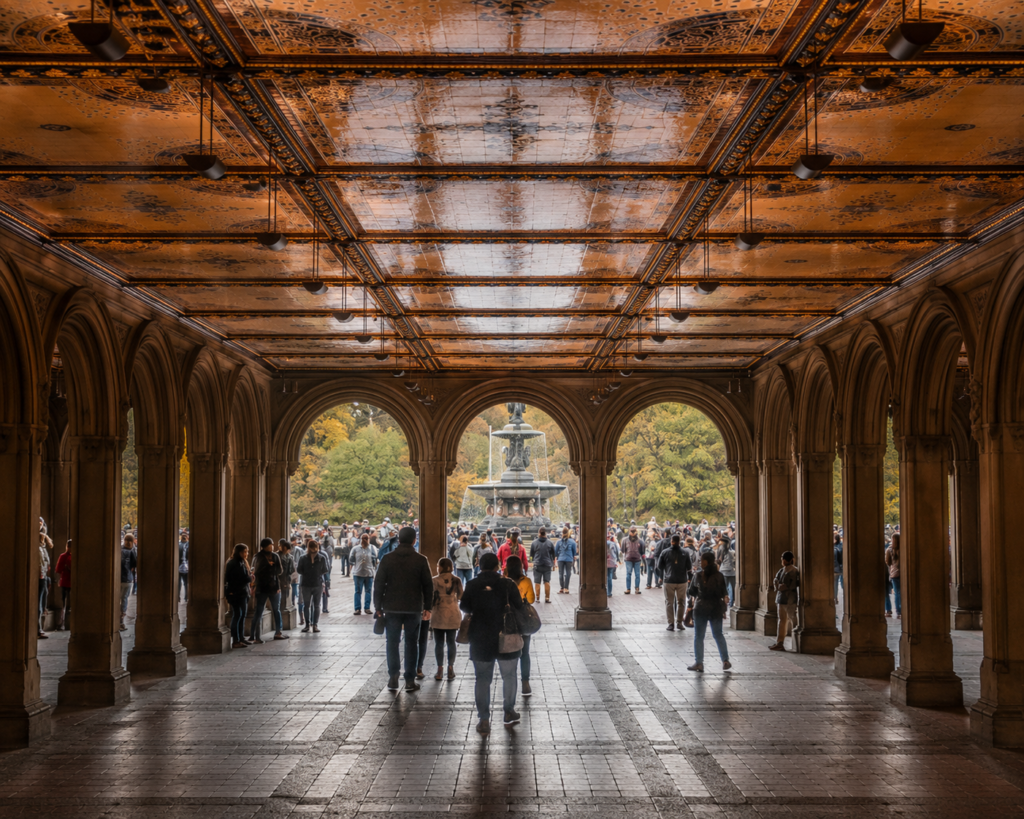
Inside view of Bethesda Terrace
Many people arrive expecting only a fountain. Instead, they often discover multiple viewpoints, shaded gathering areas, and direct access to nearby routes leading toward Bow Bridge and The Lake.
What Makes Bethesda Terrace Worth Prioritizing on Your First Visit
When comparing Central Park landmarks, few places combine so many classic features in one location.
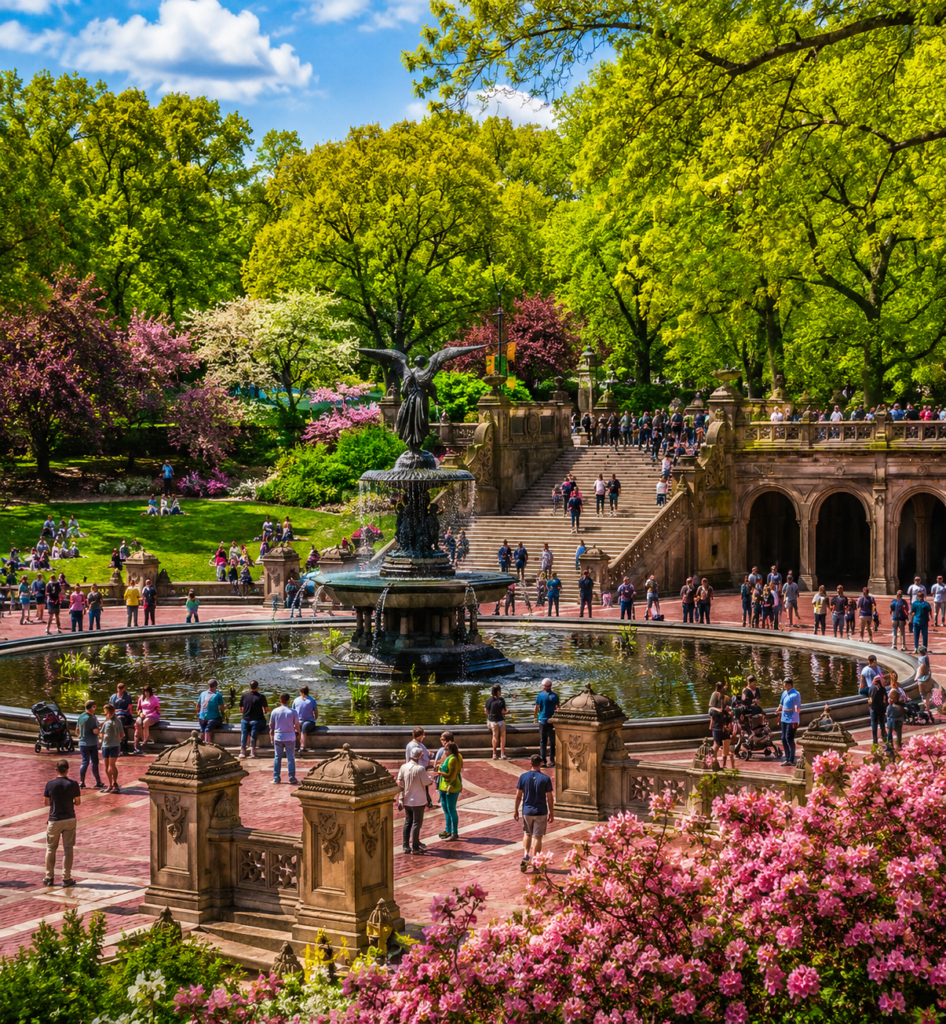
Bethesda Terrace and Bethesda Fountain
It is the one reason many guides discussing the best entrance to start a Central Park visit frequently direct people toward the southern and mid-park sections.
Photography enthusiasts often spend extra time here because changing light conditions create different perspectives throughout the day.
Anyone researching Bethesda Terrace photo spots in Central Park will find opportunities ranging from fountain-centered compositions to elevated terrace views overlooking surrounding landscapes.
The Mall and Literary Walk – Central Park’s Most Famous Promenade
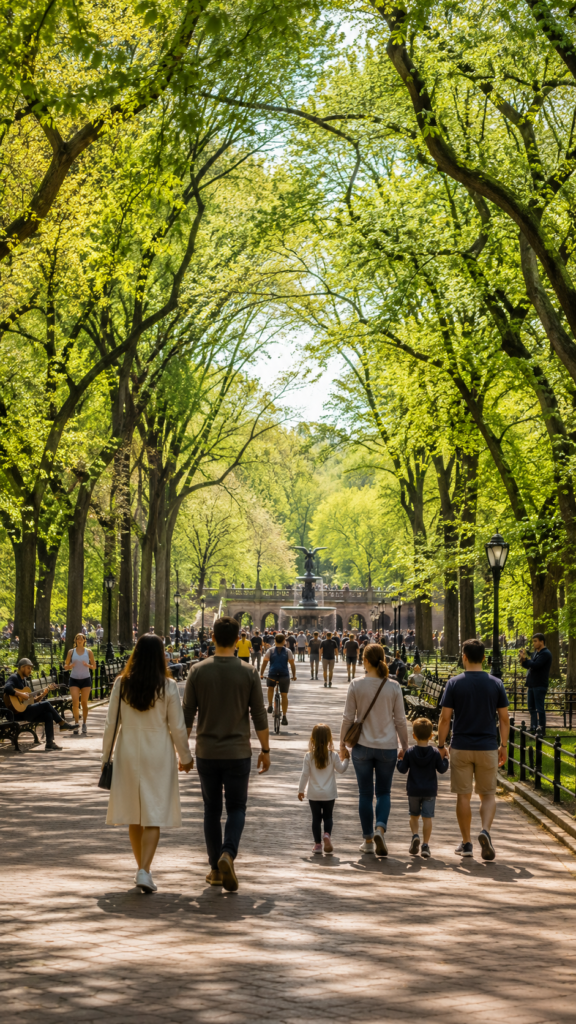
Stretching beneath one of the park’s most impressive canopies of American elm trees, The Mall offers a walking experience unlike anywhere else in Central Park.
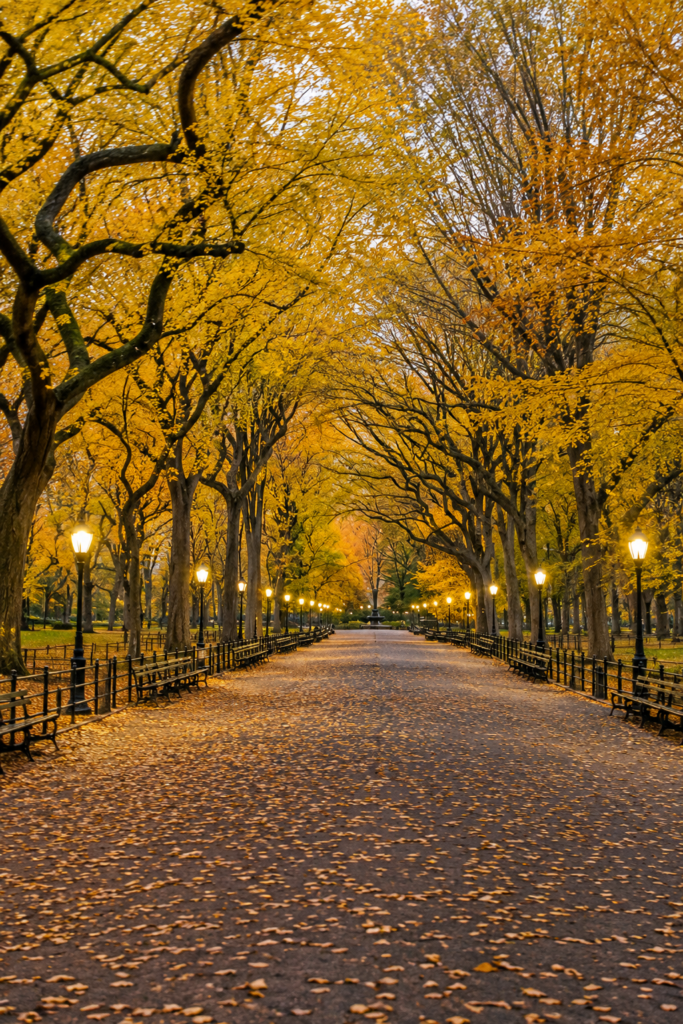
A small detail often surprises newcomers. This broad promenade was intentionally designed as one of the few formal gathering spaces in the park.
Why This Tree-Lined Walk Feels Different From Other Park Paths
Unlike narrower trails that weave through wooded landscapes, The Mall forms a wide pedestrian avenue shaded by towering elm branches that arch overhead in nearly every season.
As a result, the space feels grand yet welcoming, giving it a distinctive character that many people remember long after leaving Central Park.
What You Will See Along Literary Walk
Near the southern end of the promenade, artists, musicians, portrait sketchers, and seasonal performers often gather beside the famous statues on Literary Walk Central Park dedicated to figures such as William Shakespeare and Robert Burns.
During spring and autumn, changing colors, passing carriage rides, and the occasional smell of food carts from nearby pathways add to the scene that unfolds naturally while moving through Literary Walk.
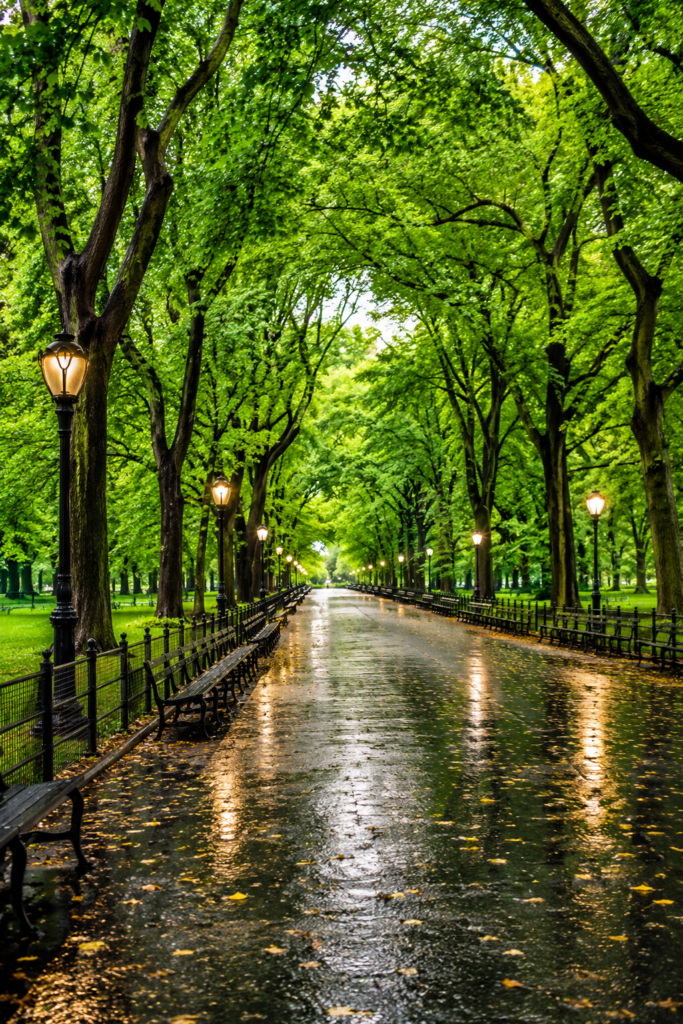
Why The Mall Is a Memorable Stop for First-Time Visitors
For anyone seeking an easy introduction to Central Park, walking through The Mall in Central Park provides a comfortable route with level pathways, clear sightlines, and a classic atmosphere that feels accessible to people of all ages.
Many memorable photographs happen here without much planning. The long tree-lined perspective, active promenade, and nearby access to attractions such as Bow Bridge in Central Park create countless opportunities for people-watching and photography throughout the day, especially between 8:00 a.m. and 11:00 a.m. when the walkway is often less crowded.
Sheep Meadow – Central Park’s Most Famous Open Lawn
While many areas of Central Park are filled with winding paths and wooded scenery, Sheep Meadow stands out for its wide-open space and uninterrupted skyline views.
A detail that often catches attention is its scale. Covering roughly 15 acres near West 69th Street, the meadow provides one of the largest unobstructed green spaces in the park.
Why Sheep Meadow Is One of the Park’s Most Popular Gathering Spaces
Many first-time arrivals are drawn here because the landscape is simple to enjoy without maps, schedules, or planning.
Unlike attractions that require moving from one viewpoint to another, Sheep Meadow invites people to slow down and stay awhile.
What Visitors Commonly Do at Sheep Meadow
Anyone researching things to do at Sheep Meadow Central Park will quickly discover that relaxing, people-watching, and enjoying the open surroundings are among the most common activities.
A frequent question is “Can you picnic at Sheep Meadow?”.
Yes, picnicking is permitted when the lawn is open, though this location is best viewed as a place to relax rather than a destination requiring extensive picnic planning.
Families often appreciate the generous space available for children to move around comfortably, which is one reason the area is frequently mentioned in guides about tips for visiting Central Park with kids.
Why Sheep Meadow Captures the Park’s Relaxed Side
For those seeking some of the best free activities in Central Park, spending time here requires nothing more than finding a comfortable spot on the grass.
A useful strategy is arriving before 11:00 a.m. on weekends or during weekday mornings when the Sheep Meadow is generally less crowded.
Compared with busy locations around Fifth Avenue, Times Square, or nearby commercial districts, Sheep Meadow offers a stronger sense of openness and breathing room.
How to Visit All Three Stops During One Walk
Many first-time visitors wonder whether they can see Central Park’s most famous landmarks without spending an entire day navigating the park.
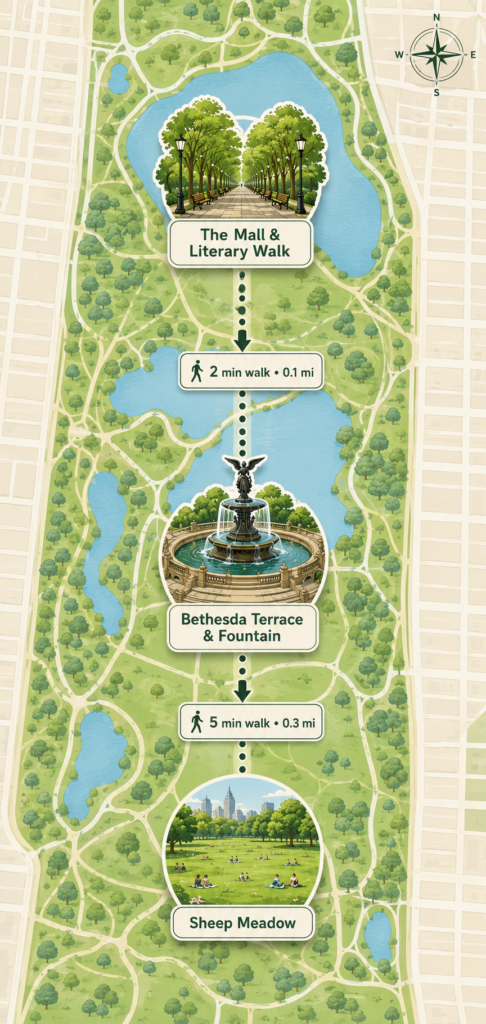
A practical answer is yes. These three locations sit close enough to one another that they can be explored comfortably during a single walk through the park’s southern and mid-park sections.
Suggested Walking Order for First-Time Visitors – For the smoothest experience, begin at The Mall, continue to Bethesda Terrace and Fountain, and then finish at Sheep Meadow, allowing the route to unfold naturally from shaded pathways to open lawn views.
How Much Time to Allow for These Three Locations – A surprising number of people complete this route in about 90 minutes to 2.5 hours, depending on how long they spend enjoying scenery, taking photographs, or pausing at viewpoints along the way.
Before setting out, reviewing a Central Park packing list for visitors can help ensure essentials such as water, comfortable walking shoes, and weather-appropriate clothing are already covered.
Best Time of Day to Explore This Route – As sunlight through trees creates shifting patterns along The Mall, many consider early morning between 8:00 a.m. and 11:00 a.m. the best time to visit The Mall, Central Park.
While late afternoon and the hour before sunset often provide the most appealing light around Bethesda Terrace and Sheep Meadow.
For those researching the best time to visit Sheep Meadow, weekday mornings and early evenings typically offer a more relaxed atmosphere than busy weekend afternoons.
While following basic Central Park travel tips for tourists can make the entire walk more comfortable and enjoyable.
Which of These Three Stops Will Appeal Most to You?
Which of these iconic Central Park locations deserves the most time on your itinerary?
A simple answer depends on what catches your attention first when exploring a large city park.
Some people are naturally drawn to architecture, others enjoy scenic walks, while many prefer open spaces where they can slow down and take in the surroundings.
For Architecture and Landmark Lovers – If grand staircases, decorative stonework, and famous gathering places interest you most, Bethesda Terrace is likely the strongest match, and researching what to see at Bethesda Terrace in Central Park can help highlight features that are easy to overlook during a quick visit.
For Scenic Walks and Photography – As patches of shade move beneath the American elm canopy throughout the day, The Mall and Literary Walk offer one of the park’s most photogenic walking routes, while nearby paths also connect to several of the best bridges to visit in Central Park.
For Relaxation and Open Views – Unlike the busier promenade and landmark-focused terrace, Sheep Meadow appeals most to those seeking open lawns, skyline views, and a slower pace, making a Sheep Meadow visitor guide Central Park especially useful for planning time in this expansive section of the park.
Frequently Asked Questions About These Iconic Central Park Stops
Can you visit all three locations in one trip?
Yes. Bethesda Terrace, The Mall and Literary Walk, and Sheep Meadow are located within Central Park’s southern and mid-park sections, making it realistic to see all three during a single visit. Many people comfortably explore the route in 90 minutes to 2.5 hours, depending on how often they stop for photographs, sightseeing, or short breaks.
Which stop is best for photos?
Each location offers something different for photographers. Bethesda Terrace is known for its fountain, stone architecture, and views toward The Lake. The Mall provides dramatic tree-lined perspectives, especially during spring and fall. Sheep Meadow is ideal for capturing wide lawn views with the Manhattan skyline in the background.
If photography is a priority, the best time to visit Bethesda Fountain is often early morning or the hour before sunset, when lighting tends to be softer and crowds are generally lighter.
Which location is usually the busiest?
Bethesda Terrace is typically the busiest of the three locations because it serves as a central gathering point and attracts sightseers, performers, and photographers throughout the day. The Mall experiences steady foot traffic, while Sheep Meadow often feels busiest on warm spring and summer afternoons when people gather on the lawn.
Are these stops suitable for families?
Yes. All three locations are family-friendly and offer different experiences. Children often enjoy watching performers around Bethesda Terrace, families can take a relaxed walk beneath the elm trees along The Mall, and Sheep Meadow provides plenty of open space for resting and enjoying the outdoors.
Parents planning a longer outing may find tips for visiting Sheep Meadow Central Park helpful when deciding how much time to spend on the lawn.
How far apart are Bethesda Terrace, The Mall, and Sheep Meadow?
The Mall connects directly to Bethesda Terrace, making those two locations only a short walk apart. Sheep Meadow is located west of Bethesda Terrace near West 69th Street. Walking between all three stops is straightforward and typically takes only a few minutes between each location, depending on pace and crowd levels.
What is the best season to see these landmarks?
Spring and fall are often considered the most scenic seasons. Spring brings fresh greenery and flowering trees, while fall adds colorful foliage throughout the park. Summer offers lively activity and long daylight hours, while winter can provide quieter paths and unobstructed views.
Those interested in seasonal scenery often appreciate what to see along Literary Walk Central Park during autumn, when the elm canopy creates one of the park’s most memorable displays of fall color.
How to get to Bethesda Terrace Central Park?
Bethesda Terrace is located near the center of Central Park around 72nd Street. One of the easiest approaches is from the East 72nd Street entrance near Fifth Avenue, followed by a short walk west toward The Lake. Visitors entering from Central Park West can also reach the terrace by following pathways east from the 72nd Street area.
For anyone wondering how to get to Bethesda Terrace Central Park, arriving from either East 72nd Street or West 72nd Street provides the most direct access to this iconic landmark.