Before You Go
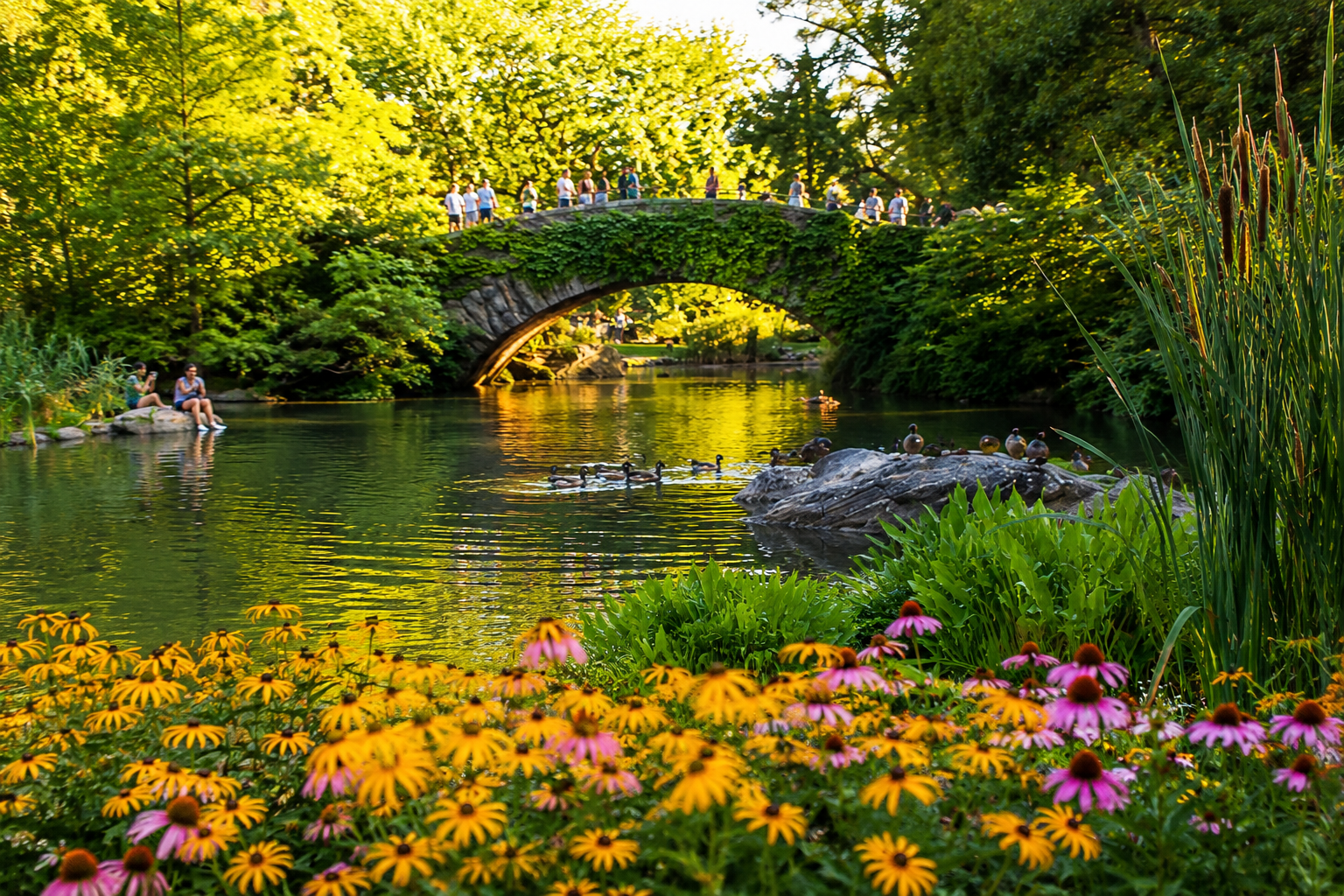
Near The Pond in the southeastern section of Central Park, Historic Gapstow Bridge in Central Park is one of those landmarks that feels instantly familiar, even to people seeing it for the first time. The stone arch has become a recognizable part of the park’s landscape, yet its history is often overlooked while attention shifts to the surrounding scenery. What stands here today is not the bridge that early park visitors crossed in the 1800s.

According to the Central Park Conservancy and the National Park Service, an earlier wooden structure once occupied this location before being replaced by the current Historic stone bridge in Central Park. Its story stretches back more than a century and reveals how Central Park continued to evolve long after its original construction. Beyond its appearance, Gapstow Bridge reflects an important part of Central Park’s design history and evolution.
How Gapstow Bridge Became Part of Central Park
Near the eastern shoreline of The Pond Central Park, the bridge standing today traces its roots to an earlier crossing built during the 1870s, when Central Park was still evolving beyond its original construction period. A wooden bridge once occupied this spot, providing a practical route across the water while the surrounding landscape was still maturing.
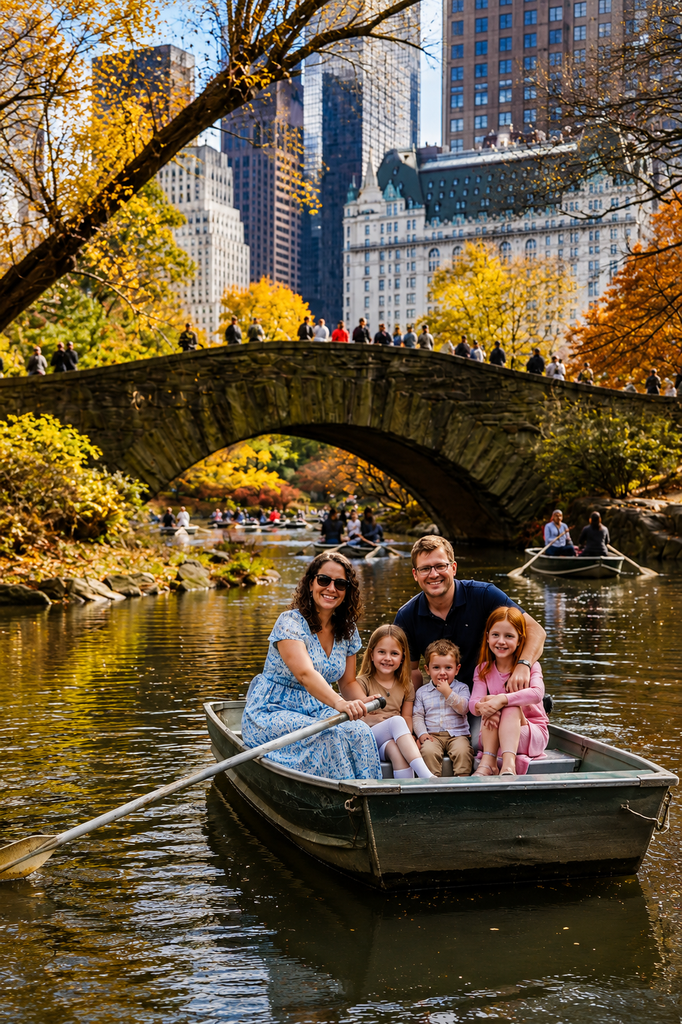
The turning point came in 1896 when the original wooden crossing was removed and replaced with the stone arch that now defines Gapstow Bridge architecture. Rather than introducing an elaborate Victorian showpiece, designers chose locally sourced Manhattan schist, allowing the bridge to blend naturally with the rocky terrain surrounding The Pond.
Architectural Details Many Visitors Overlook
Built to Blend Into the Landscape: Unlike ornamental bridges found along busy Manhattan streets, Gapstow Bridge was designed to sit quietly within the landscape rather than dominate it.
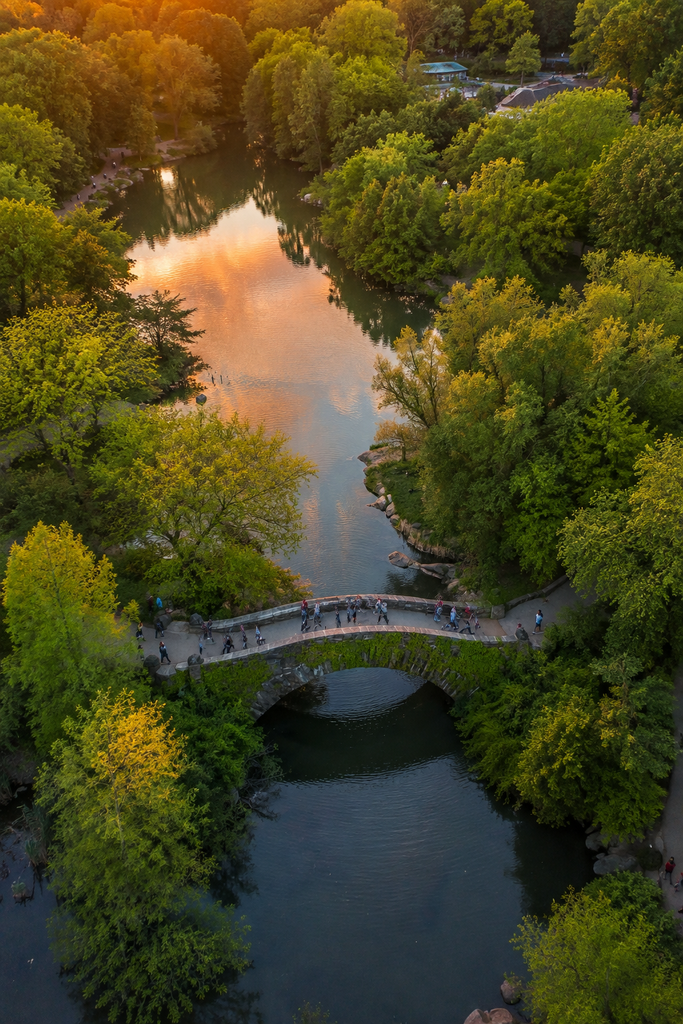
The low stone arch rises only slightly above the shoreline, while rugged Manhattan schist mirrors the rock outcrops surrounding The Pond.
From the water’s edge near the southeastern shoreline, it can be difficult to tell where the natural stone ends and the bridge begins.
That understated design sets it apart from the more decorative structures found elsewhere among Central Park bridges.
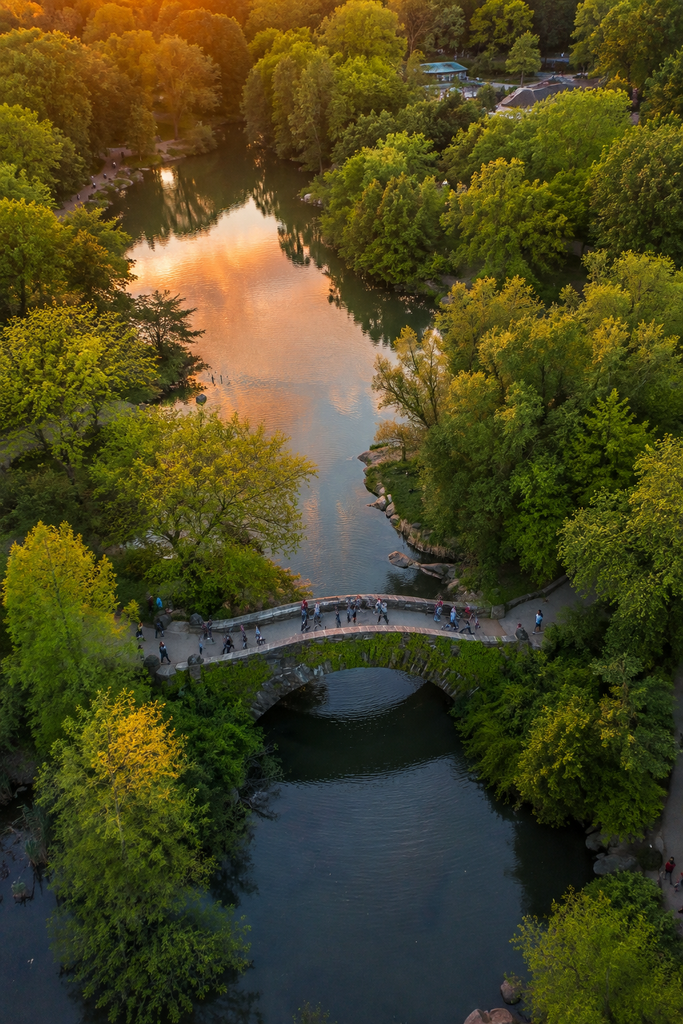
A Bridge Designed for Views From Every Angle: Paths circling The Pond offer a different perspective of the bridge every few minutes.
On calm early mornings, when the surface of the water is relatively undisturbed, the arch and surrounding trees often appear reflected beneath the bridge almost as clearly as above it.
The result is a structure that changes character depending on where you stand rather than presenting a single signature view.
Interesting Facts About Gapstow Bridge
- The current bridge dates to 1896 and replaced an earlier wooden structure.
- Its name comes from a former property that existed before Central Park was created.
- The bridge overlooks one of Central Park’s oldest water features.
- It has appeared in numerous films, television productions, and photographs.
- The stone design has remained a recognizable part of the park’s landscape for well over a century.
- Manhattan schist, the same type of rock visible around The Pond, was incorporated into the bridge’s rustic design.
- The bridge occupies a site near the southeastern corner of Central Park, close to Grand Army Plaza.
- Winter often reveals architectural details that are partially hidden by foliage during summer months.
- The arch was intentionally designed to complement the surrounding terrain rather than dominate it.
- Among the famous bridges in Central Park, it is one of the few where water, exposed rock formations, and mature trees interact within such a compact landscape setting.
What Makes Gapstow Bridge Worth Slowing Down For
🏛 Historic Character
Standing beside The Pond since 1896, this Central Park stone bridge represents more than a replacement for an earlier wooden crossing. Its survival through changing park landscapes, restoration efforts, and more than a century of New York City history makes it one of the enduring architectural features in Central Park’s southern section.
🌳 Seasonal Beauty
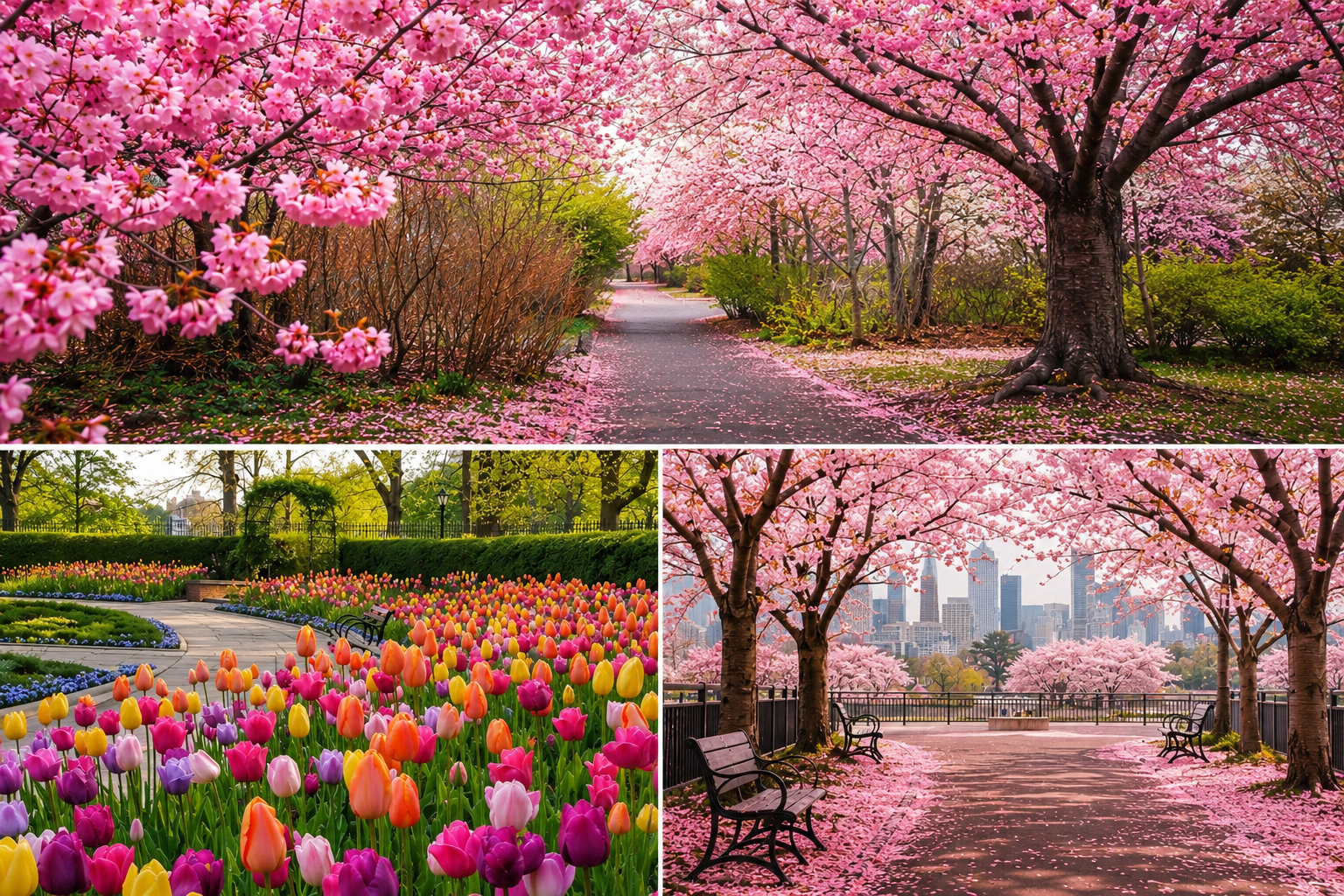
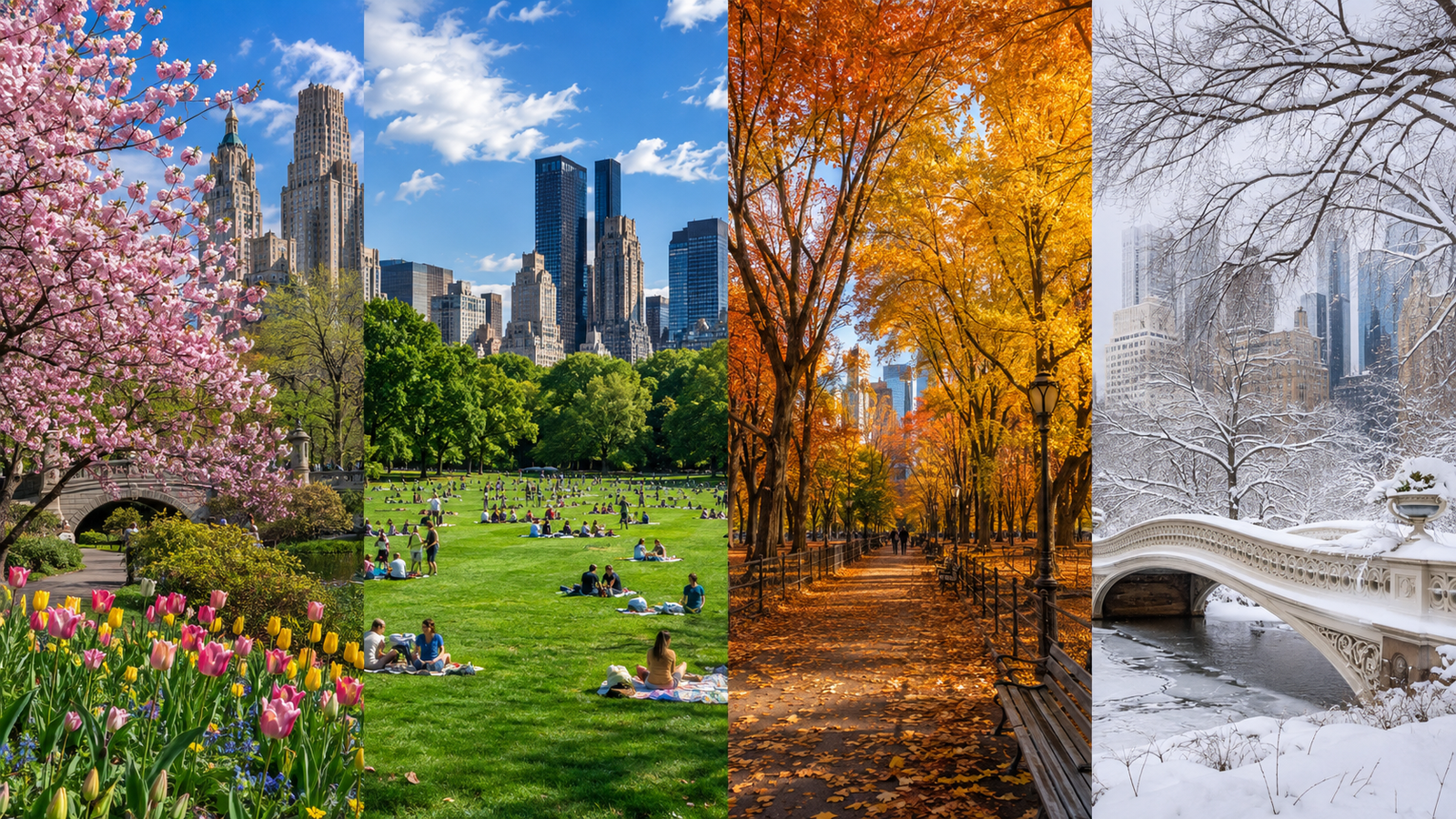
Few locations around The Pond change as noticeably with the seasons. Fresh green leaves frame the arch during April and May, dense summer foliage softens the stonework by July, and late October often brings golden and crimson colors to the surrounding shoreline. After a winter snowfall, the bridge’s rugged masonry becomes more prominent against bare branches and frost-covered rocks.
🌊 Pond Reflections
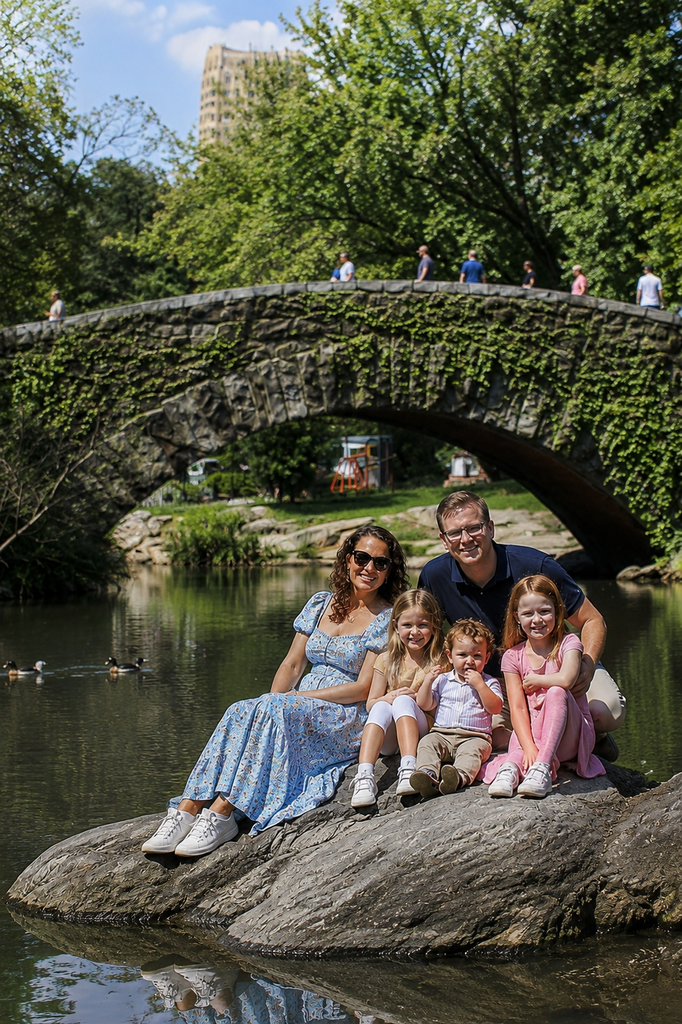
From the shoreline path east of The Pond, early morning light often creates some of the most interesting Gapstow Bridge views of the day. Gentle water movement reflects the arch, nearby trees, and exposed Manhattan schist outcrops, creating a scene that constantly shifts with changing light, weather conditions, and seasonal colors.
A Quick Gapstow Bridge Checklist for Visitors
✔ Observe the stonework from close range
✔ View the bridge from the shoreline path
✔ Notice seasonal changes in the surrounding trees
✔ Look for reflections in The Pond
✔ Compare the bridge’s design with other Central Park crossings
✔ Examine how the bridge’s Manhattan schist matches the exposed rock formations around The Pond
✔ Walk the path on both sides of Gapstow Bridge Central Park to see how the arch changes shape from different angles
✔ Visit shortly after sunrise when calmer water often produces clearer reflections beneath the bridge
✔ Look beneath the arch to notice how the structure sits naturally within the surrounding terrain
✔ Pause along the eastern shoreline to observe the relationship between the bridge, water, trees, and rocky landscape
✔ Compare the bridge’s rustic design with the more ornamental architecture found elsewhere in Manhattan
✔ Notice how seasonal light changes the appearance of the stonework between summer foliage and winter bare branches
Final Insights
Beside The Pond, Gapstow Bridge in Central Park still reflects the design approach that shaped much of the park during the nineteenth century. The stone arch sits low against the shoreline, allowing water, rock, and landscape to remain the focus rather than the structure itself. On quiet mornings, slight ripples beneath the arch can distort reflections of nearby trees, a reminder that the bridge was designed to work with its surroundings rather than stand apart from them.
That balance between architecture and landscape helps explain why Gapstow Bridge remains one of Central Park’s most enduring landmarks. Visitors interested in comparing it with other well-known crossings can continue exploring our guide to the most famous bridges in Central Park.