
Before You Go
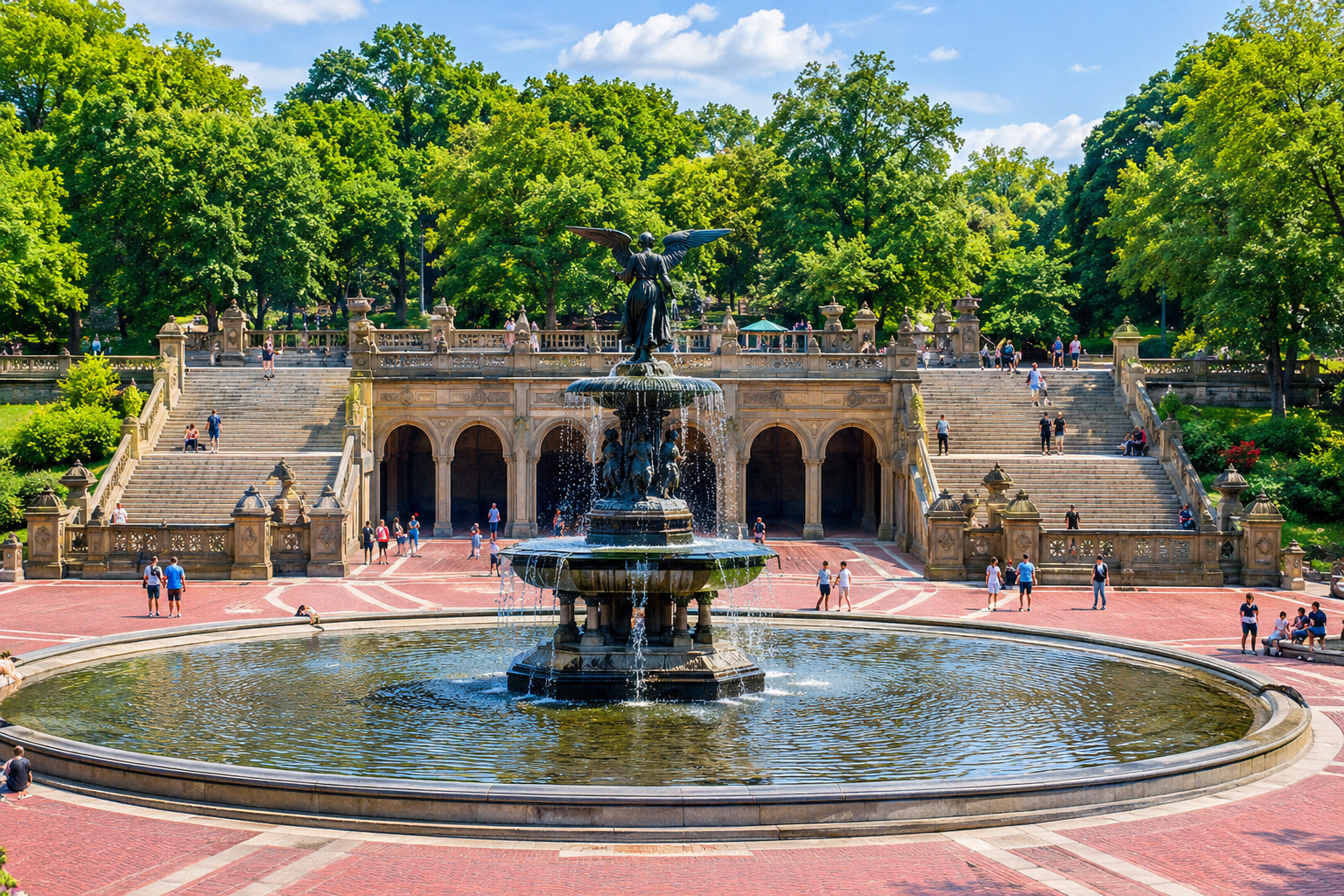
Central Park is famous for places like Bethesda Terrace, Bow Bridge, and the movie locations scattered throughout the park, but many visitors discover that some of its most memorable areas are the ones surrounded by trees, flowers, and quieter landscapes. Beyond the well-known attractions lies Central Park’s Gardens and Nature Beauty, a side of the park that feels very different from its busiest gathering spots.
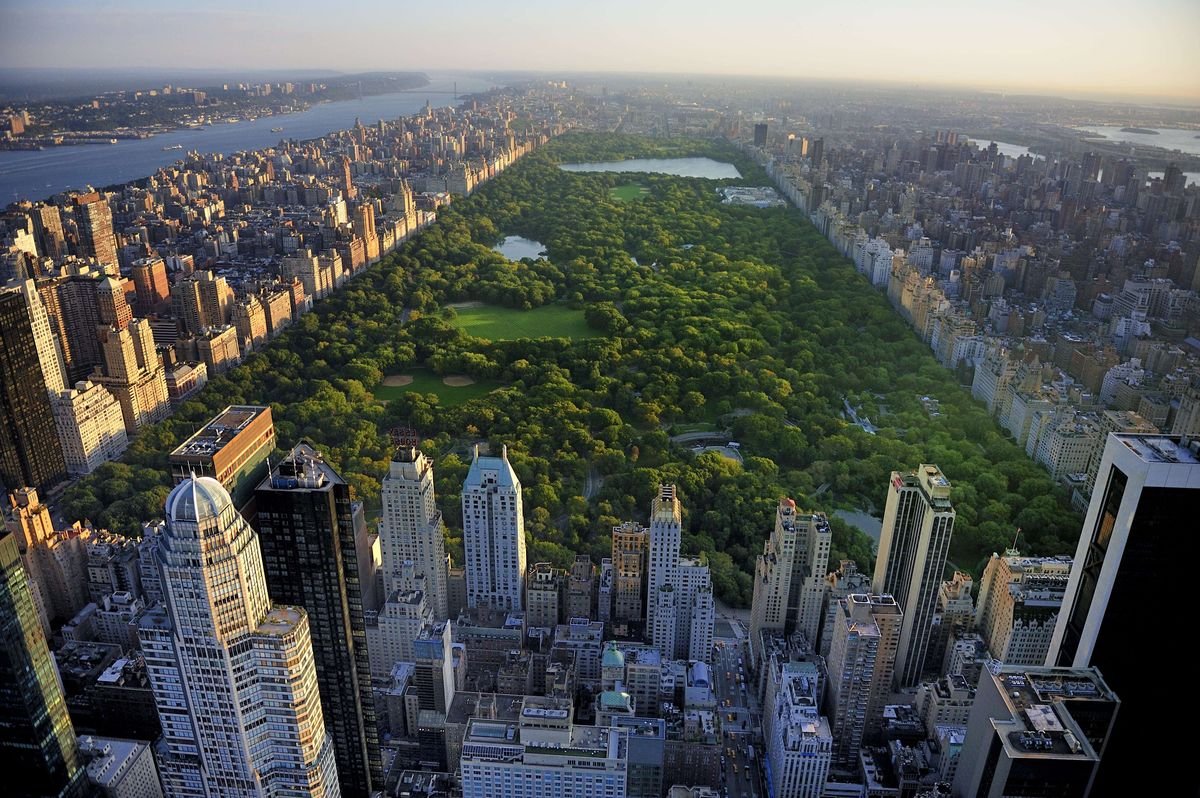
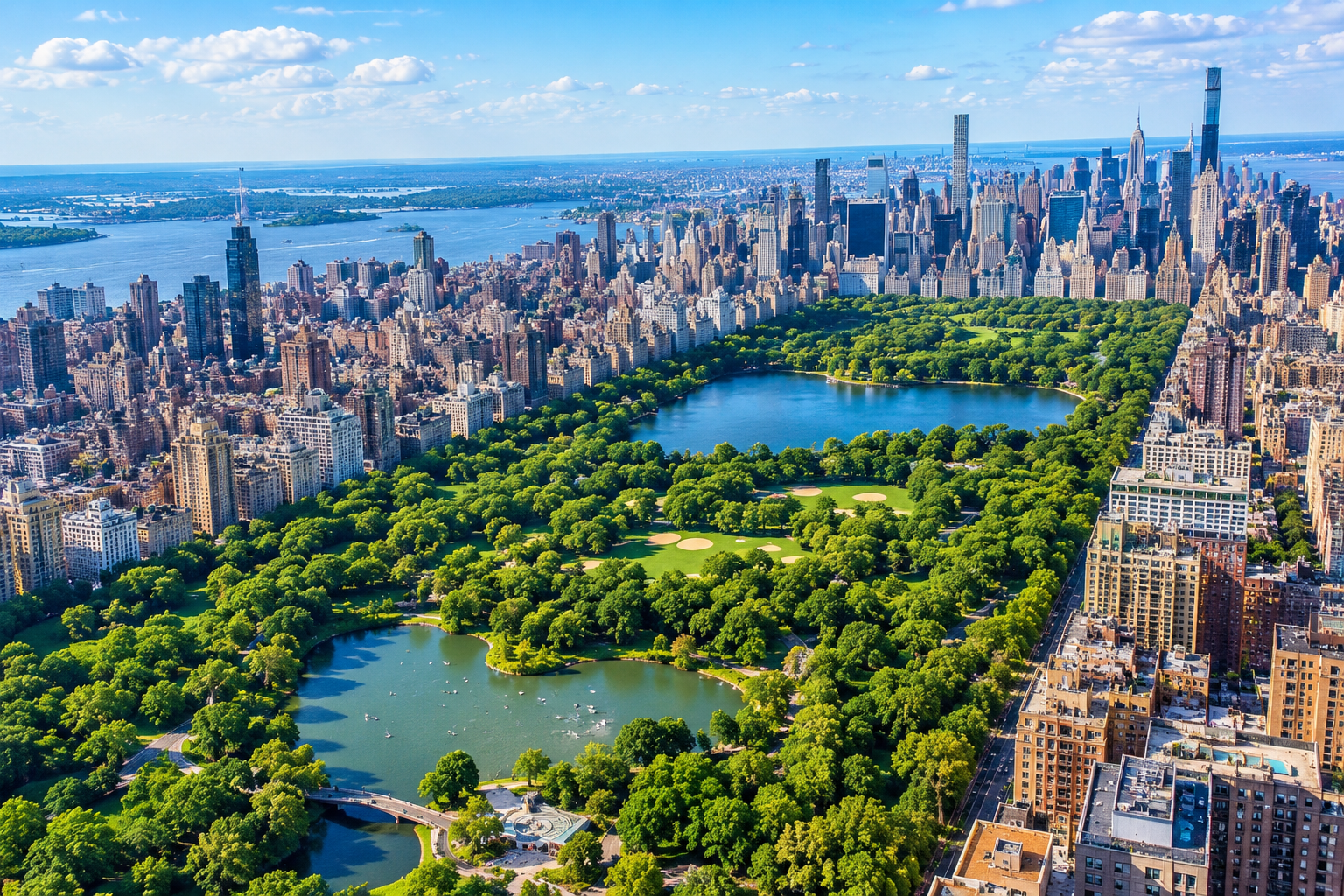
Spread across 843 acres, the park contains formal gardens, woodland trails, flowering trees, open meadows, and habitats that support birds and other wildlife.
Areas such as Conservatory Garden, The Ramble, and North Woods showcase some of the best gardens and nature spots in Central Park, offering a surprising sense of calm despite being surrounded by Manhattan.
🌸 Quick Tip: Visit Conservatory Garden in spring for colorful blooms, or explore The Ramble early in the morning for some of the best opportunities to enjoy nature and spot birds in Central Park.
The Central Park Conservancy highlights these natural environments as an important part of the park’s design and ecological value.
This guide explores where to find the park’s most beautiful gardens, seasonal blooms, hidden natural areas, and wildlife viewing opportunities.
Drawing on information from the Central Park Conservancy and the National Park Service, it also explains what makes each location special and when visitors are most likely to experience its natural beauty throughout the year.
🍃 Remember: Central Park’s natural areas are spread across the park. Comfortable walking shoes, a park map, and a little extra time can help you discover gardens, trails, and wildlife habitats that many visitors overlook.
Conservatory Garden: Central Park’s Most Formal Garden
Tucked away on the park’s eastern side, Conservatory Garden in Central Park offers a very different atmosphere from the busy paths and famous landmarks found elsewhere in Central Park. Its six acres sit along Fifth Avenue between East 104th and 106th Streets, with the main entrance at East 105th Street.
Step through the Vanderbilt Gate, and the setting shifts from city traffic to clipped hedges, flower beds, fountains, and tree-lined paths.
The Three Distinct Garden Sections
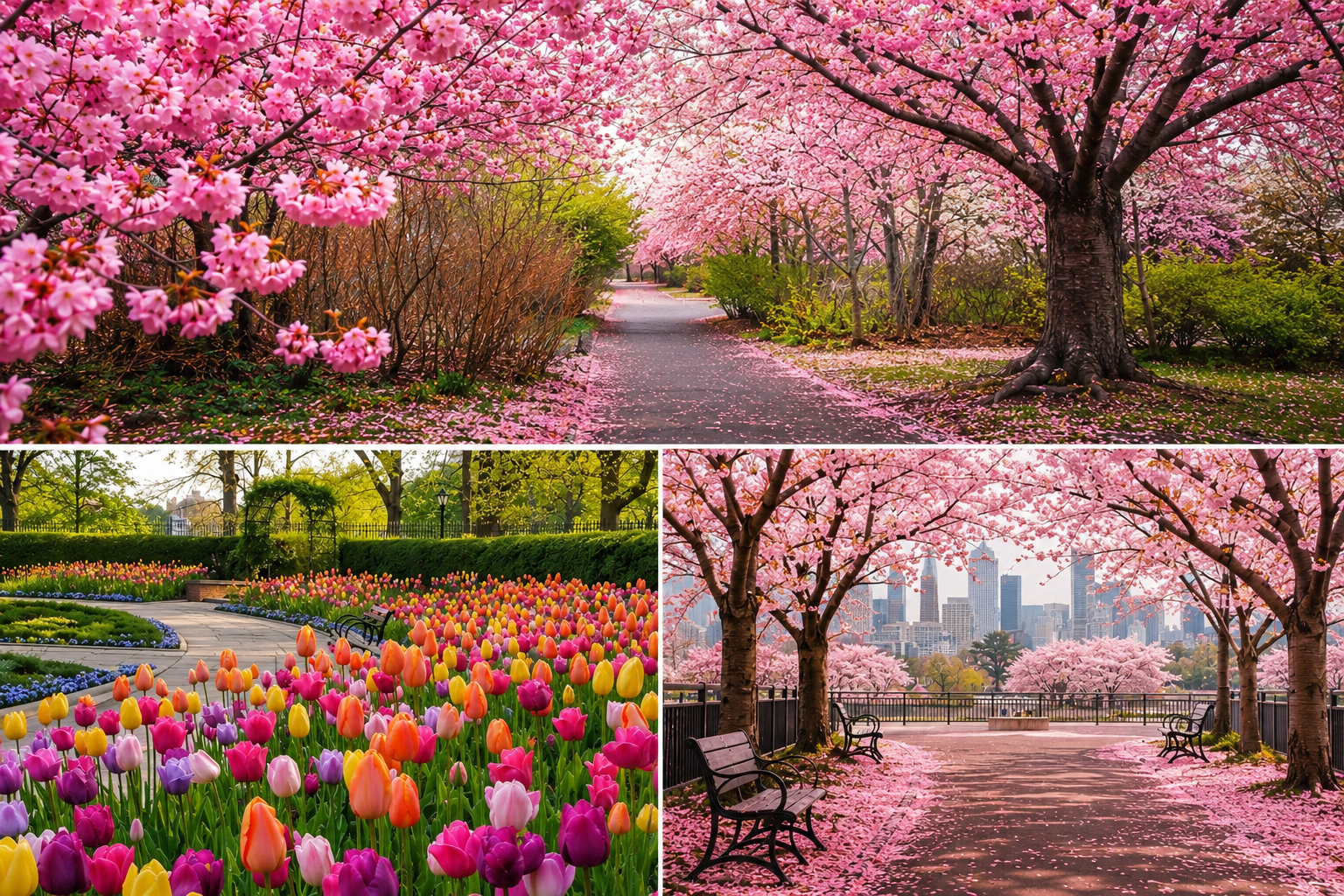
The garden becomes more interesting once you realize that it is not one uniform space. The French-style North Garden features the Untermyer Fountain and seasonal tulips display, while the Italianate Center Garden has a broad lawn, flowering crabapple trees, a fountain, and the wisteria pergola.
Farther south, the English-style garden feels more intimate, with mixed borders, perennial plantings, seasonal beds, and the Burnett Fountain beside a lily pool. For travelers exploring hidden places in Central Park, these three sections offer very different scenery within a relatively small area.
Highlights Worth Seeing in Every Season
➤ The garden looks quite different as the seasons change.
➤ Spring is especially colorful, with pink and white crabapple blossoms in the Center Garden.
➤ In fall, Korean chrysanthemums bring strong color around the Untermyer Fountain.
➤ The Conservancy describes floral displays as continuing from early spring through late October.
➤ These seasonal displays help make best gardens and nature spots in Central Park a useful stop for anyone who wants to see carefully maintained plantings rather than just open lawns.
Best Times to Visit for a Peaceful Experience
For a quieter visit, aim for the morning rather than the middle of the day. Conservatory Garden is open daily from 8:00 a.m. until dusk, so arriving around 8:00–10:00 a.m. gives you an early window before the day’s sightseeing traffic builds.
The difference is noticeable in the garden’s layout: early light reaches the flower beds and paths while the surrounding Fifth Avenue traffic stays mostly outside the gates. If spring flowers are your priority, an earlier start is particularly useful because the North Garden’s tulip displays can become a major seasonal draw.
Visitor Tips Before You Go
- Check the hours: Conservatory Garden is open daily from 8:00 a.m. until dusk, so check the closing time if you are planning a late-afternoon visit.
- Use the right entrance: The main entrance is through the Vanderbilt Gate at Fifth Avenue and East 105th Street. An accessible entrance is available near East 106th Street for visitors who need to avoid stairs.
- Allow enough time: Set aside about 30–45 minutes to walk through all three garden sections without rushing. During peak flower displays, you may want to stay longer.
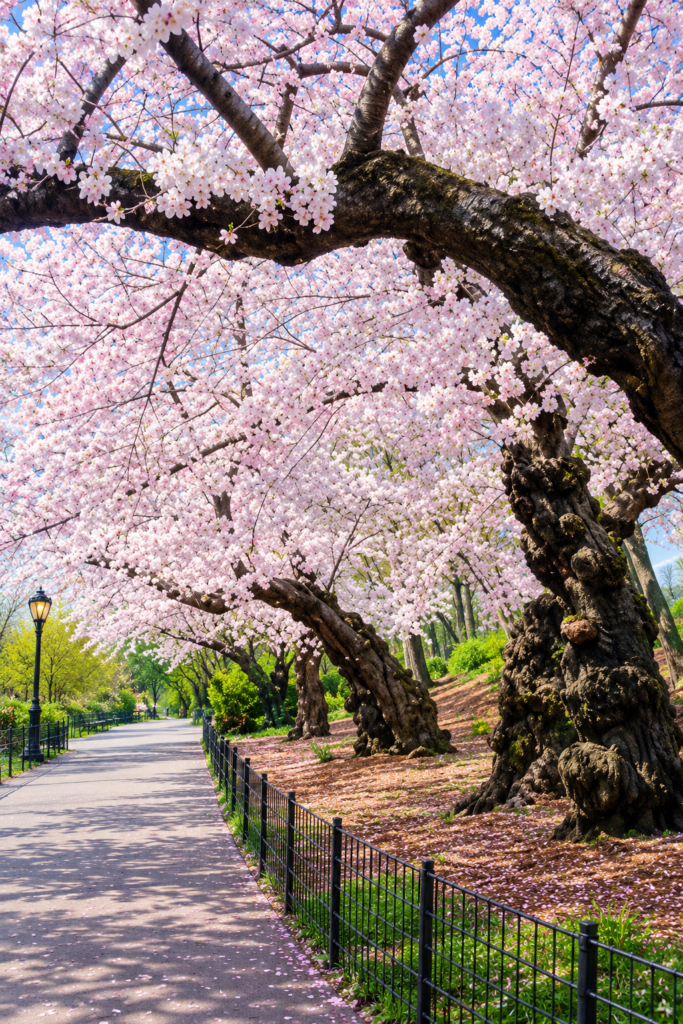
Vibrant Yoshino cherry blossom trees line a Central Park pathway
- Combine nearby nature spots: If you are already exploring the northern part of Central Park, you can continue toward Harlem Meer and the North Woods rather than making a separate trip back later.
- Slow down around the fountains: The flower beds and paths are worth exploring at an unhurried pace, particularly around the Untermyer Fountain, where the sound of moving water adds a quieter note to the garden.
- Plan for seasonal displays: Spring is a particularly good time to visit if you want to see the garden’s tulips and flowering trees, while fall brings colorful chrysanthemums and changing foliage.
Central Park’s Best Places for Nature Lovers
While many visitors head straight to the park’s famous attractions, some of Central Park’s most memorable experiences can be found in its quieter natural landscapes.
The Ramble
What Makes It Special
The Ramble feels more like a woodland preserve than a city park. Its winding trails and dense vegetation create a sense of exploration that is difficult to find elsewhere in Manhattan.
Natural Features
Rocky outcrops, shaded pathways, The Gill stream, rustic bridges, and habitat that supports wildlife in Central Park throughout the year.
Who Will Enjoy It Most
Birdwatchers, walkers, and Central Park for solo travelers seeking a quieter section of the park.
📍Don’t Miss: Follow the quieter side paths away from the main trail to experience some of the most peaceful woodland scenery in Central Park.
North Woods
What Makes It Special
North Woods offers the closest experience to hiking through a forest without leaving New York City. The landscape feels noticeably different from the park’s more developed southern sections.
Natural Features
The Ravine, the Loch, small waterfalls, wooded slopes, and excellent opportunities to observe birds and wildlife in Central Park.
Who Will Enjoy It Most
Nature enthusiasts, birdwatchers, and travelers looking for one of the least crowded areas of Central Park.
📍Don’t Miss: Spend a few minutes near The Loch, where flowing water and forested surroundings create one of the park’s most natural settings.
Hallett Nature Sanctuary
What Makes It Special
This protected sanctuary remains one of the park’s lesser-known natural spaces despite its location near Grand Army Plaza and The Pond.
Natural Features
Native plants, woodland trails, rocky terrain, and habitat restoration areas that support local wildlife.
Who Will Enjoy It Most
Travelers seeking a peaceful escape, nature observers, and anyone interested in best places for nature lovers in Central Park.
📍Don’t Miss: Slow down and look carefully along the trails—many visitors overlook the native plants and wildlife that make this sanctuary unique.
Conservatory Garden
What Makes It Special
Unlike Central Park’s woodland areas, Conservatory Garden focuses on formal landscaping and carefully maintained floral displays.
Natural Features
French, Italian, and English-style gardens, fountains, flowering trees, and some of the best flowers to see in Central Park.
Who Will Enjoy It Most
Garden enthusiasts, couples, and travelers building a Central Park half day itinerary.
📍Don’t Miss: Visit all three garden sections to experience the distinct French, Italian, and English-inspired landscapes.
Shakespeare Garden
What Makes It Special
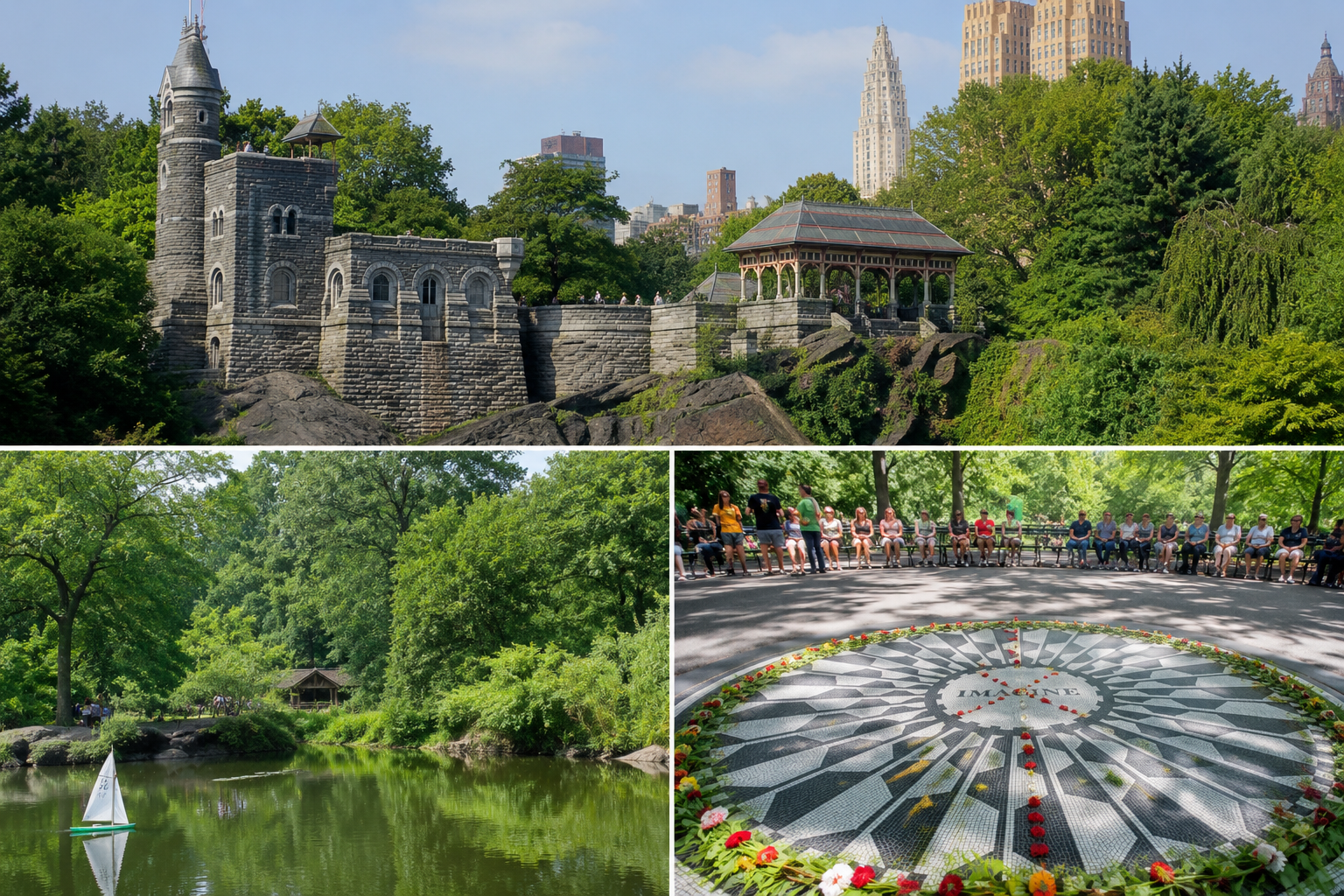
Located below Belvedere Castle, Shakespeare Garden combines literary history with seasonal plant displays in a hillside setting.
Natural Features
Flowering plants mentioned in Shakespeare’s works, stone pathways, rustic landscaping, and colorful seasonal flowers in Central Park.
Who Will Enjoy It Most
Families, casual walkers, and those interested in visiting Central Park with kids while exploring beyond the park’s major attractions.
📍Don’t Miss: Take time to read the plant markers and signs that connect many of the flowers to Shakespeare’s works.
Cherry Blossoms and Spring Color Across Central Park
As winter fades from New York City, bursts of pink and white blossoms begin transforming parts of Central Park into some of the most photographed scenes of the year.
The Best Cherry Blossom Locations
Cherry Hill near Bow Bridge is one of the park’s best-known blossom locations, where cherry trees frame views of The Lake and nearby pathways.
East 72nd Street also becomes covered with soft pink Yoshino cherry blossoms each spring.
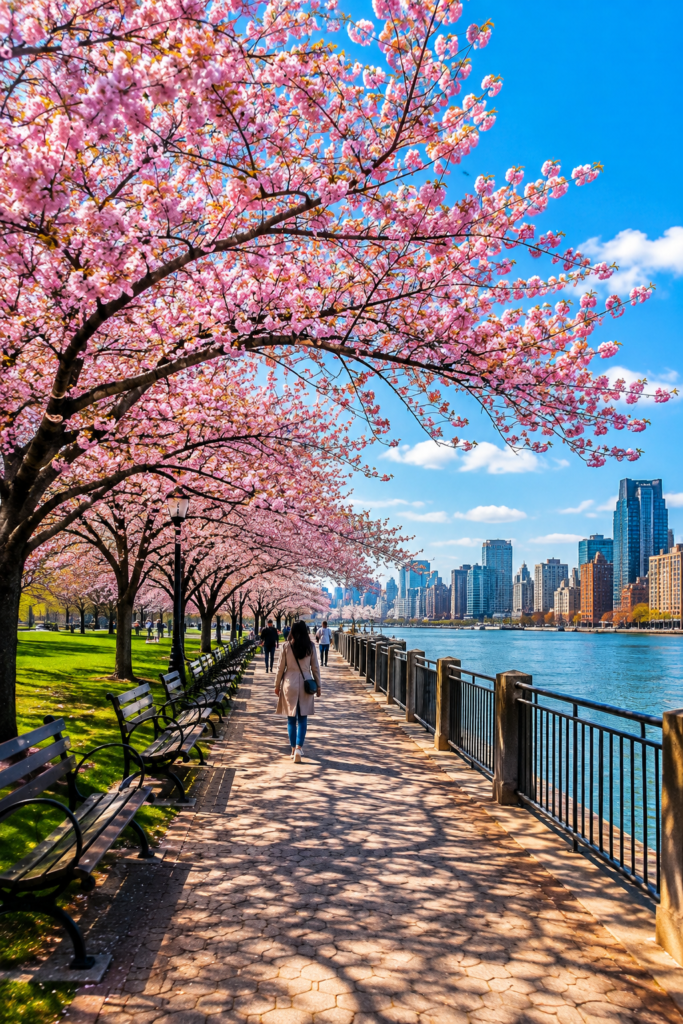
Conservatory Garden also deserves attention, especially around its flowering crabapple and cherry trees, while the area near the Reservoir’s east side offers additional opportunities to enjoy some of the cherry blossom spots in Central Park without staying in a single location.
When Blossoms Typically Reach Peak Bloom
Spring flowers do not all appear at the same time. Yoshino cherry trees often reach peak bloom between late March and early April, while Kwanzan cherry trees usually follow during the second half of April.
Compared with summer flowers, bloom timing depends heavily on weather conditions during late winter and early spring.
Other Spring Flowers Worth Looking For
Cherry blossoms receive most of the attention, but they are only part of the spring display.
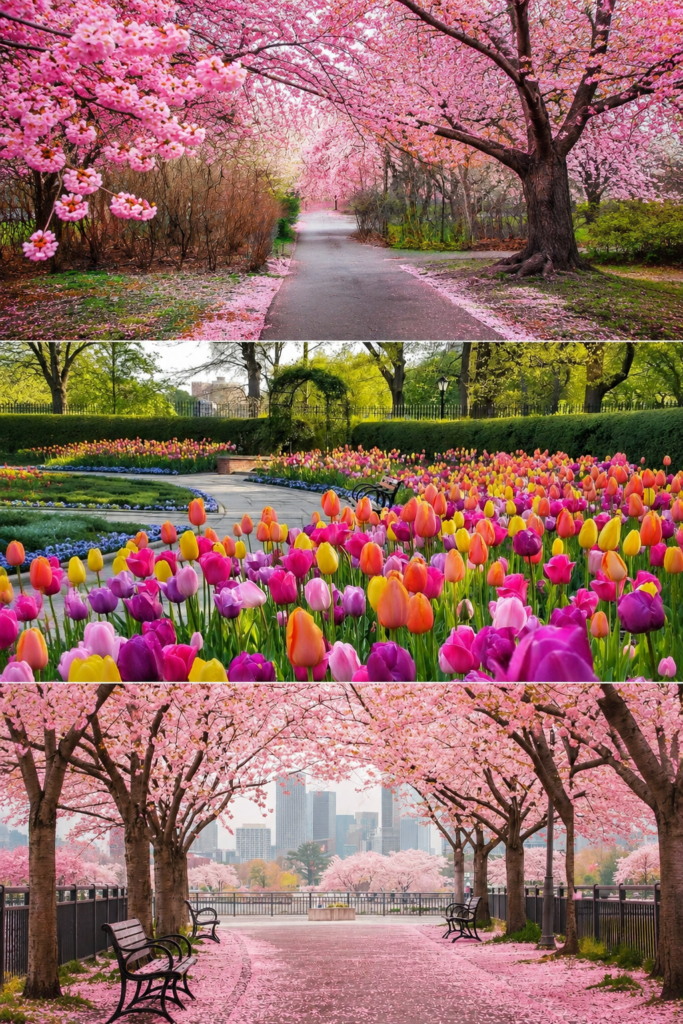
Conservatory Garden fills with tulips in April, while daffodils brighten large sections of the park, including areas near Cedar Hill and the East Meadow.
For travelers seeking free things to do in Central Park, simply following the progression of spring flowers between different sections of the park can become an enjoyable activity without requiring tickets or reservations.
How Spring Changes the Park’s Landscape
A few weeks can completely change the appearance of Central Park.
Bare branches gradually give way to fresh green leaves, flower beds become more colorful, and woodland paths begin to feel brighter as sunlight filters through newly emerging foliage.
Around The Ramble and other natural areas in Central Park, the sounds of returning birds become more noticeable during morning walks, adding a different atmosphere from the quieter winter months.
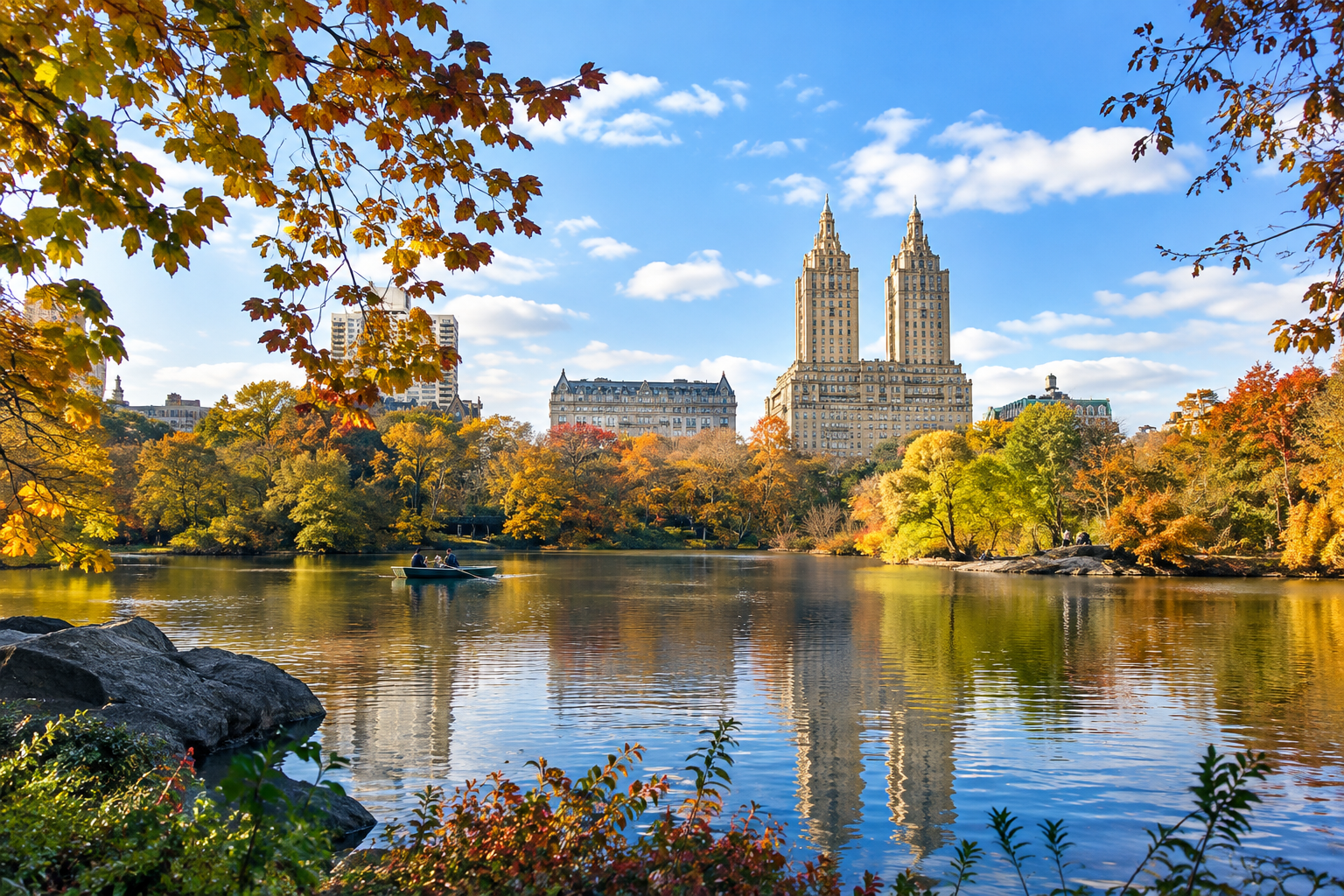
If your itinerary includes the most beautiful lakes and ponds in Central Park, spring often brings reflections of blossoms and fresh greenery that are difficult to see during any other season.
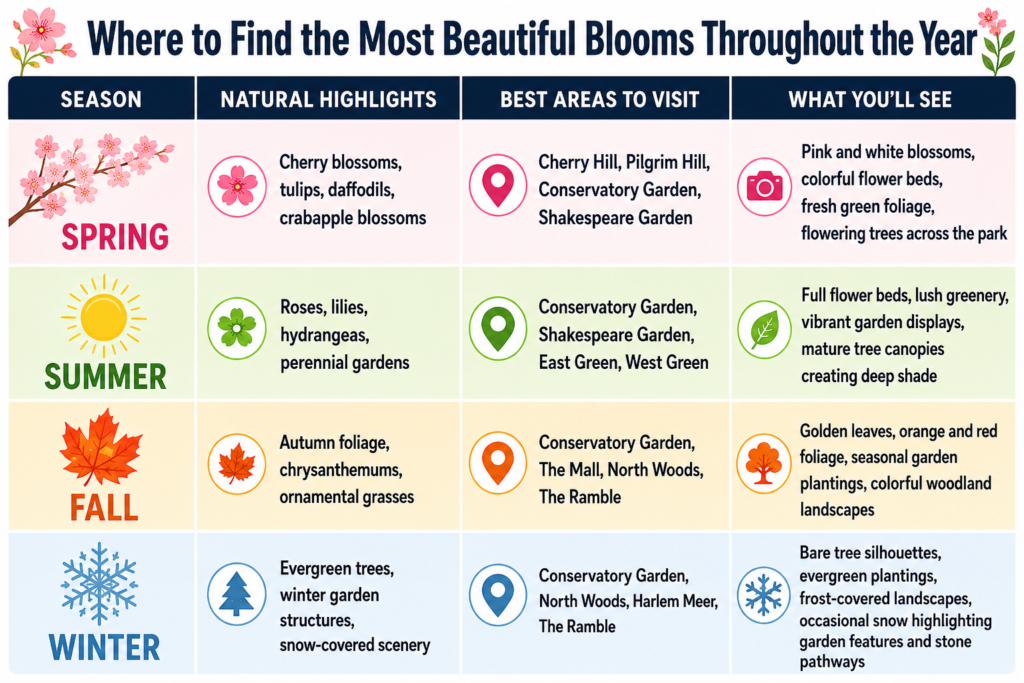
Where to Find the Most Beautiful Blooms Throughout the Year
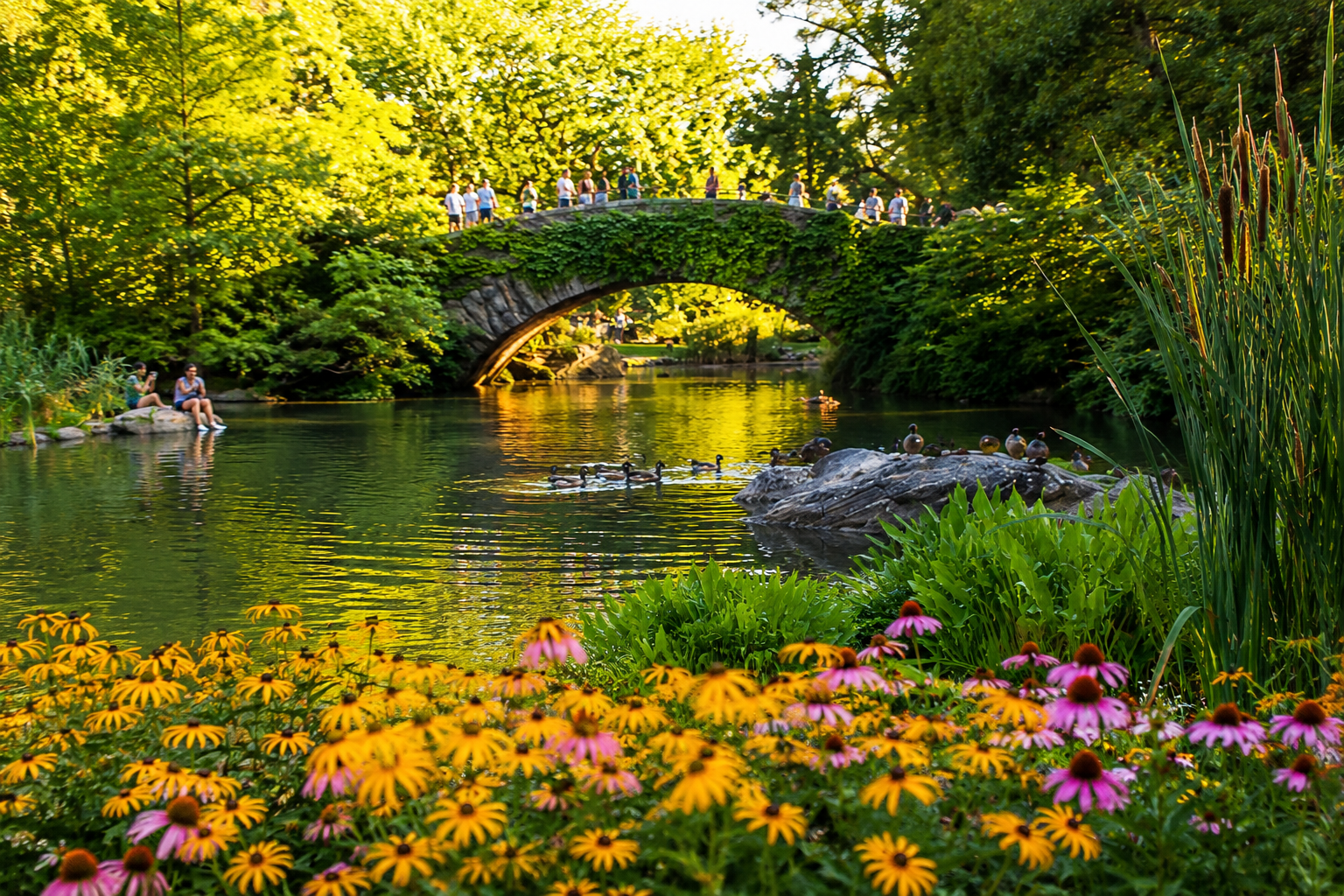
One of the reasons Central Park never feels exactly the same twice is that its flowers, trees, and gardens change dramatically from season to season.


One Response