
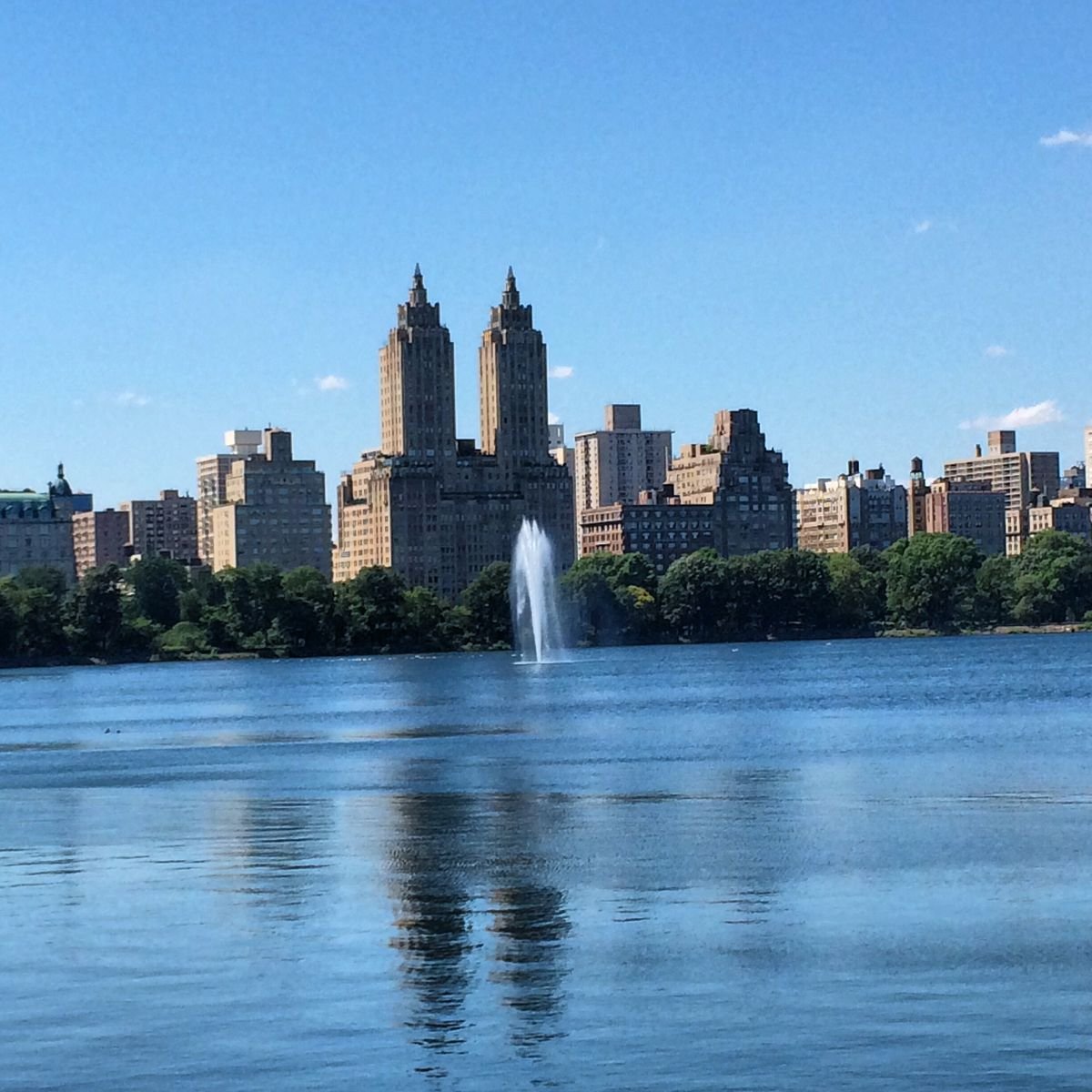
Why Central Park Is Famous for New York City’s Best Photography Locations

Natural Landscapes and City Skyline in One Park
A quiet pond, dense trees, and tall Manhattan buildings can appear in the same frame. Few urban parks offer that contrast as naturally as Central Park.
Near Gapstow Bridge and the Pond in the park’s southeastern corner, glass-covered Midtown skyscrapers rise beyond tree-lined water views.
The sight of sunlight reflecting off those buildings while greenery fills the foreground helps make Central Park one of the best Central Park photography locations.
Historic Architecture, Bridges, and Scenic Viewpoints
Stone bridges such as Bow Bridge, the carved arches beneath Bethesda Terrace, and landmarks like Belvedere Castle add character beyond simple nature scenes.
The weathered stone walls and turrets of Belvedere Castle often produce more distinctive photographs than modern backgrounds, adding texture and a historic feel to the frame.
Why Visitors Bring Cameras to Central Park Year-Round
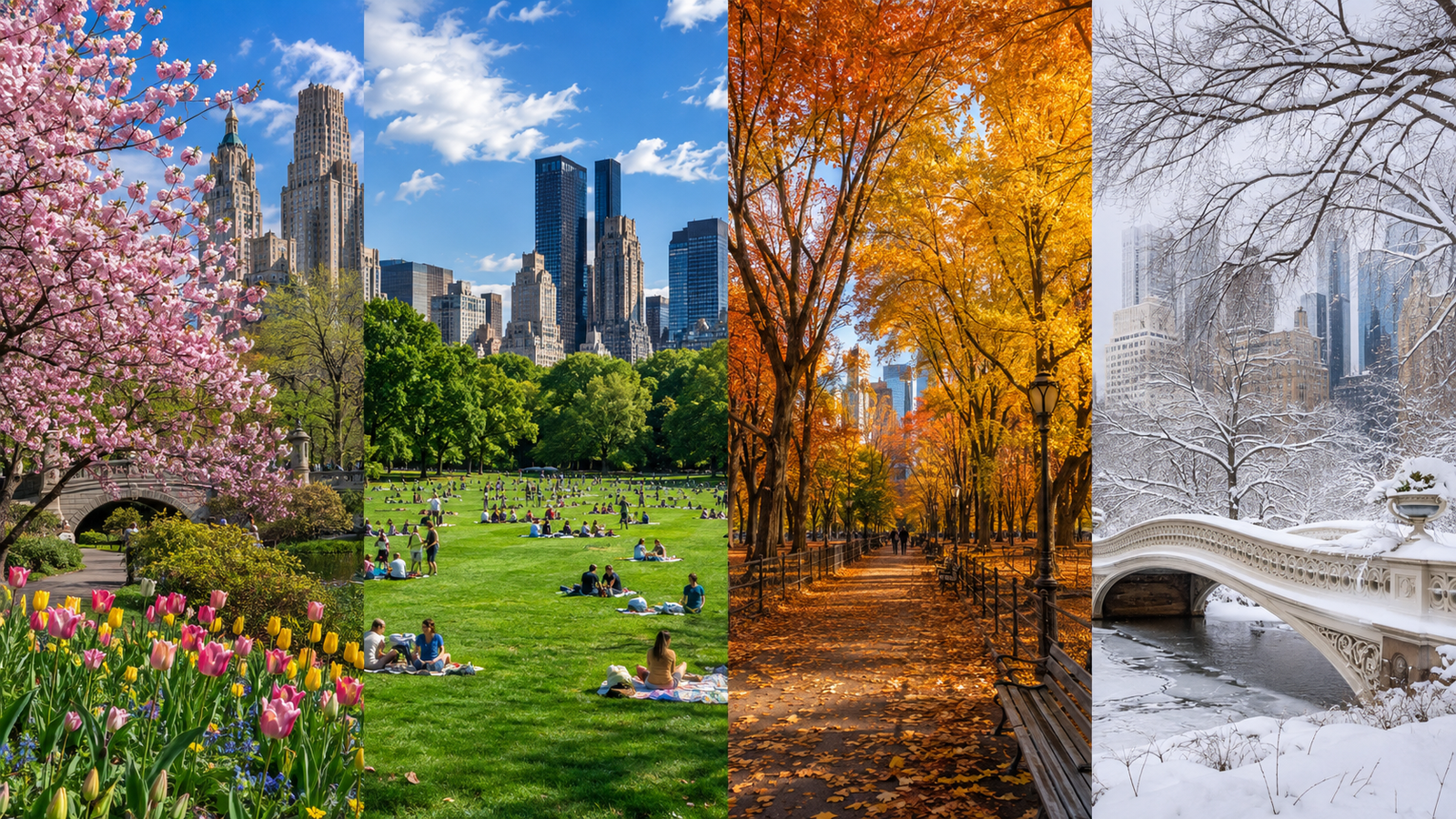
Spring blossoms in Conservatory Garden, summer greenery around the Mall, autumn colors near the Jacqueline Kennedy Onassis Reservoir, and winter snow across Sheep Meadow each give Central Park a different look. The same location rarely appears identical twice throughout the year.
Even a light breeze moving through tree branches along the Mall or the soft sound of water near Conservatory Water can completely change the feeling of a photograph.
Planning where to stop for photos becomes easier when you already know the park layout. The what to know before visiting central park guide explains key areas, entrances, and navigation tips that can help organize a smoother photography-focused visit.
The Lake

The Lake sits near the heart of Central Park and offers a different atmosphere from open lawns or busy pathways. Curving shorelines, wooded edges, and calm water create layered scenes that feel far removed from Midtown Manhattan.
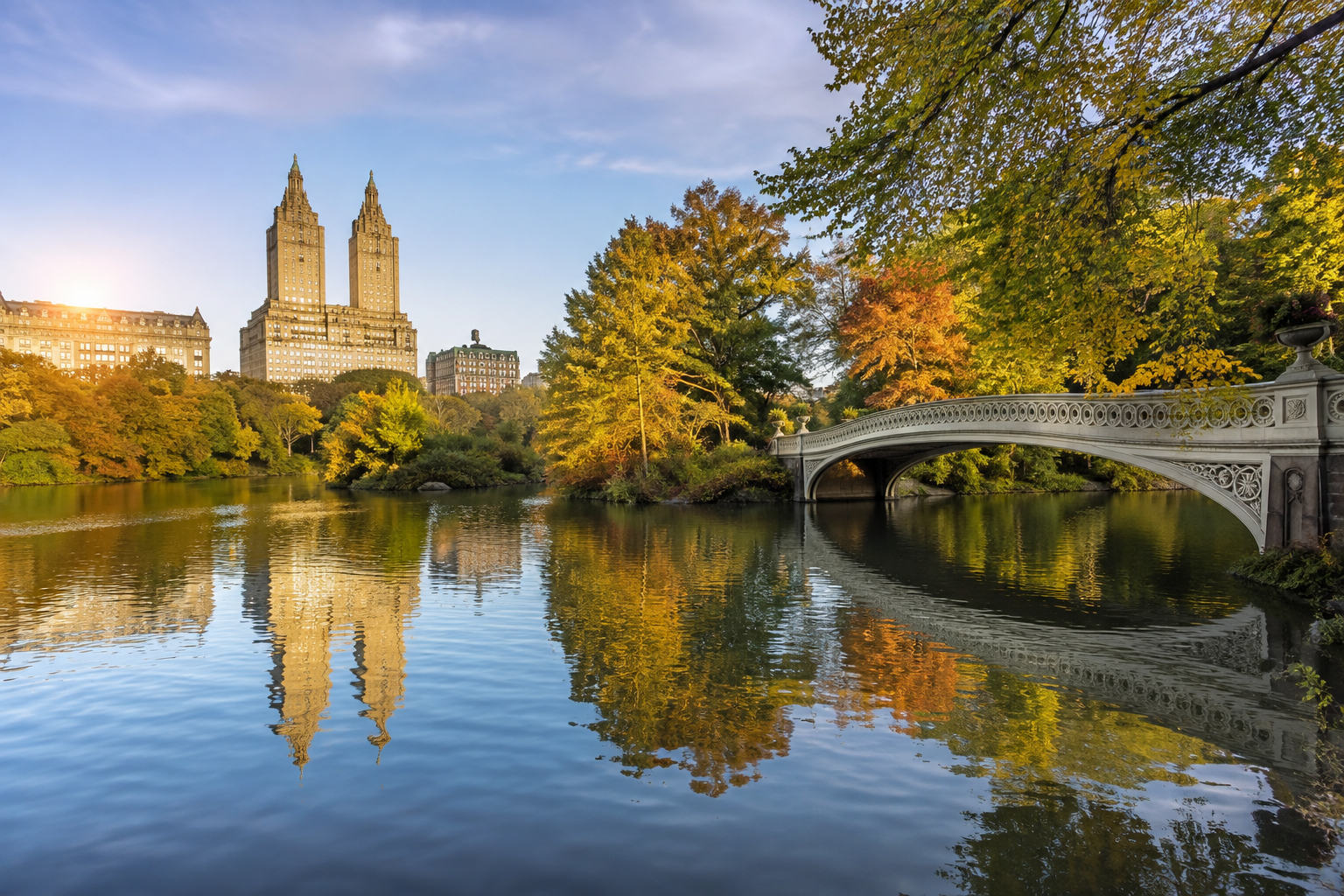
One of the strongest photo opportunities appears along the western shoreline between Bow Bridge and Cherry Hill. From this angle, the bridge rises above the water while trees soften the background.
On still mornings, reflections often remain visible across the surface, adding extra depth without requiring special camera equipment. The faint sound of rowboat oars cutting through the water adds a subtle detail that many photographs cannot capture.
The rowboats themselves help bring movement into a frame. Rather than focusing only on the water, position Bow Bridge or the shoreline near Cherry Hill behind passing boats for a more balanced composition.
This area consistently ranks among the iconic photo spots in Central Park NYC because it combines nature, architecture, and activity within a relatively small space.
Walking between Cherry Hill and the paths leading toward Bethesda Terrace reveals completely different perspectives of The Lake. Some viewpoints open onto wide stretches of water, while others frame the scene through overhanging branches and exposed Manhattan schist along the shoreline.
A short walk can change the entire look of a photograph. That variety makes this location useful for visitors seeking several distinct images without covering a large distance across the park.
Photographs are only one part of planning a successful visit. If your schedule is flexible, learning the best weekday to visit Central Park can help you enjoy quieter pathways and less crowded viewpoints throughout the park.
Gapstow Bridge

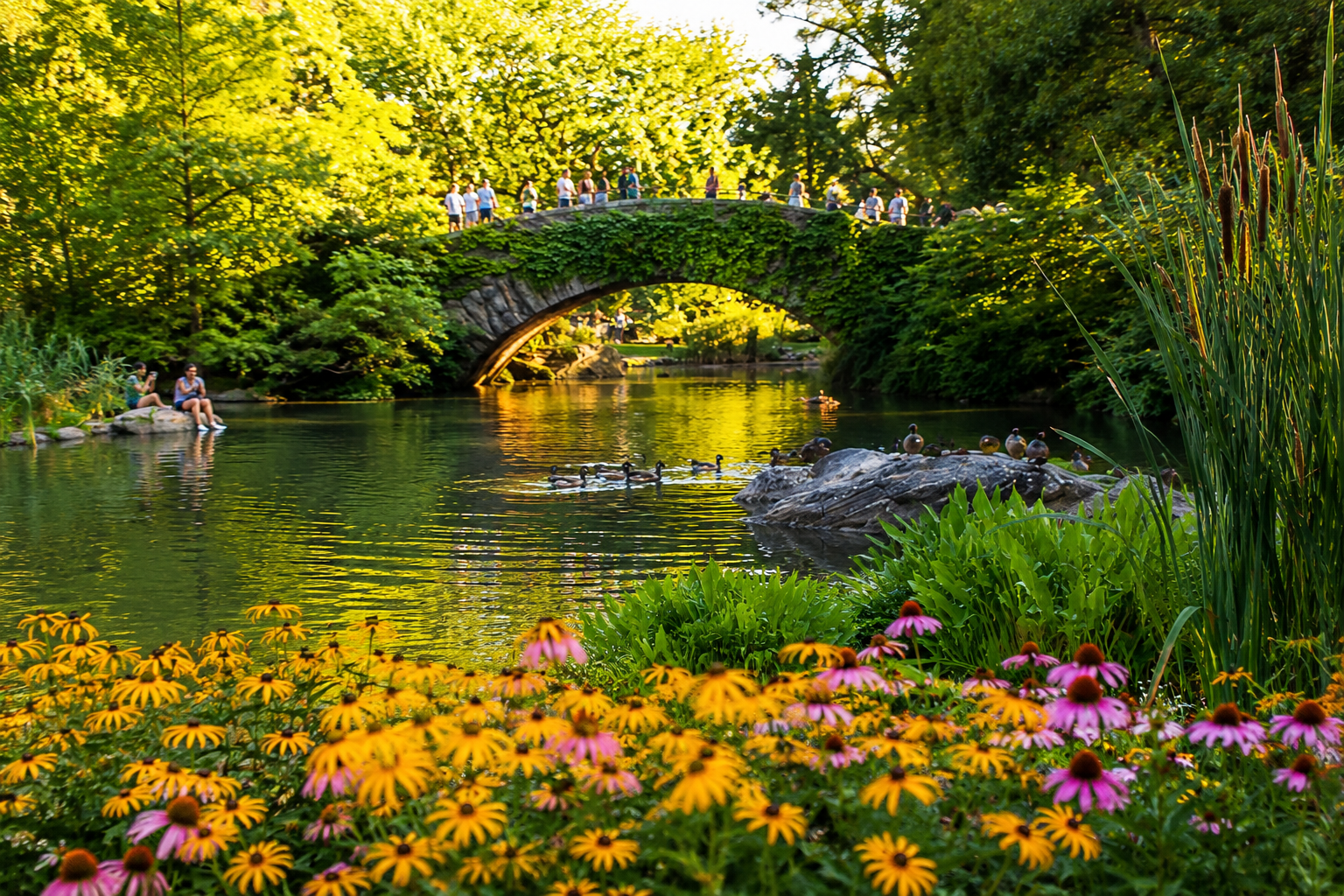
Near the southeastern corner of Central Park, Gapstow Bridge delivers one of the park’s most recognizable scenes. The stone bridge arches gently above the Pond while modern skyscrapers rise in the background. Few locations blend nature and the Manhattan skyline so cleanly in a single frame.
A particularly strong angle comes from the shoreline east of Gapstow Bridge near the Pond’s edge facing Plaza Hotel and the Midtown skyline.
This position allows the bridge, water, trees, and surrounding buildings to appear together. That balance is one reason it remains among the best places to take pictures in Central Park.
The Pond adds another layer to the composition. On calm days, reflections of nearby Midtown towers and overhanging branches from the Pond’s shoreline spread across the water’s surface.
Even a slight ripple can create interesting patterns. The soft sound of ducks moving through the water often makes the area feel quieter than its location near busy city streets would suggest.
For a first visit, Gapstow Bridge offers immediate photographic rewards without requiring a long walk into the park. The location sits just inside the Central Park South entrance near Fifth Avenue and Grand Army Plaza, making it one of the easiest photo spots to reach.
Better still, the scene changes depending on where you stand—beside the water, on the bridge, or along the paths leading toward Wollman Rink—so several distinct photographs can come from a relatively small area.
A successful visit is not only about finding great photo locations. Understanding how to avoid mistakes in Central Park can help prevent common planning issues, missed landmarks, and unnecessary backtracking while exploring the park.
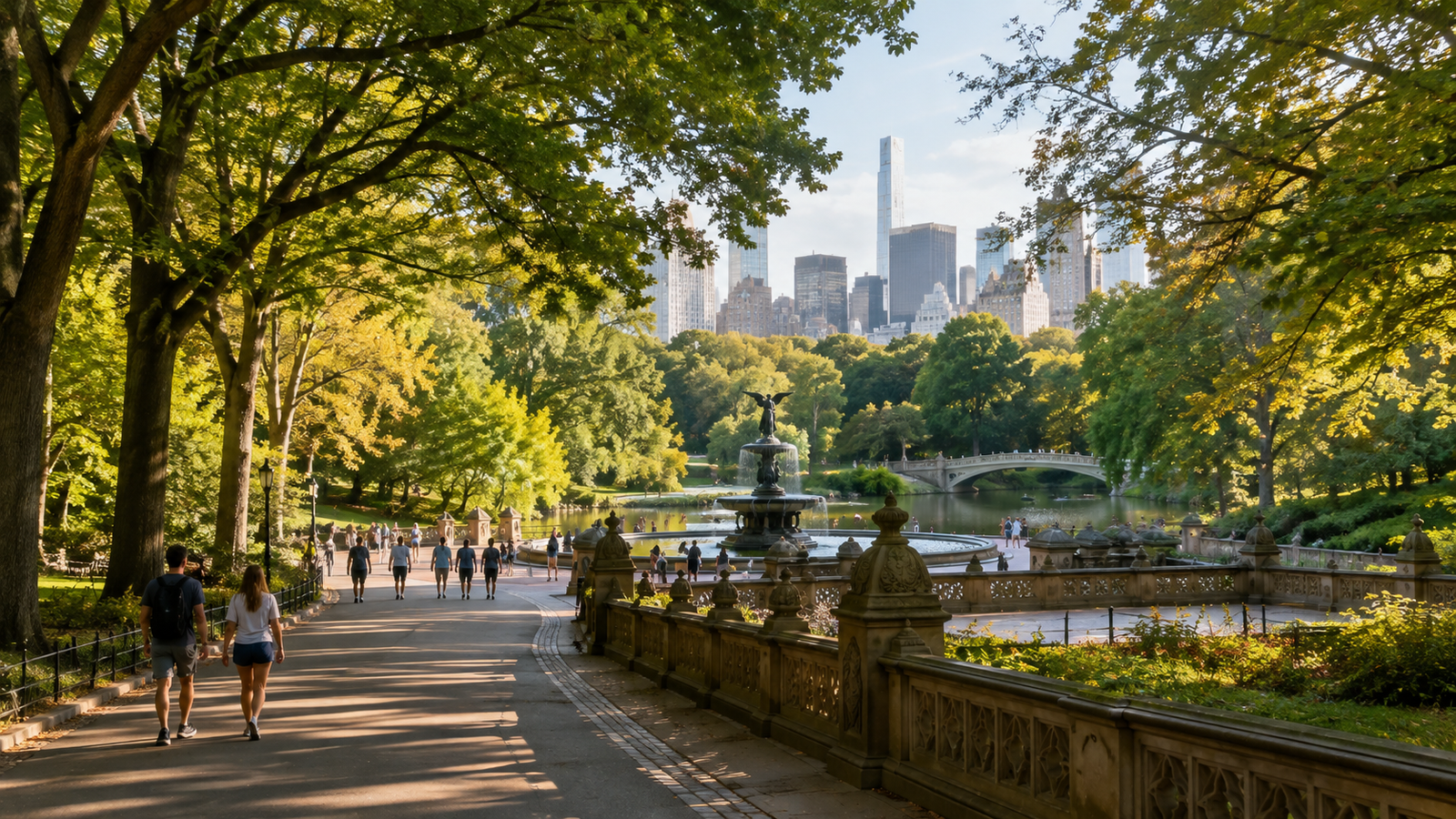
Bethesda Terrace and Fountain

Some Central Park locations require careful framing to create a memorable photograph. Bethesda Terrace is not one of them. The combination of the famous fountain, broad staircases, carved stonework, and surrounding landscape creates strong compositions from almost every direction.
The Angel of the Waters statue stands at the center of the fountain and naturally draws attention in photographs. A particularly effective viewpoint comes from the upper terrace steps overlooking Bethesda Fountain and the Mall to the south.
From here, the fountain becomes the focal point while the tree-lined promenade beyond adds depth to the scene. It is easy to understand why this remains one of the most instagrammable places in Central Park.
Beneath the terrace, the atmosphere changes completely. Decorative sandstone ceilings, detailed carvings, and patterned tile work create a more intimate setting.
The ceiling of the arcade is especially noteworthy because it contains one of the few tiled ceilings in the world designed by Jacob Wrey Mould.
The soft echo of footsteps beneath the arches adds a distinctive character that photographs alone cannot fully capture.
For wider images, move toward the eastern side of Bethesda Fountain near the pathway leading toward Conservatory Water rather than standing directly in front of the statue.
This angle includes portions of the terrace architecture while keeping the fountain prominent. A few steps can make a noticeable difference here. The result often feels more balanced and less crowded than a straight-on shot.
Bethesda Terrace is often included when exploring the most romantic places in Central Park, thanks to its elegant architecture, fountain views, and picturesque surroundings. If scenic settings interest you, that guide highlights several other locations worth adding to your itinerary.
Conservatory Water

An interesting fact about Conservatory Water is that this small pond inspired scenes in children’s literature and has been a gathering place for model sailboat enthusiasts for generations. Unlike dramatic bridges or grand terraces, its appeal comes from simplicity. That difference helps it stand out among other Central Park photo spots for visitors.
The pond creates clean, uncluttered compositions that are often difficult to find elsewhere in Manhattan. Water fills the foreground while rows of trees frame the edges.
On calm days, the surface mirrors the surrounding greenery with surprising clarity. The gentle sound of wind nudging small boats across the water adds a peaceful element to the setting.
Then there are the sailboats. Bright colors, miniature sails, and changing positions bring life into photographs without overwhelming the scene.
Standing near the southern edge of the pond beside the Kerbs Memorial Boathouse often provides one of the widest views of the boats crossing open water.
For anyone researching where to take photos in Central Park, this location offers something noticeably different from the park’s larger landmarks.
The area also works well for family photographs. Benches surround portions of the pond, pathways remain easy to access, and the nearby Alice in Wonderland statue provides an additional backdrop within a short walk.
A single stop can produce landscape images, candid moments, and detailed shots of the boats without requiring long walks between photo opportunities.
Families planning a full day in the park may also want to explore the best places to visit in Central Park with kids. Several nearby attractions pair naturally with Conservatory Water and can help create a more balanced family itinerary.
Bow Bridge

The first glimpse of Bow Bridge is often enough to explain its reputation. The graceful cast-iron arch stretches across the western side of the Lake, connecting two of Central Park’s most scenic areas. Unlike the rugged stone appearance of nearby bridges, Bow Bridge stands out with elegant curves and decorative details that photograph well from both near and far.
A particularly strong composition comes from the shoreline just north of Cherry Hill near the Ladies Pavilion. From this position, the bridge rises above the water while surrounding trees frame the scene naturally.
That combination helps make it one of the best viewpoints in Central Park for photography without requiring a long search for the right angle.
Reflections play a major role here. On calm mornings, the bridge, nearby foliage, and sections of the shoreline can appear almost mirrored across the Lake’s surface toward the Bethesda Terrace side of the water.
Small ripples from passing rowboats occasionally break the reflection, creating texture rather than ruining the image. The soft splash of oars against the water adds a subtle detail to the setting.
Bow Bridge appears in countless travel photographs because it captures several classic Central Park elements in one frame. Historic design, water views, wooded surroundings, and seasonal colors all come together here.
A few steps in either direction can completely change the composition, making the bridge useful for visitors seeking multiple photographs from a single location.
If your photography route includes quieter corners of the park, it may also be worth exploring areas featured in guides about the best places to visit alone in Central Park. Several nearby paths offer a slower pace and different scenery, creating opportunities for photographs beyond the park’s most recognizable landmarks.
The Mall and Literary Walk

For stronger photographs along the Mall, avoid standing in the center of the pathway the entire time. Move slightly toward the edges beneath the American elm canopy. This simple adjustment allows the rows of trees to create natural leading lines that draw attention through the frame rather than flattening the scene.
Stretching south from Bethesda Terrace toward Literary Walk, this broad promenade offers one of the most symmetrical compositions in the park. The arching branches overhead form a tunnel-like effect that changes throughout the year.
It is easy to see why this remains one of the Central Park photo locations for tourists seeking classic park imagery without complicated camera setups.
The same walkway transforms dramatically with the seasons. Fresh green leaves create a bright canopy in spring and summer, while autumn turns the corridor into a ribbon of gold and orange.
Even winter has its own appeal when bare branches reveal more of the pathway’s structure. The gentle rustle of leaves overhead often becomes part of the experience long before a photograph is taken.
Literary Walk adds another layer to the setting. Statues of celebrated figures including William Shakespeare, Sir Walter Scott, and Robert Burns stand along the southern section of the promenade, creating opportunities for both portrait-style and wide-angle images.
Positioning a statue in the foreground while the tree-lined path extends behind it often produces a more distinctive composition than photographing the monument alone.
The Mall is only one example of how much can be seen without spending heavily during a park visit. Visitors looking to extend their day may also find useful ideas in guides covering Central Park activities on a budget, especially when planning a longer itinerary through multiple park areas.
Belvedere Castle
Unlike many photo locations that depend on a single viewpoint, Belvedere Castle rewards a little movement. Walking around the terraces and pathways surrounding the castle reveals completely different compositions within a short distance.
The gray Manhattan schist stone, turreted design, and elevated position make it stand apart from almost everything else in Central Park.
One of the strongest exterior photographs comes from the pathway near Turtle Pond, where the castle rises above trees and rocky outcrops rather than appearing isolated against the sky. Early morning often works best here.
The softer light highlights the stone texture while avoiding the harsher shadows that can develop later in the day. This setting helps place Belvedere among the best photography spots in Central Park for visitors interested in architecture.
The views from the castle area are equally impressive. Looking north, the Great Lawn spreads across the landscape, while the wooded sections of the Ramble appear to the south and west.
A light breeze moving across Turtle Pond sometimes creates gentle ripples that catch the morning light. On clear days, the elevated position allows photographers to capture scenes that feel far removed from the surrounding city.
What makes Belvedere Castle especially useful is the way it combines several subjects in a single frame. From selected points near Turtle Pond, photographs can include stone towers, water, trees, and seasonal foliage together.
Rather than choosing between architecture and nature, this location blends both naturally. A few steps along the surrounding paths can produce noticeably different results without requiring a long walk.
Visitors exploring elevated landmarks and quieter corners of the park may also benefit from reviewing safety advice for visiting Central Park, particularly when planning to photograph less crowded areas during the early morning hours. It can help make a photography-focused visit smoother and more enjoyable.
Sheep Meadow

Unlike Belvedere Castle, where stone towers and elevated viewpoints shape the frame, Sheep Meadow relies on open space. The broad lawn creates room to step back, spread out, and include more of the surroundings in a single photograph. That difference makes it especially useful for group shots that would feel cramped in narrower sections of the park.
For cleaner images, the early morning period usually works best. The grass appears undisturbed, sightlines remain open, and fewer distractions enter the frame.
Standing near the center of the meadow often provides the widest perspective across the landscape. The faint rustle of grass moving in the breeze adds a quiet detail to the setting.
The skyline plays an important role here. Looking south and southeast from Sheep Meadow brings buildings such as the Central Park Tower, 220 Central Park South, and other Midtown skyscrapers into view above the tree line.
That contrast between a wide green lawn and some of Manhattan’s tallest buildings creates a scene that feels distinctly New York. Rather than photographing only the skyline, try positioning it above the meadow to preserve the scale that makes this location unique.
This balance of city and park scenery helps Sheep Meadow earn a place among the scenic photography spots in Central Park. Late afternoon can be particularly rewarding because sunlight often reaches the western side of the lawn at an angle, giving more depth to both the grass and surrounding buildings.
Finding a good composition is rarely difficult. The southern edge of Sheep Meadow near the pathway leading toward Heckscher Playground often provides some of the clearest skyline views, while positions deeper inside the meadow create cleaner landscape photographs with fewer visible structures.
A short walk from one side of the lawn to the other can noticeably change the balance between city and nature in the frame.
Large groups frequently gather near the central portions of the lawn because the open background reduces visual clutter. That flexibility allows landscape images, skyline photographs, and group portraits to be captured from the same area without moving far between locations.
Before moving on, it is worth considering how different age groups experience the park beyond photography. Several nearby attractions offer space for recreation, exploration, and outdoor activities throughout the year.
For families planning a longer visit, exploring Central Park activities for older kids and teens can help combine sightseeing, photography, and outdoor fun into a single day inside the park.
Conservatory Garden

An interesting fact about Conservatory Garden is that it is the only formal garden in Central Park. Spread across six acres on the park’s northeastern side near Fifth Avenue and East 105th Street.
It follows a much more structured design than the surrounding landscapes. Symmetrical pathways, carefully maintained flower beds, and decorative fountains create photographs that feel entirely different from the park’s woodland trails and natural shorelines.
For photography, the first two hours after sunrise often provide the cleanest conditions. The Italian Garden at the southern end of Conservatory Garden is especially rewarding during this period, when soft light falls across the central lawn and the Untermeyer Fountain without strong midday shadows.
The faint scent of seasonal flowers drifting through the garden adds a detail that cannot be captured in a photograph but noticeably shapes the atmosphere of the location.
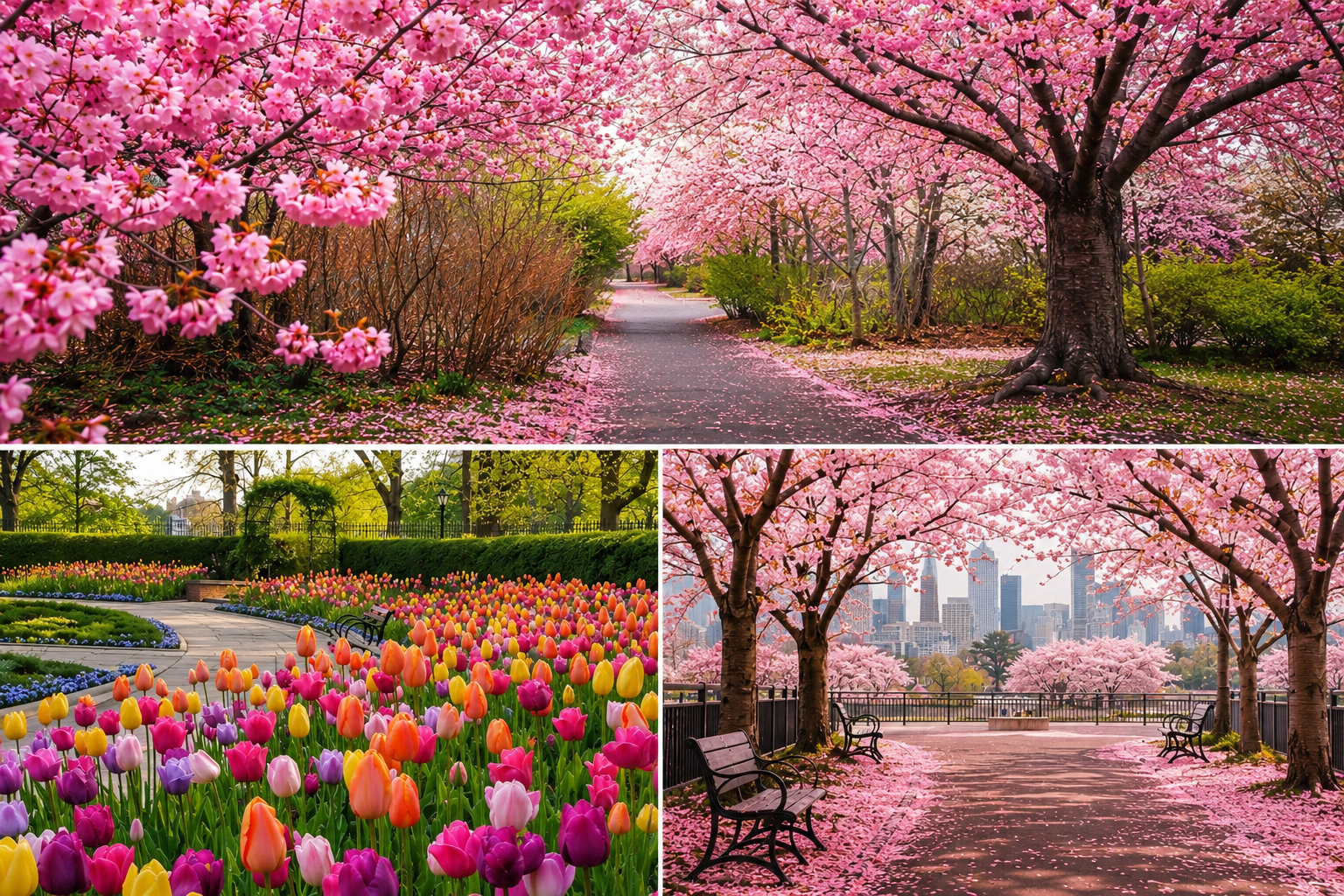
Seasonal changes play a major role here. Spring brings thousands of tulips, crabapple blossoms, and flowering cherry trees, while summer introduces colorful planting displays throughout the garden’s three distinct sections.
The French-style North Garden, centered around the Three Dancing Maidens Fountain, often becomes one of the strongest locations for flower photography because decorative beds and symmetrical pathways naturally guide the eye through the frame.
These carefully arranged features help make Conservatory Garden one of the hidden photography spots in Central Park for visitors looking beyond the park’s better-known landmarks.
What sets this area apart is its sense of order. Elsewhere in Central Park, winding paths and natural scenery dominate the landscape. Here, stone urns, ornamental gates, geometric planting beds, and formal walkways shape the view instead.
The Vanderbilt Gate at the garden’s entrance is particularly worth photographing because its intricate ironwork creates an elegant foreground subject before visitors even step inside.
The contrast becomes even clearer when moving between sections of the garden. A few minutes earlier, the surroundings may have consisted of open lawns or wooded pathways.
Inside Conservatory Garden, the setting feels almost secluded from the rest of Manhattan. That difference allows photographers to capture images that look remarkably different from other locations within Central Park.
Before exploring more well-known landmarks, it can be useful to include a quieter location like this in a photography route. The variety of flowers, fountains, and formal design elements provides a completely different visual style from bridges, lakes, and skyline viewpoints found elsewhere in the park.
Final Thoughts on Central Park Photo Spots for Visitors
The variety of Central Park is what makes photography here so rewarding. Within a single visit, it is possible to photograph the skyline from Gapstow Bridge, capture reflections near Bow Bridge, frame formal gardens at Conservatory Garden, and photograph historic architecture around Bethesda Terrace. Few urban parks offer such a wide range of subjects within walking distance of one another.
Timing matters almost as much as location. Early morning generally provides the cleanest light at Conservatory Garden, Sheep Meadow, and the Lake, while late afternoon often works well around Bow Bridge and Bethesda Terrace when warmer sunlight adds depth to stonework and surrounding landscapes.
Seasonal changes also reshape familiar scenes. Cherry blossoms near Conservatory Water in spring, rich foliage along The Mall in autumn, and snow-covered pathways in winter can make the same location look entirely different from one visit to the next.
This collection of Photography Spots in Central Park for Visitors covers some of the park’s most photogenic areas, but the strongest photographs often come from slowing down and exploring the spaces between major landmarks.
A quiet path near the Ramble, an unexpected reflection on the Lake, or changing light across Belvedere Castle can create images that feel just as memorable as the park’s famous viewpoints.
Use this Central Park photography guide for visitors as a starting point rather than a checklist. Plan around the light, allow extra time for walking between locations, and do not rush from one photo stop to the next.
Central Park rewards patience. The right combination of season, weather, and timing can transform even a familiar scene into a photograph worth keeping.
Frequently Asked Questions About Central Park Photo Spots
What is the most photographed location in Central Park?
Bow Bridge is often considered one of the most photographed locations in Central Park. Its elegant cast-iron design, position above the Lake, and surrounding trees create strong compositions throughout the year. Bethesda Terrace and Fountain is another highly photographed landmark because it combines historic architecture, decorative details, and one of the park’s most recognizable fountains.
Where can visitors take skyline photos in Central Park?
Several locations offer excellent skyline views. Gapstow Bridge provides one of the clearest combinations of water, greenery, and Midtown skyscrapers. Sheep Meadow also offers wide views of buildings rising beyond the tree line, while Belvedere Castle provides elevated perspectives across portions of the park and the surrounding city.
Which Central Park photo spots are best for families?
Conservatory Water is one of the most family-friendly photography locations because of its model sailboats, open pathways, and accessible viewing areas. Sheep Meadow is another practical choice for family photographs thanks to its large open lawn, while Bethesda Terrace offers spacious gathering areas and memorable architectural backgrounds.
What are the best hidden photography locations in Central Park?
Conservatory Garden is often overlooked compared to landmarks such as Bow Bridge and Bethesda Terrace. Its formal gardens, fountains, and seasonal flower displays provide a completely different style of photography. Certain paths within the Ramble can also offer quieter scenes with natural surroundings, stone outcrops, and fewer crowds.
Is Central Park good for smartphone photography?
Yes. Many of Central Park’s best photo locations work well with smartphones because they feature large subjects, open landscapes, and strong natural lighting. Locations such as Gapstow Bridge, Bow Bridge, Bethesda Terrace, and Sheep Meadow can produce impressive images without requiring professional camera equipment.
Can visitors take professional photos in Central Park?
Professional photography is generally allowed in many areas of Central Park, but certain commercial shoots, large productions, or photography sessions involving extensive equipment may require permits from the appropriate authorities. It is advisable to review current Central Park and New York City Parks regulations before conducting commercial or large-scale professional photography sessions.


One Response