
Why Crowd Levels Matter When Visiting Central Park
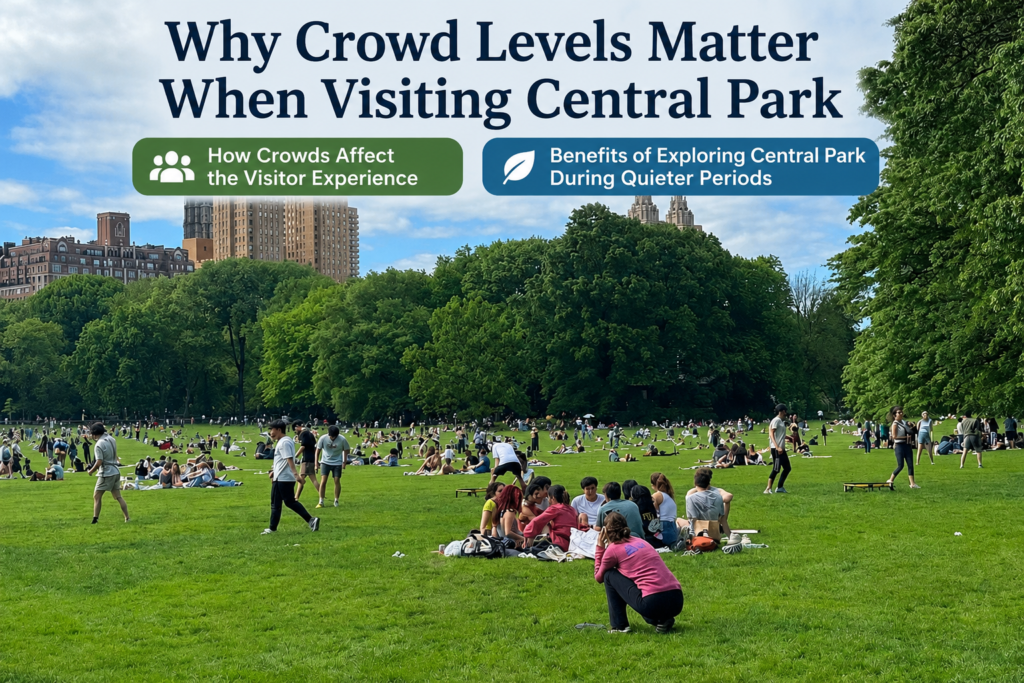
Best Time to Visit Central Park to Avoid Crowds often comes down to timing rather than location.
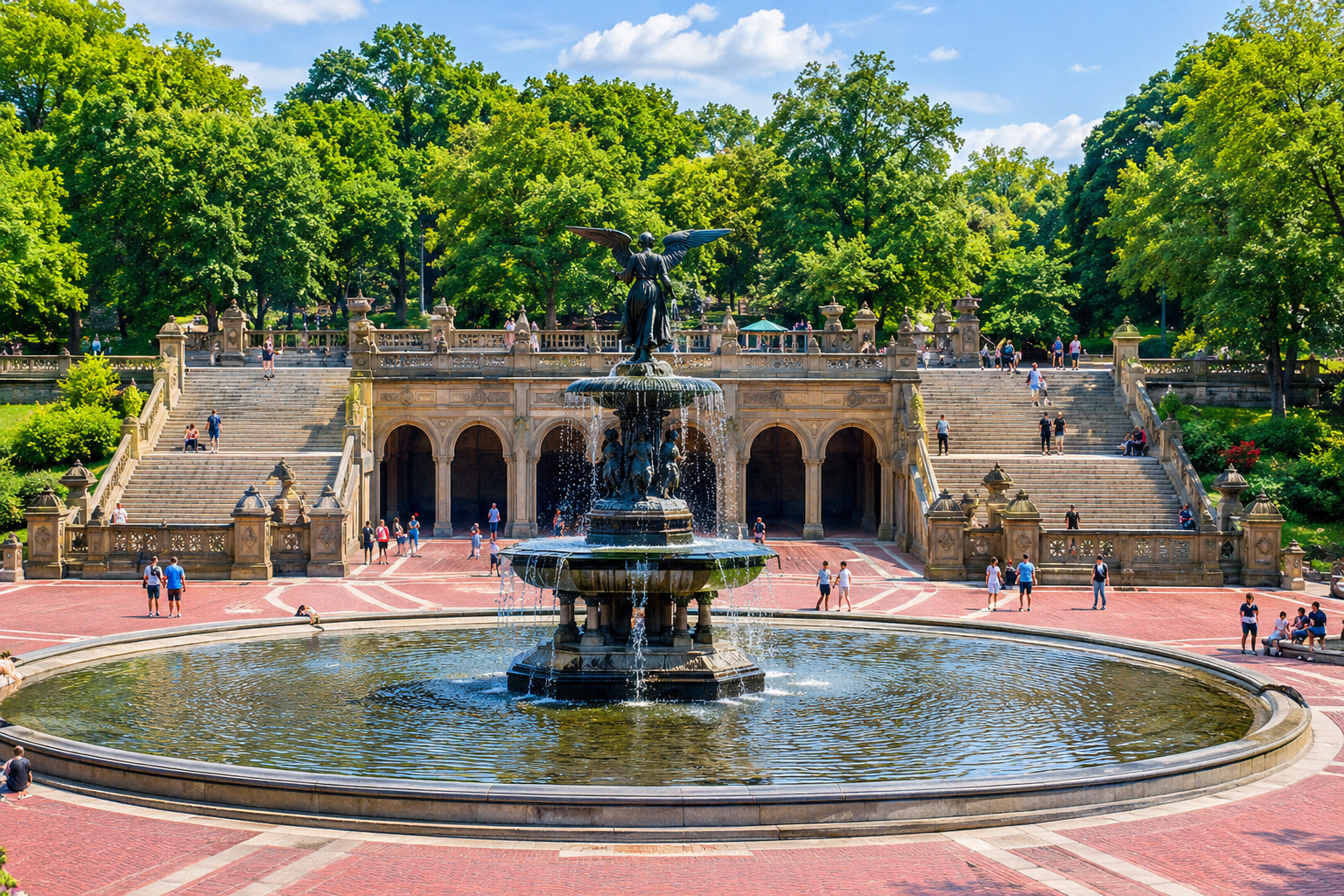
At 8:00 AM, paths near Bethesda Terrace usually stay calm, while midday brings heavier foot traffic. Even the sound of birds around The Lake becomes easier to notice during quieter hours.
Crowd levels influence how comfortably you move between attractions, how long you spend at viewpoints, and how much space is available to enjoy the park’s scenery. Timing matters more than many visitors expect.
If your goal is finding the quiet places in Central Park, understanding crowd patterns is often the first step. A well-timed visit can make famous locations feel surprisingly relaxed.
Planning a broader visit involves more than timing alone. Route choices, attraction priorities, and entry points also shape the experience.
For a complete overview beyond crowd levels, see these Central Park travel tips for tourists to help organize your visit more efficiently.
When Central Park Is Least Crowded During the Day
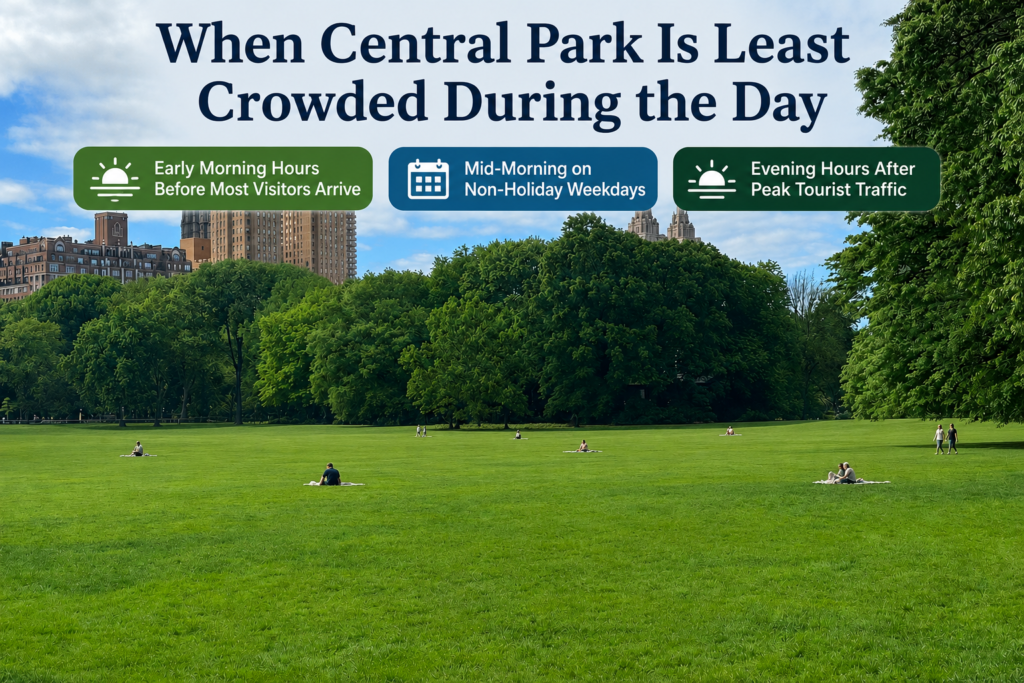
In Central Park, the time of day often matters more than the time of year. A summer morning can feel surprisingly open, while the same locations may be busy only a few hours later.
Just after sunrise, usually between 6:00 AM and 8:00 AM, Bethesda Terrace, Literary Walk along The Mall, and the western end of Bow Bridge feel noticeably calmer.
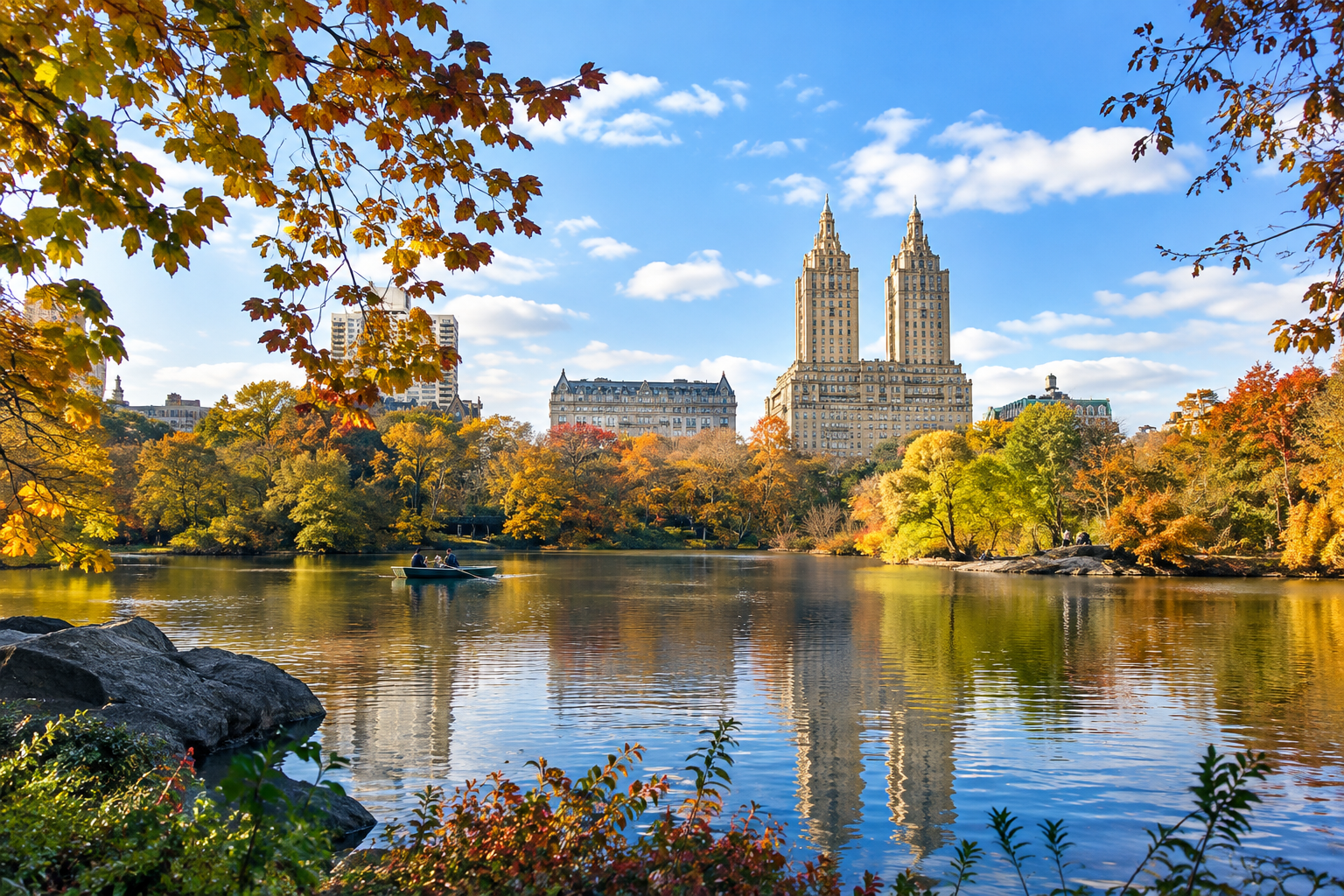
The soft sound of birds around The Lake often replaces the daytime buzz. This is one of the easiest ways to find peaceful places to visit in Central Park.
Mid-morning brings a different feel to the park, especially between 9:30 AM and 11:00 AM on non-holiday Tuesdays, Wednesdays, and Thursdays.
Activity increases, yet paths around Conservatory Water, the Hans Christian Andersen statue, and Shakespeare Garden are usually still easy to walk without weaving through crowds.
Later, around 6:30 PM to 8:00 PM, crowds begin thinning near Sheep Meadow, Bethesda Fountain, and the paved walk beside Cherry Hill.
The air often feels cooler, and long shadows begin stretching across the lawns. The pace slows noticeably compared with the busier afternoon hours.
A small change in timing can make Central Park feel far less crowded than many expect. Knowing which days and months are typically quieter helps narrow down the choice even further.
For broader planning beyond daily crowd patterns, these tips for visiting central park for the first time can help build a smoother itinerary from the start.
Best Days of the Week to Visit Central Park for Smaller Crowds
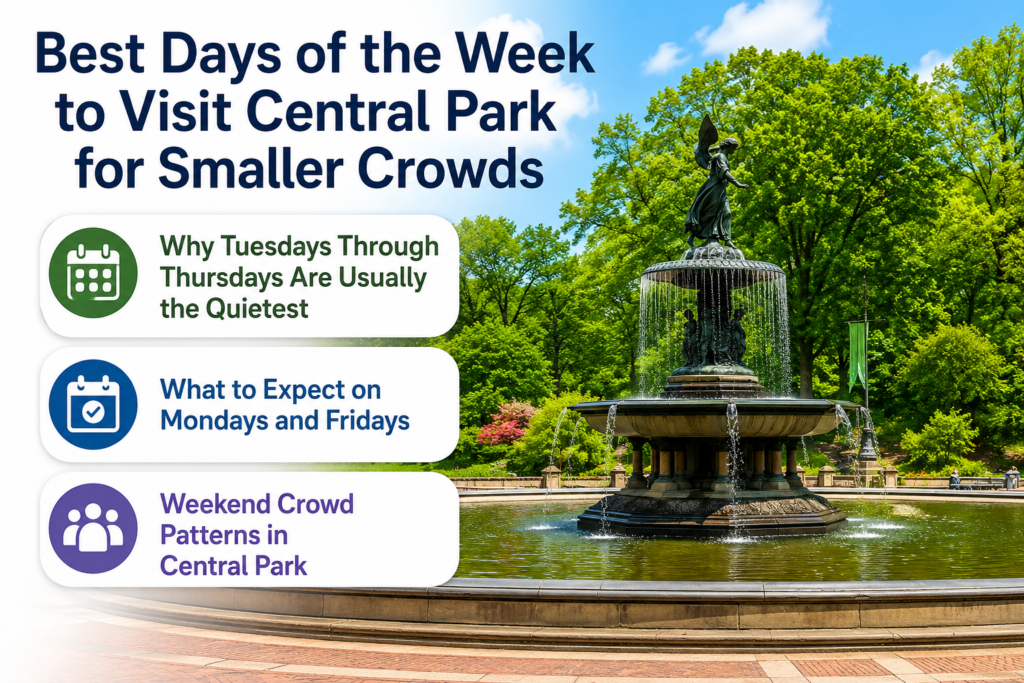
The day you choose can be just as important as the hour you arrive. Some weekdays see noticeably lighter foot traffic around popular landmarks, while others attract larger numbers of local visitors and tourists throughout the day.
Tuesdays through Thursdays are often the easiest days for a relaxed visit, especially between 8:00 AM and noon.
Steps around Bethesda Terrace, the path beside Turtle Pond below Belvedere Castle, and the area near Conservatory Water generally have more breathing room.
On quieter mornings, even the clip-clop of carriage horses near Central Park South can be heard from farther away. This is often the best weekday to visit Central Park.
Mondays and Fridays rarely feel as quiet as midweek days. Monday mornings can still be comfortable around Cherry Hill and The Lake, but the park gradually becomes busier later in the day.
By Friday afternoon, activity is usually picking up around Sheep Meadow and Bethesda Fountain.
Saturdays and Sundays are typically the busiest days in the park, particularly from about 10:00 AM to 3:00 PM.
The benches along The Mall, the viewing points at Bow Bridge, and the pathways around Strawberry Fields often stay active throughout those hours.
Before 9:00 AM, however, those same locations can feel surprisingly manageable.
Crowd levels are only part of the picture. Some months naturally attract fewer visitors regardless of the day of the week.
If your visit includes independent sightseeing, this guide to Central Park for solo travelers can help identify routes and experiences that work well at a comfortable pace.
Best Months to Visit Central Park for Fewer Visitors

Unlike daily crowd patterns, monthly visitor numbers shift with weather, school breaks, and holiday travel.
A path that feels busy in June may feel almost empty in January.
Choosing the right month can noticeably change the atmosphere around the park.
January and February are usually the quietest months.
Benches around Conservatory Water, the woodland paths inside The Ramble, and the overlook beside Turtle Pond often sit noticeably quieter than they do in spring.
Cold air and the crunch of leaves underfoot stand out more when fewer people are around. These months also reveal some of the uncrowded areas of Central Park for visitors.
Early March and the second half of November often slip between the busiest travel periods.
The lakeside benches at Cherry Hill, paths through Shakespeare Garden, and the area beside the Swedish Cottage Marionette Theatre are often easier to enjoy without constant foot traffic.
Late April and early May often offer a good middle ground. Fresh green leaves begin lining The Mall, and the view beneath its elm canopy starts looking much fuller.
Crowds are present, but they are usually lighter than the larger summer waves that follow.
Month selection is only one part of crowd planning. Certain dates and periods consistently attract larger numbers regardless of the season.
If photography is a priority during your visit, exploring the best Central Park photography locations can help you combine quieter periods with some of the park’s most rewarding viewpoints.
Times When Central Park Is Usually Most Crowded
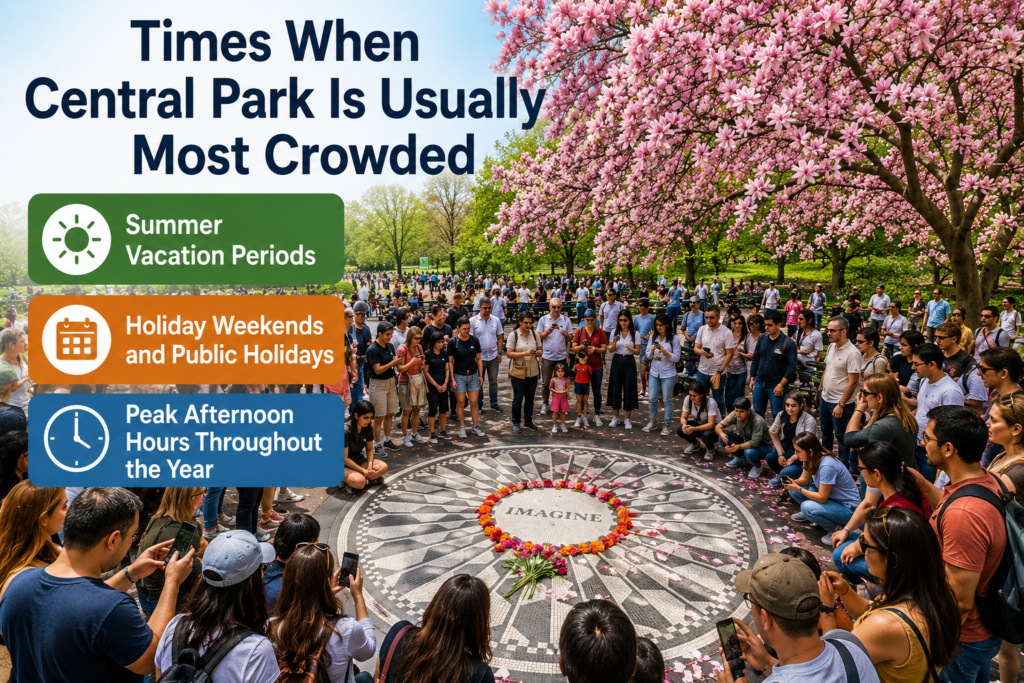
A quick warning: choosing the wrong time can completely change the feel of a Central Park visit.
Certain periods bring noticeably heavier foot traffic, longer waits at popular viewpoints, and busier walkways even in areas that normally feel relaxed.
Late June through August is when crowd numbers are usually at their highest.
The steps below Bethesda Terrace, photo areas near Bow Bridge, and the entrance beside Grand Army Plaza rarely stay quiet for long.
Conversations, carriage bells, and street sounds often drift deeper into the park during these weeks.
Visitors researching how to avoid crowds in Central Park should be especially mindful of summer timing.
Holiday weekends bring a different kind of crowd. Memorial Day Weekend, Independence Day, and Labor Day fill the lawns at Sheep Meadow, the pathways around Strawberry Fields, and the plaza surrounding Bethesda Fountain.
By early afternoon, finding an open bench along The Mall can take more patience than usual.
Noon to 4:00 PM is typically the most crowded part of the day, no matter the season.
Tour groups are moving through the park, nearby attractions have released fresh waves of visitors, and walkways become noticeably busier.
The area outside the Dairy Visitor Center, the Merchants’ Gate entrance at Columbus Circle, and paths approaching Wollman Rink can become crowded enough that some visitors begin wondering where to escape crowds in Central Park.
Visitors planning a family outing may also want to explore the best places to visit in Central Park with kids, since crowd levels can affect how comfortable certain family-friendly areas feel throughout the day.
Crowd Levels at Popular Central Park Locations
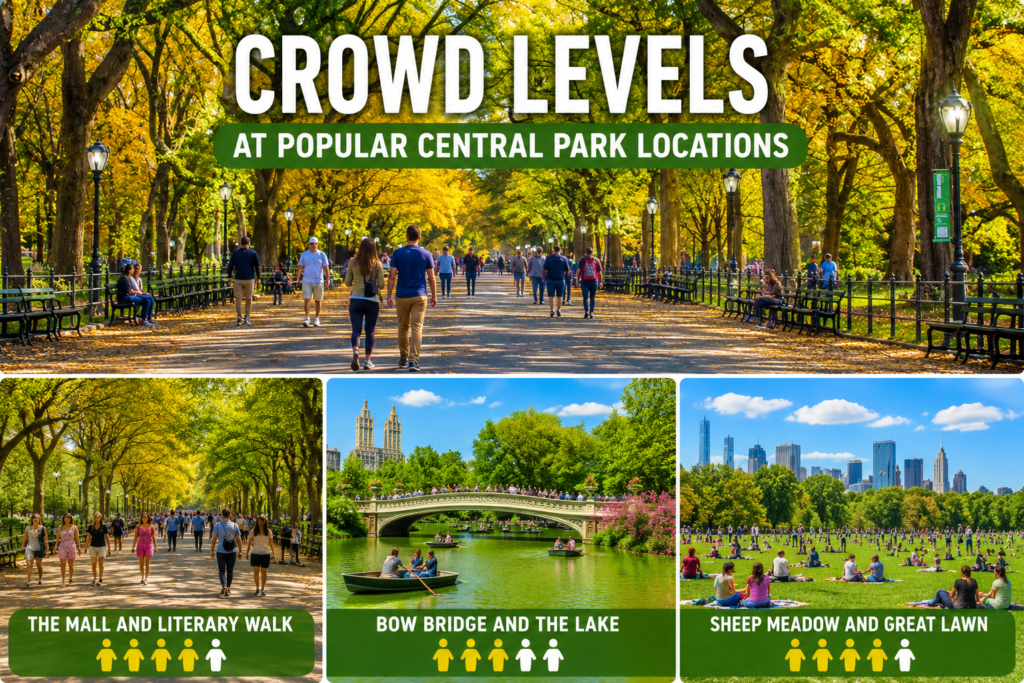
Location matters just as much as timing inside Central Park. Two areas visited at the same hour can feel completely different.
Some landmarks attract steady activity throughout the day, while others remain noticeably calmer even during busier periods.
Bethesda Terrace and Bethesda Fountain are rarely empty, especially between 11:00 AM and 3:00 PM.
The central staircase, the Minton tile arcade beneath the terrace, and the fountain’s surrounding plaza often become the busiest part of the park.
The sound of running water blends with music and conversation bouncing beneath the arches.
Around 10:00 AM, activity starts building near Bow Bridge and the western shoreline of The Lake.
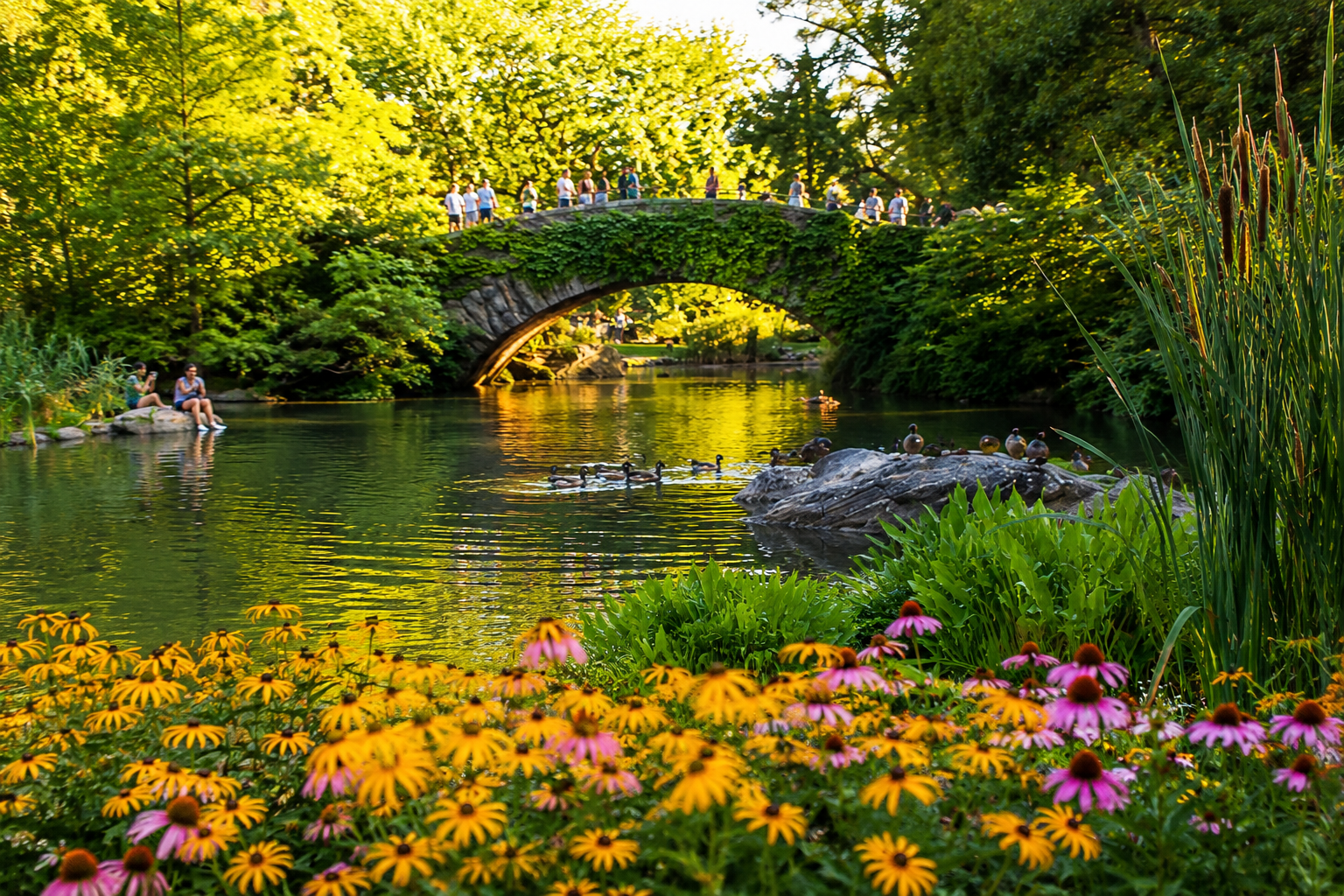
The center of the bridge and the curved approach path from Cherry Hill are popular stopping points for photos.
Before 9:00 AM, those same railings and viewpoints are usually much easier to enjoy.
From about 12:00 PM to 5:00 PM, Sheep Meadow and Great Lawn are often at their busiest.
Large sections of grass become occupied, particularly on weekends with good weather.
A short walk into nearby wooded paths can feel surprisingly different from the activity across the open lawns.
By comparison, the North Woods, the pathways around the Loch, and sections of the Ravine are often considered less crowded attractions in Central Park.
These landscapes north of 86th Street usually see much lighter foot traffic than famous locations such as Bethesda Terrace or Bow Bridge.
Crowd patterns vary from one location to another, but timing still plays a major role. Combining quieter hours with quieter areas often produces the most relaxed visit.
Visitors interested in scenic settings may also enjoy exploring the romantic spots in Central Park for couples, many of which offer a different atmosphere depending on the time of day and crowd levels.
Quick Crowd Calendar for Central Park Visitors
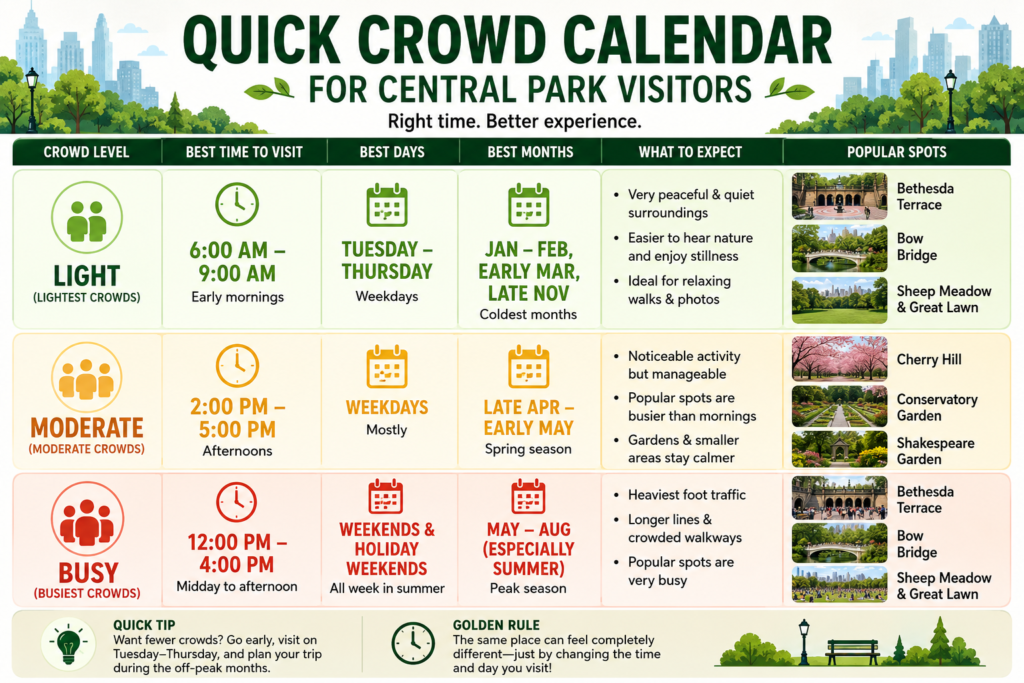
In short, crowd levels usually come down to timing. Arriving at the right hour on the right day can completely change the feel of places such as Bethesda Terrace, Bow Bridge, and Sheep Meadow, even during the same season.
The lightest crowd conditions usually occur on Tuesday through Thursday mornings between 6:00 AM and 9:00 AM, particularly in January, February, early March, and late November.
Around Conservatory Water and the North Woods, the crisp sound of leaves moving in the breeze is often easier to notice. These periods are ideal for those wondering how to explore Central Park without crowds.
Moderate crowd levels are most common between roughly 2:00 PM and 5:00 PM on weekdays, especially during late April and early May.
Cherry Hill, the Conservatory Garden, and Shakespeare Garden generally remain easier to enjoy than Bethesda Terrace, although pathways become noticeably busier than they are during early morning hours.
The busiest conditions generally occur on summer weekends, holiday weekends, and between 12:00 PM and 4:00 PM.
Bethesda Terrace, Bow Bridge, and Sheep Meadow typically experience the heaviest foot traffic during these peak hours.
Understanding crowd patterns helps, but a comfortable visit also depends on practical planning inside the park. For additional guidance, reviewing key Central Park safety tips for tourists can help make the day smoother and more enjoyable.
Final Thoughts
The Best Time to Visit Central Park to Avoid Crowds
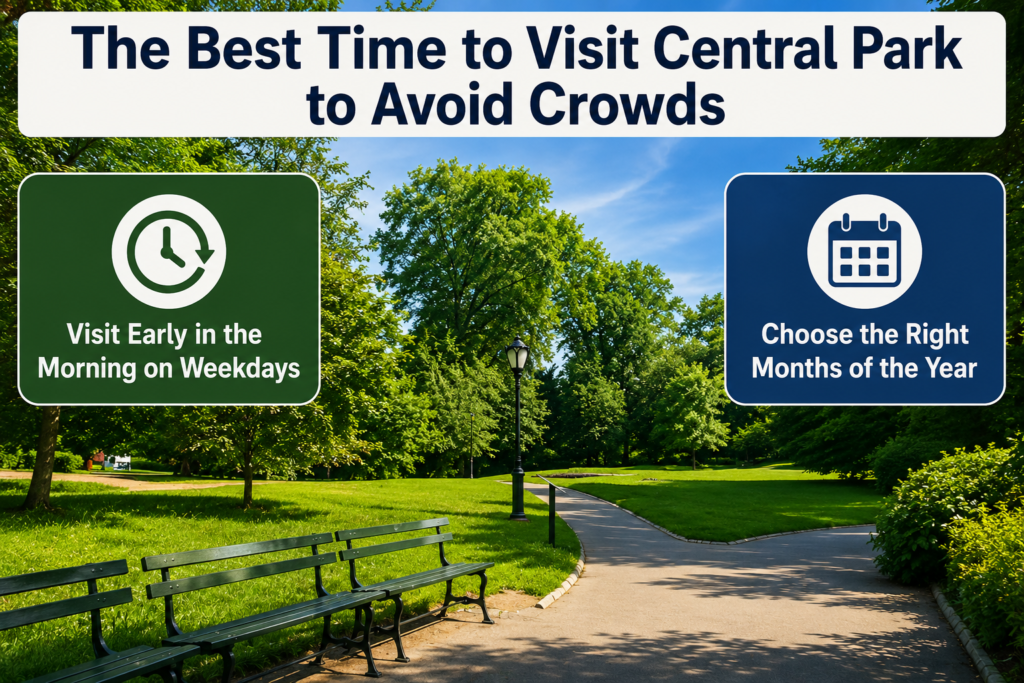
For the quietest experience, aim for a visit between 6:00 AM and 9:00 AM on a Tuesday, Wednesday, or Thursday, particularly in January, February, early March, or late November.
During these periods, even popular areas such as Conservatory Water and sections of the North Woods feel far calmer than they do during peak tourist hours.
The hour matters, but so does where you go once you enter the park. Pairing early-morning visits with the least crowded areas of Central Park often produces the biggest difference.
The Ravine, the Loch, and woodland paths north of 102nd Street usually feel much quieter than Bethesda Terrace, Bow Bridge, or Sheep Meadow.
Not every peaceful location appears on the typical sightseeing route.
Some hidden spots in Central Park away from tourists, including trails beside the Loch and sections of the North Woods near Huddlestone Arch, often remain noticeably quieter than the heavily visited southern end of the park.
In the end, the best time to visit Central Park to avoid crowds is not defined by a single season.
It comes from combining the right month, the right day, the right hour, and the right location. Get those four factors right, and the park feels remarkably different.
Frequently Asked Questions About Visiting Central Park to Avoid Crowds
What is the least crowded time of day in Central Park?
The quietest period is usually between 6:00 AM and 9:00 AM. During these early hours, areas such as Conservatory Water, the North Woods, and sections of The Ramble often feel noticeably calmer before most sightseeing activity begins.
Which day of the week is best for avoiding crowds in Central Park?
Tuesdays, Wednesdays, and Thursdays generally experience the lightest visitor numbers. Arriving during the morning hours on these weekdays typically provides a more relaxed experience than Mondays, Fridays, or weekends.
What month has the fewest visitors in Central Park?
January and February are usually the least crowded months. Colder temperatures reduce visitor numbers, making locations such as Turtle Pond, the Loch, and Conservatory Water feel much quieter than during spring or summer.
Is Central Park crowded on weekends?
Yes. Saturdays and Sundays are often the busiest days, especially between 11:00 AM and 4:00 PM. Popular locations including Bethesda Terrace, Bow Bridge, Sheep Meadow, and Strawberry Fields regularly attract large numbers of visitors during these hours.
Are mornings less crowded than afternoons in Central Park?
In most cases, yes. Early mornings generally offer lighter foot traffic, while afternoons attract sightseeing groups, recreational visitors, and park-goers arriving from nearby Manhattan attractions. The difference is often most noticeable at Bethesda Terrace and Bow Bridge.
Which areas of Central Park stay relatively quiet throughout the day?
The North Woods, the Ravine, the Loch, and several trails north of 102nd Street usually remain quieter than the park’s most famous landmarks. These sections receive less foot traffic and often provide a more peaceful atmosphere throughout much of the day.


One Response