Planning Before You Visit With Kids
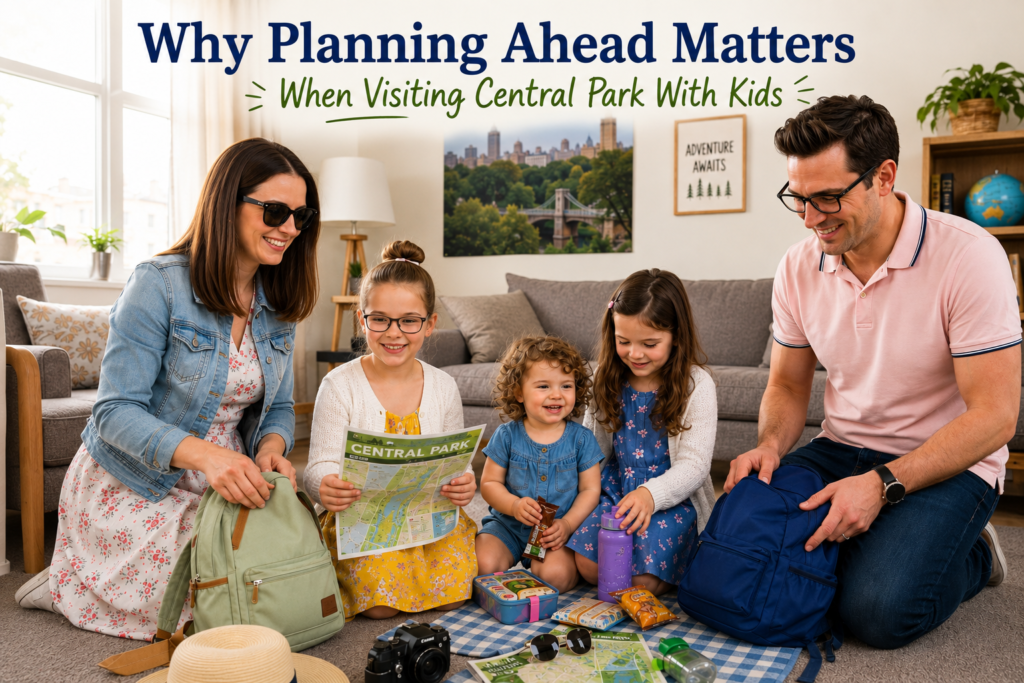
A little preparation before your visit can make a significant difference when exploring Central Park with children.
Central Park stretches across 843 acres between Central Park South (59th Street) and 110th Street, making it much larger than many families expect at first glance.
A rushed plan can quickly turn into extra walking, missed facilities, and tired children before midday.
The sound of bicycle bells along the park drives and the steady movement around major entrances often remind visitors how active the park can be, especially on weekends.
Choosing a starting area, knowing restroom locations, and allowing time for breaks helps avoid common family challenges.
A simple plan also makes the day feel less hectic. Instead of deciding every step after arrival, families can focus on enjoying the park and adapting when needed.
Looking beyond family planning, some visitors also set aside time to explore quieter experiences designed for two. Those interested in Romantic Things to Do in Central Park for Couples can discover a very different side of the park through lakeside walks, scenic viewpoints, and peaceful corners away from busy pathways.
Getting to Central Park With Children

The journey to Central Park is often the first part of the family experience, making transportation choices worth considering in advance.
Reaching the park can shape the mood of the day before the first path, playground, or landmark comes into view. These essential tips for families visiting Central Park can help reduce unnecessary delays and make arrival feel much smoother.
Using Public Transportation With Kids
Which subway station is best for families? The answer depends on where the visit begins. Stations such as 59 St–Columbus Circle, 72 St, and 81 St–Museum of Natural History place visitors close to different areas of the park.
Stepping out near Central Park West, the city noise gradually softens beneath rows of trees. Choosing the closest station to the day’s first stop often saves both time and energy.
Arriving by Taxi or Rideshare
A short drive can sometimes be easier than carrying bags, snacks, and extra clothing through busy stations. Taxi and rideshare drop-offs also provide flexibility when traveling with younger children.
Near Grand Army Plaza at Fifth Avenue and 59th Street, vehicles can stop within a short walk of southern park attractions. Traffic conditions vary, though. Mid-morning arrival is often slower than early morning.
Driving and Parking Considerations for Families
Before deciding to drive, consider where the vehicle will stay once you arrive. Parking around Central Park is available, but spaces near popular entrances can fill quickly during weekends and holiday periods.
Along Central Park South, long rows of vehicles occasionally form outside garage entrances. The sight alone is often enough to show why checking parking options before departure can prevent last-minute changes.
Transportation choices help families reach the park efficiently, but timing also plays a major role in how comfortable the day feels. Understanding how much time to spend in Central Park with kids can make it easier to build a realistic schedule.
Families who are still deciding where to spend most of their time may also find value in exploring the best places to visit in Central Park with kids, especially when planning around children’s interests and energy levels.
Choosing the Right Entrance with Kids

With multiple access points surrounding Central Park, selecting the right entrance can save time and reduce unnecessary walking.
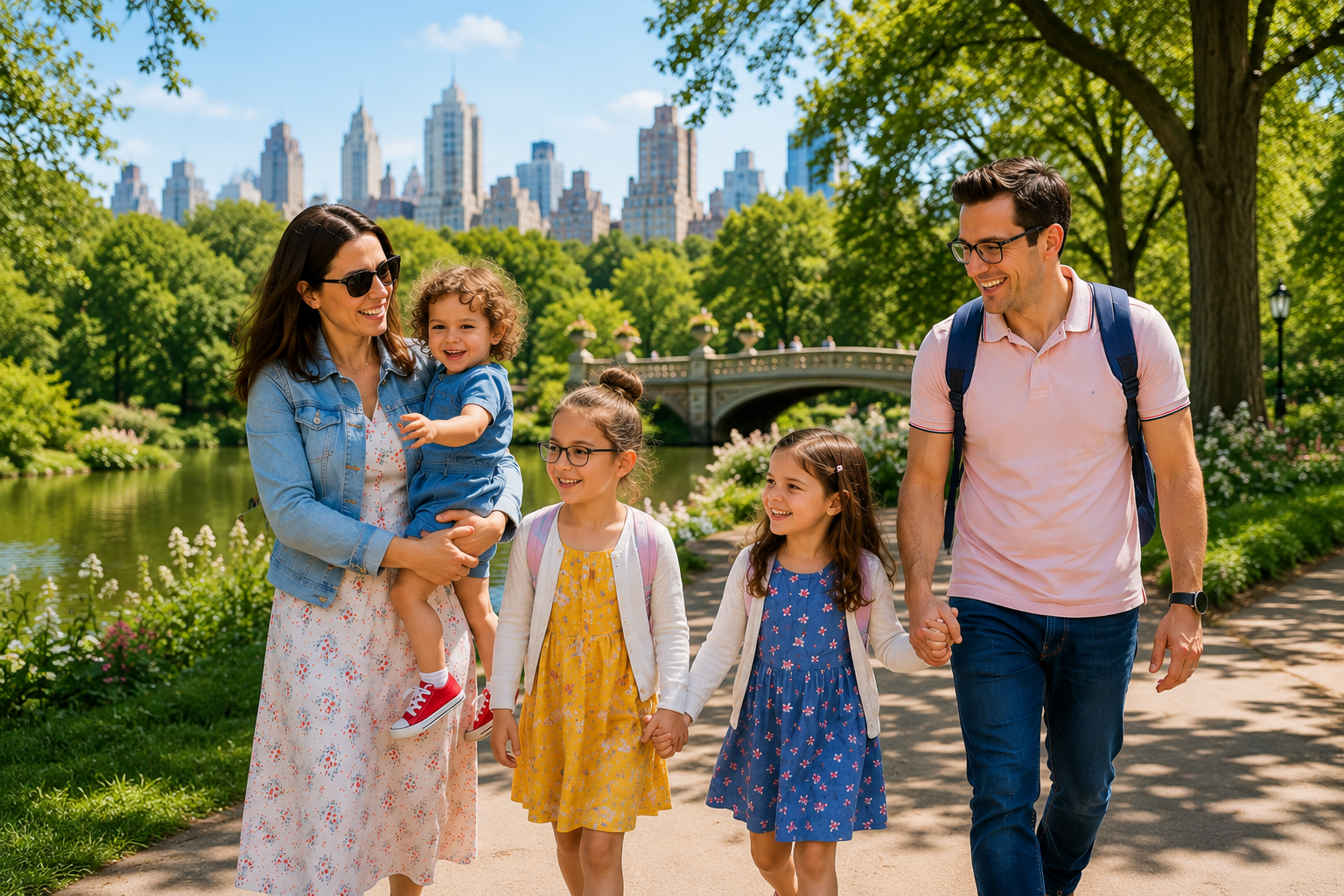
A family visit often feels easier when the starting point matches the day’s plan. For those visiting Central Park with kids, the right entrance can reduce long walks before the first activity even begins.
Entrances That Offer Easy Access for Families With Young Children
At Columbus Circle and Central Park South (59th Street), the Merchants’ Gate entrance provides quick access to Heckscher Playground, one of the park’s largest play areas. Swings, climbing features, restrooms, and open space are all nearby, which helps families avoid unnecessary walking during the first part of the visit.
On the east side, the entrance near Fifth Avenue and East 85th Street places families closer to Ancient Playground. The sound of children playing around the pyramid-inspired structures often makes this area feel active soon after arrival.
Selecting an Entrance Based on Your Planned Activities
Not every entrance serves the same purpose. If the day includes the Central Park Zoo and nearby attractions, entering from Grand Army Plaza at Fifth Avenue and 59th Street keeps those destinations within a shorter walking distance.
For a family guide to exploring Central Park, matching the entrance to the main activity usually saves more energy than following the nearest subway stop alone.
Factors to Consider Before Picking a Starting Point
Before choosing an entrance, consider restroom access, stroller routes, walking distances, and the location of your first planned stop. A five-minute adjustment at the beginning can prevent a much longer walk later.
Entrance selection is only one part of the planning process. Once the starting point is decided, the next step is understanding transportation options and practical Central Park travel tips for tourists that can make arrival much smoother, especially with children and extra gear.
Family-Friendly Facilities to Know
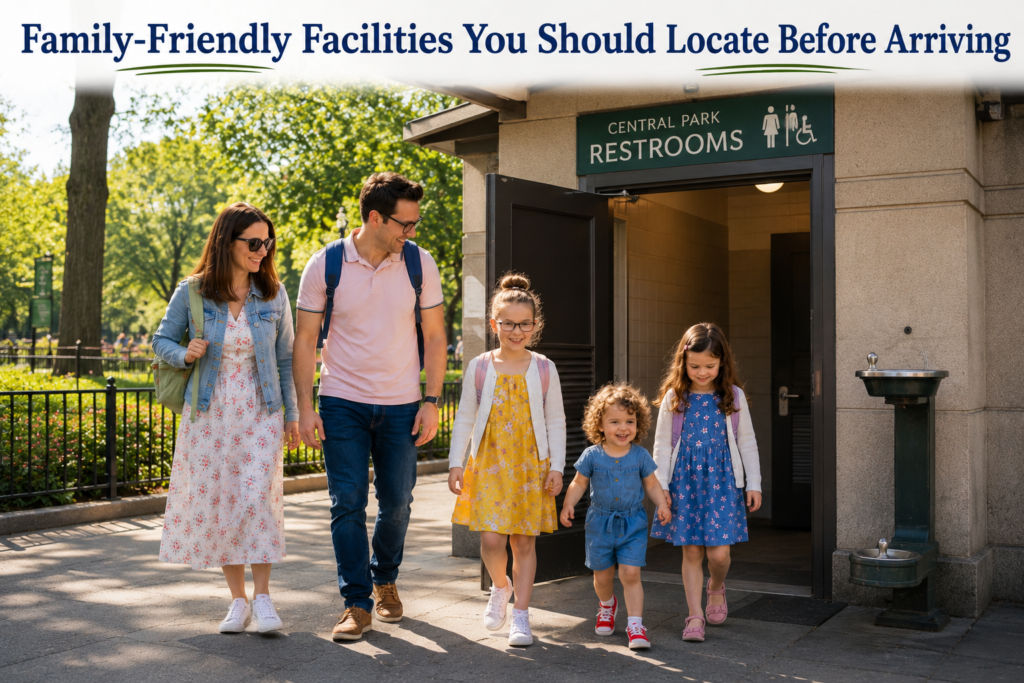
Knowing where essential facilities are located can help families avoid unnecessary interruptions during their visit.
A few minutes spent identifying restrooms, drinking water locations, and rest areas before arrival can save considerable time later, especially during busy periods when children may need quick access to these facilities.
Finding Restrooms During Your Visit
One concern often appears unexpectedly during a family outing: finding the nearest restroom quickly. Central Park provides public restroom facilities at several major locations, including the Dairy Visitor Center near 65th Street, Belvedere Castle, Tavern on the Green area, and the Charles A. Dana Discovery Center.
Knowing these locations before entering the park can prevent unnecessary backtracking and help maintain a smoother pace throughout the day.
Water Fountains and Hydration Stops
A practical approach is to refill water bottles whenever an opportunity appears rather than waiting until supplies run low. Walking distances inside Central Park are often longer than they initially seem.
Near popular pathways, the occasional sound of water flowing from drinking fountains can be a welcome reminder to pause and rehydrate. This simple step becomes particularly important during warmer months.
Places to Sit and Take Breaks Throughout the Day
Unlike shorter city attractions, Central Park offers many opportunities to slow down. Benches along The Mall, shaded seating near Conservatory Water, and open areas around Sheep Meadow provide useful rest stops between activities.
For families researching what parents should know before visiting Central Park, locating these quieter break areas in advance often proves just as valuable as planning routes or attractions.
Good facility planning naturally leads to smarter budgeting throughout the day. Knowing where to refill water, rest comfortably, and organize breaks can help reduce unnecessary spending.
Families looking to manage costs efficiently may also benefit from exploring affordable things to do in Central Park, especially when planning a full day around children.
What to Pack with Kids
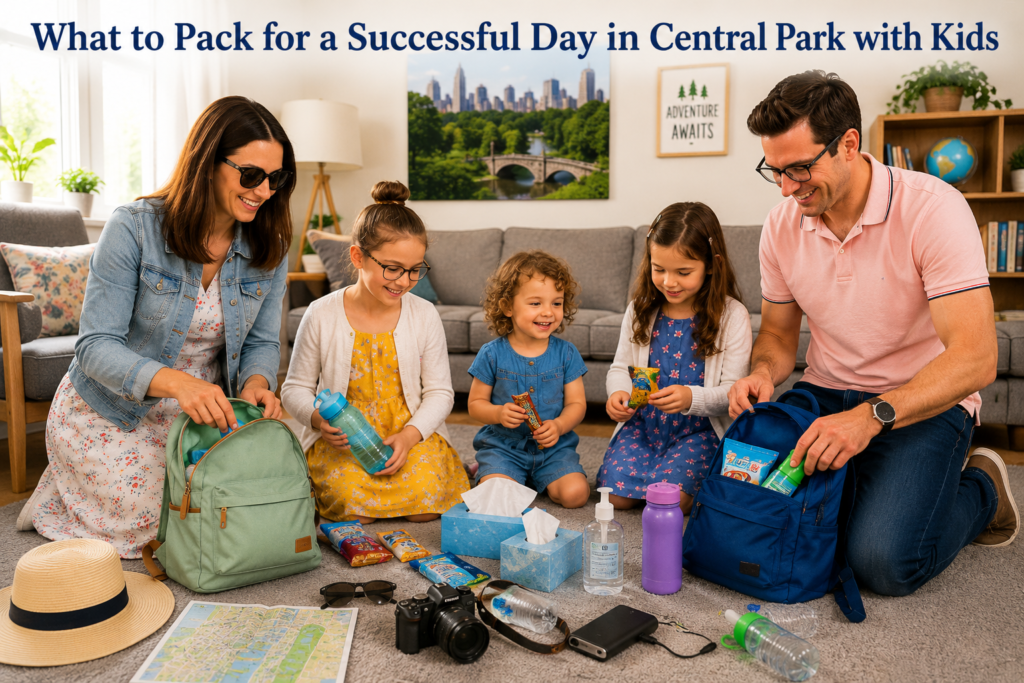
Packing a few well-chosen items before leaving for Central Park often prevents extra walking, unexpected purchases, and mid-visit frustration.
For families covering several areas of the park in one day, a light but organized bag usually makes moving between attractions much easier.
Essential Items Every Parent Should Bring
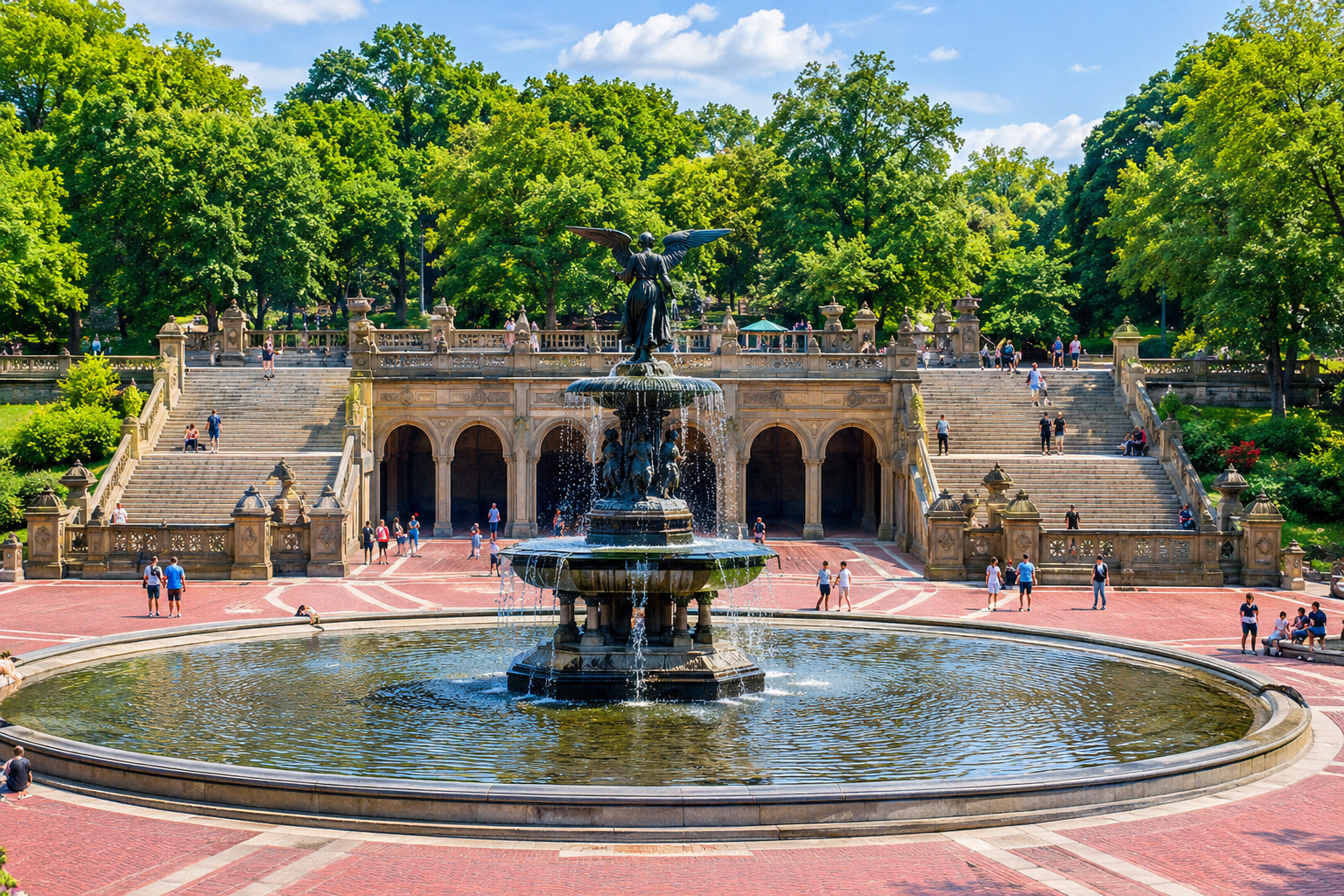
A small backpack often works better than a large daypack when exploring busy areas such as Bethesda Terrace, Heckscher Playground, and the Central Park Zoo.
Pack refillable water bottles, tissues, hand sanitizer, snacks, a portable phone charger, and any required medications. During warmer afternoons, the faint smell of nearby food carts can tempt hungry children sooner than expected.
Families following a complete guide to Central Park with children often find that carrying fewer items—but choosing them carefully—creates a smoother experience from morning through late afternoon.
Weather-Related Items to Consider
Before entering the park, check the forecast rather than relying on conditions around Midtown Manhattan.
A sunny morning near Sheep Meadow can quickly turn uncomfortable without hats, sunscreen, or lightweight layers. In spring and autumn, a cool breeze crossing the open lawns sometimes feels stronger than expected.
Compact rain ponchos are usually more practical than umbrellas when moving through crowded pathways.
Entertainment and Comfort Items for Younger Children
What happens when playground time ends but the next attraction is still a ten-minute walk away?
Small coloring books, favorite toys, stickers, or simple travel games can help bridge those gaps. Near The Mall, the sound of horse carriages and street performers often keeps children engaged, but familiar comfort items remain useful during longer park days.
Some parents also pack a lightweight blanket for short breaks on the grass around East Green or the Great Lawn.
Before choosing activities, it helps to know which locations provide the best experiences for different age groups. Families planning their route next may benefit from exploring Central Park attractions for teens, especially when older children are joining the visit alongside younger siblings.
Common Family Planning Mistakes
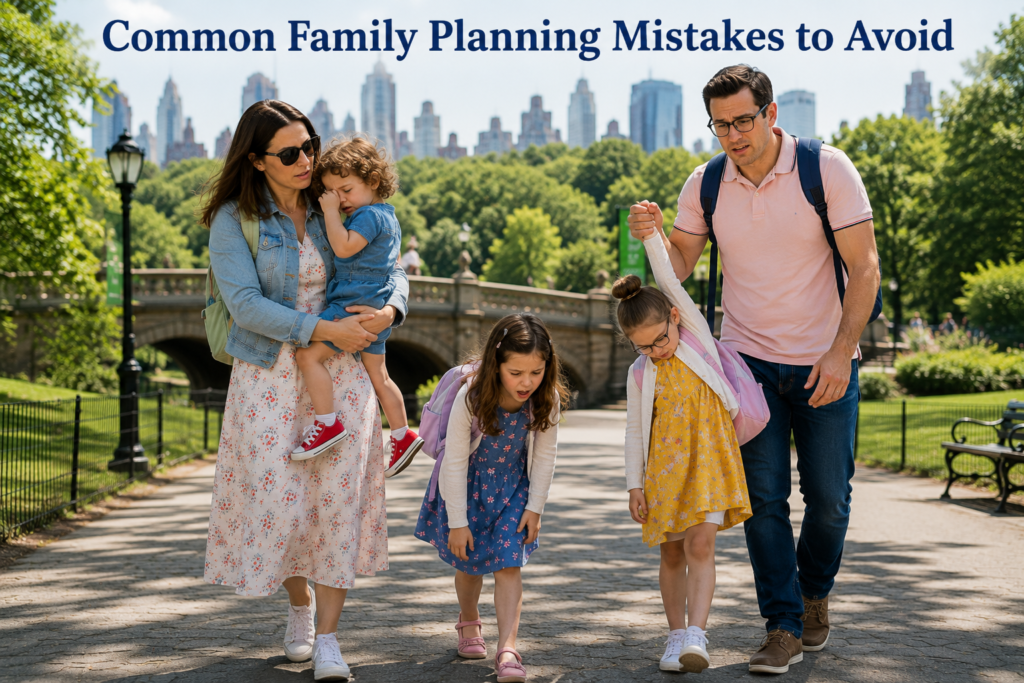
Even well-prepared families can encounter avoidable challenges that affect the overall experience.
Most planning mistakes in Central Park are not serious, yet they can shorten visits, increase fatigue, and reduce time available for the attractions children enjoy most.
Underestimating Walking Distances
At first glance, Central Park often appears smaller on a map than it feels on foot.
The distance between popular family locations such as Heckscher Playground, Bethesda Terrace, Belvedere Castle, and Conservatory Water can add up quickly. What seems like a short detour may become another twenty or thirty minutes of walking, especially with younger children.
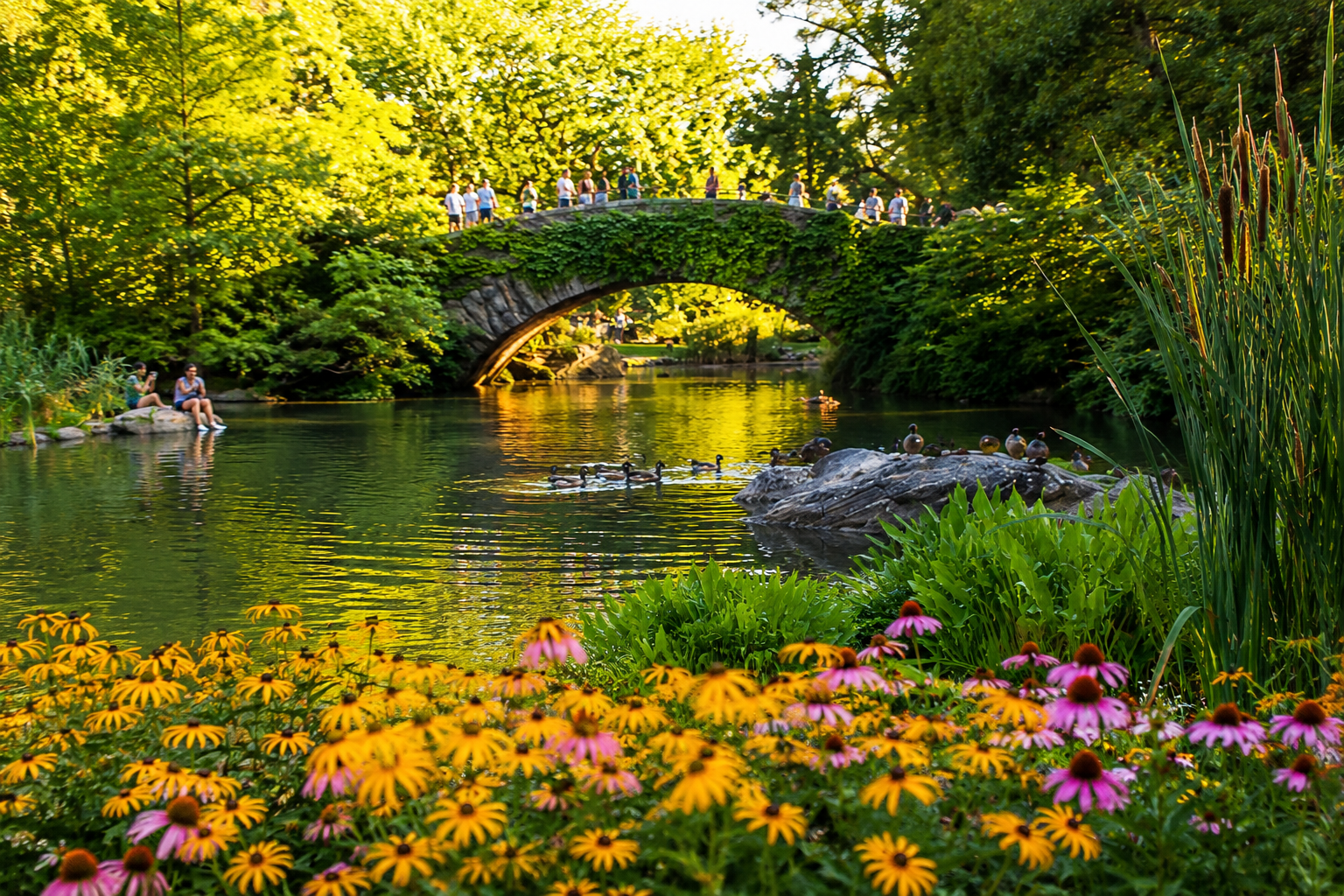
Near The Lake, the gentle movement of the water can make the surroundings feel calm and close together. The reality is different. A route that looks simple on a phone screen can require far more energy than expected once the walking begins.
Bringing Too Much or Too Little Gear
A balanced approach usually works better than packing for every possible situation.
Too much gear turns a family outing into a carrying exercise. Too little creates repeated interruptions. A heavy backpack may seem useful at the entrance, but after several hours around the Great Lawn and the Ramble, every extra item becomes noticeable.
For families looking for tips for visiting Central Park with kids, focusing on essentials rather than “just in case” items often produces a smoother day.
Trying to Fit Too Many Activities Into One Visit
Warning signs often appear halfway through the day rather than at the beginning.
Children may enjoy the Central Park Zoo, a playground stop, Belvedere Castle, and Conservatory Water. Attempting all of them in a tightly packed schedule can leave little room for breaks, unexpected discoveries, or simple play time.
A shorter list frequently delivers a better experience than an ambitious itinerary. Sometimes the most memorable moments happen between planned attractions rather than at them.
Family visits and solo visits create very different planning priorities. If you’re also interested in understanding how routes, pacing, and attraction choices change for individual visitors, explore our guide to Central Park for solo travelers.
Final Thoughts on Planning With Kids
A well-planned visit allows families to focus less on logistics and more on enjoying time together in one of New York City’s most famous public spaces.
Central Park stretches across 843 acres, so even a simple plan can make the day feel easier and more enjoyable. Choosing a few priority stops often works better than trying to see everything at once.
Small decisions matter.
Selecting the right entrance, packing thoughtfully, scheduling breaks, and allowing extra time for unexpected discoveries can help families enjoy a smoother experience from morning through afternoon.
Focus on Comfort, Flexibility, and Family Enjoyment
Observation often reveals the same pattern: children enjoy Central Park most when the day feels relaxed rather than tightly scheduled.
A playground visit at Heckscher Playground, a walk through the Mall, or time beside Conservatory Water can be enough. The gentle sound of water moving across the pond often creates a calm pause between activities.
Families searching for how to plan a family day in Central Park usually benefit more from realistic expectations than ambitious itineraries. Comfort, rest breaks, and flexibility often create the most rewarding day.
Preparing for a Smooth and Memorable Day
Recommendation first: start earlier than you think necessary, especially during spring, summer, and holiday weekends when popular areas become busier by late morning.
Rather than rushing between attractions, leave space for spontaneous moments—a street performer near Bethesda Terrace, a shaded bench along Literary Walk, or a quiet path beneath tall elm trees. Those unplanned discoveries often become the parts children remember most after the visit ends.