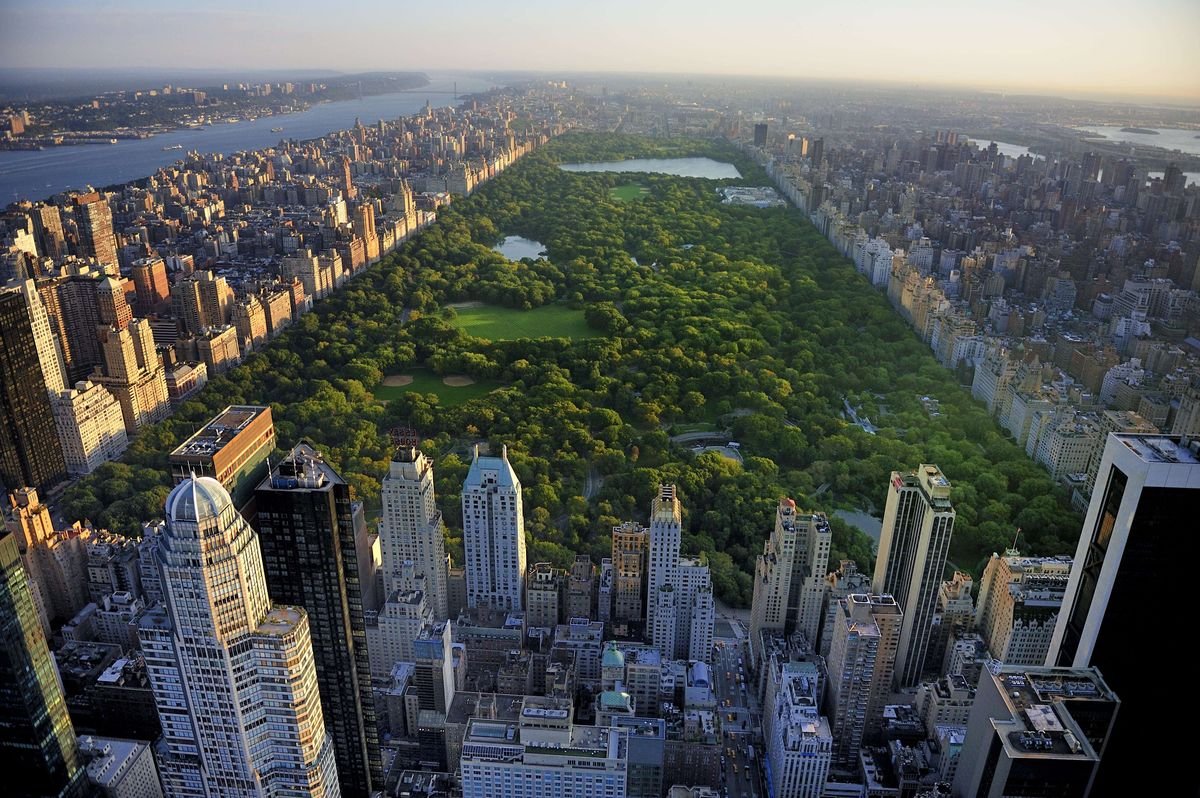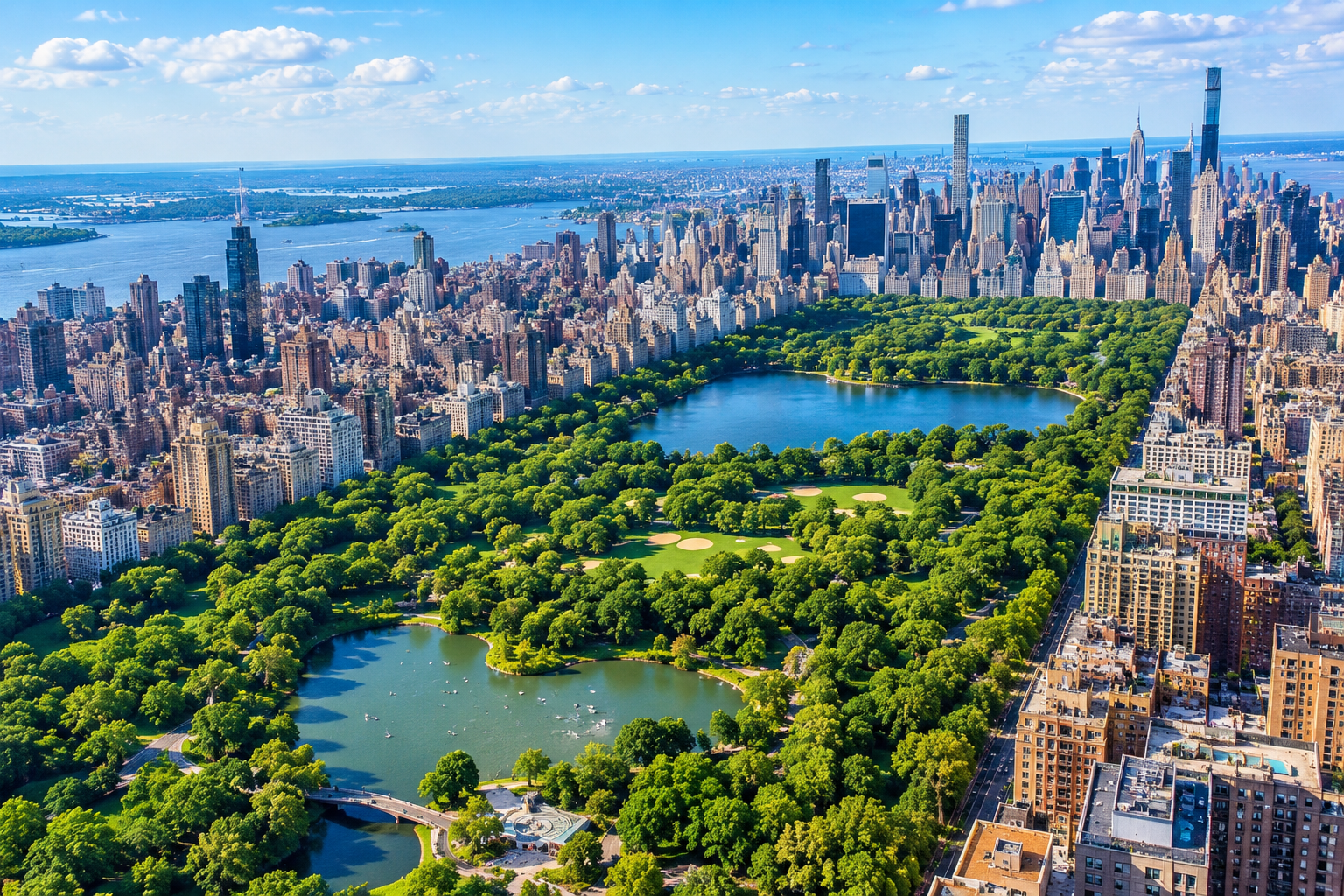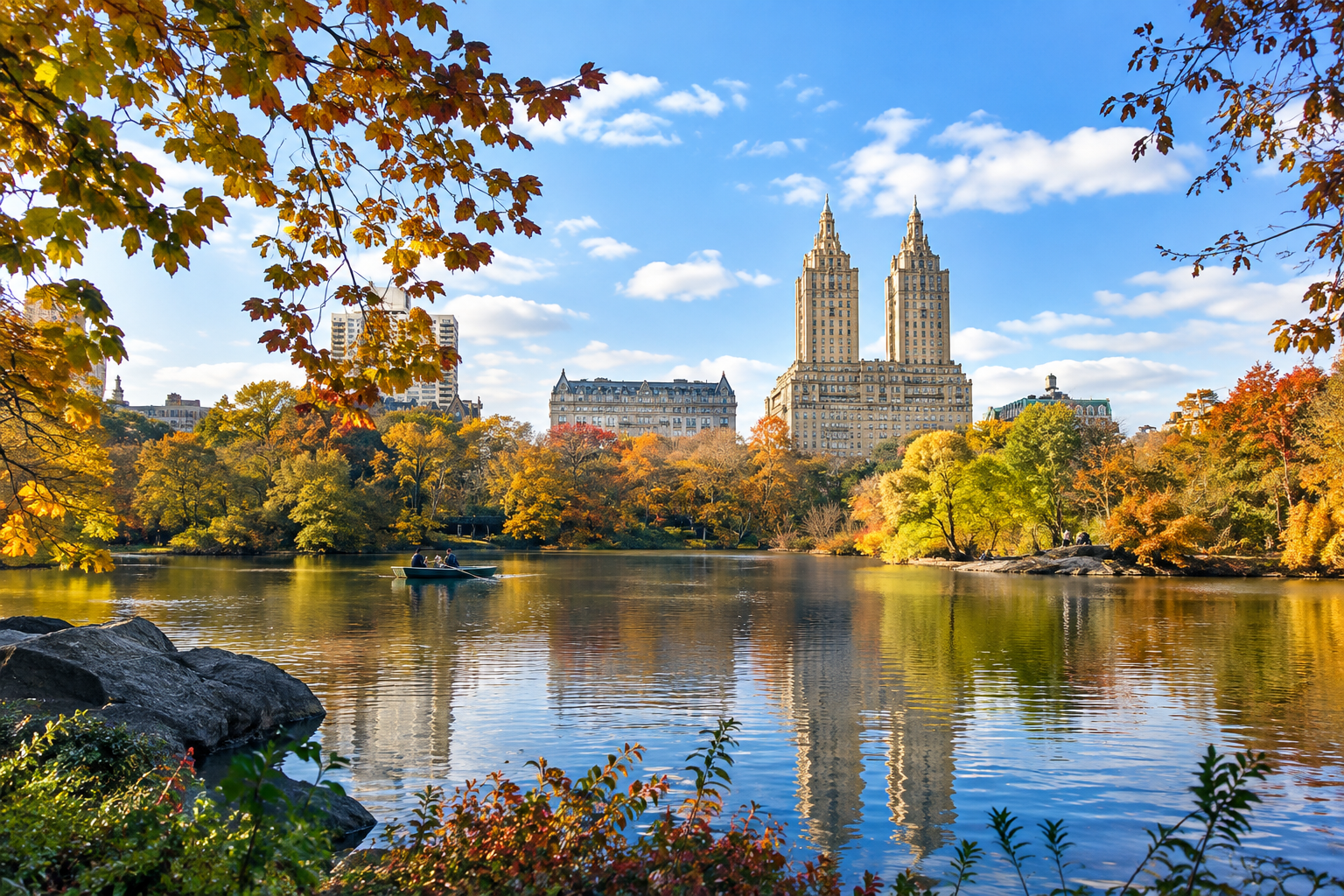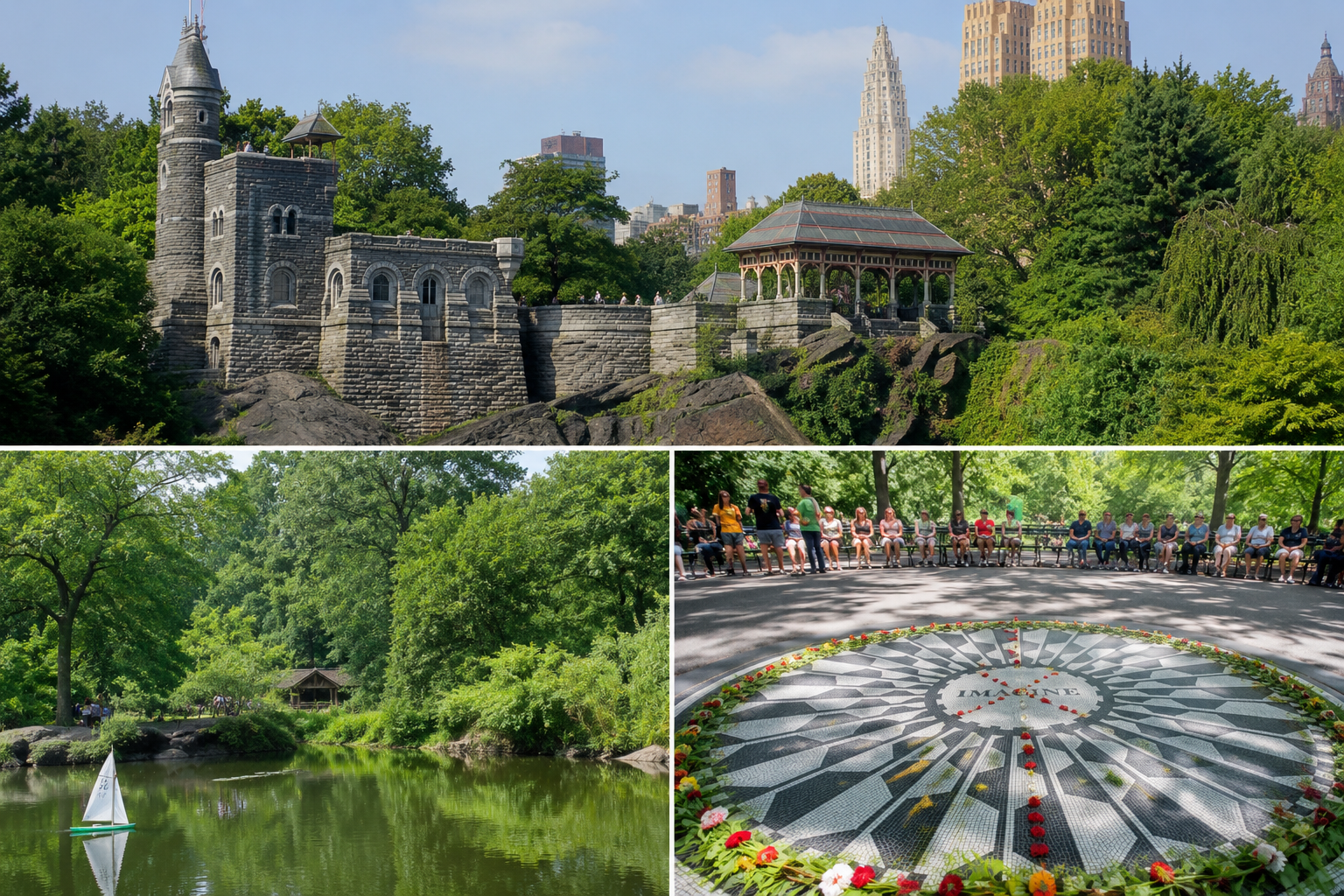
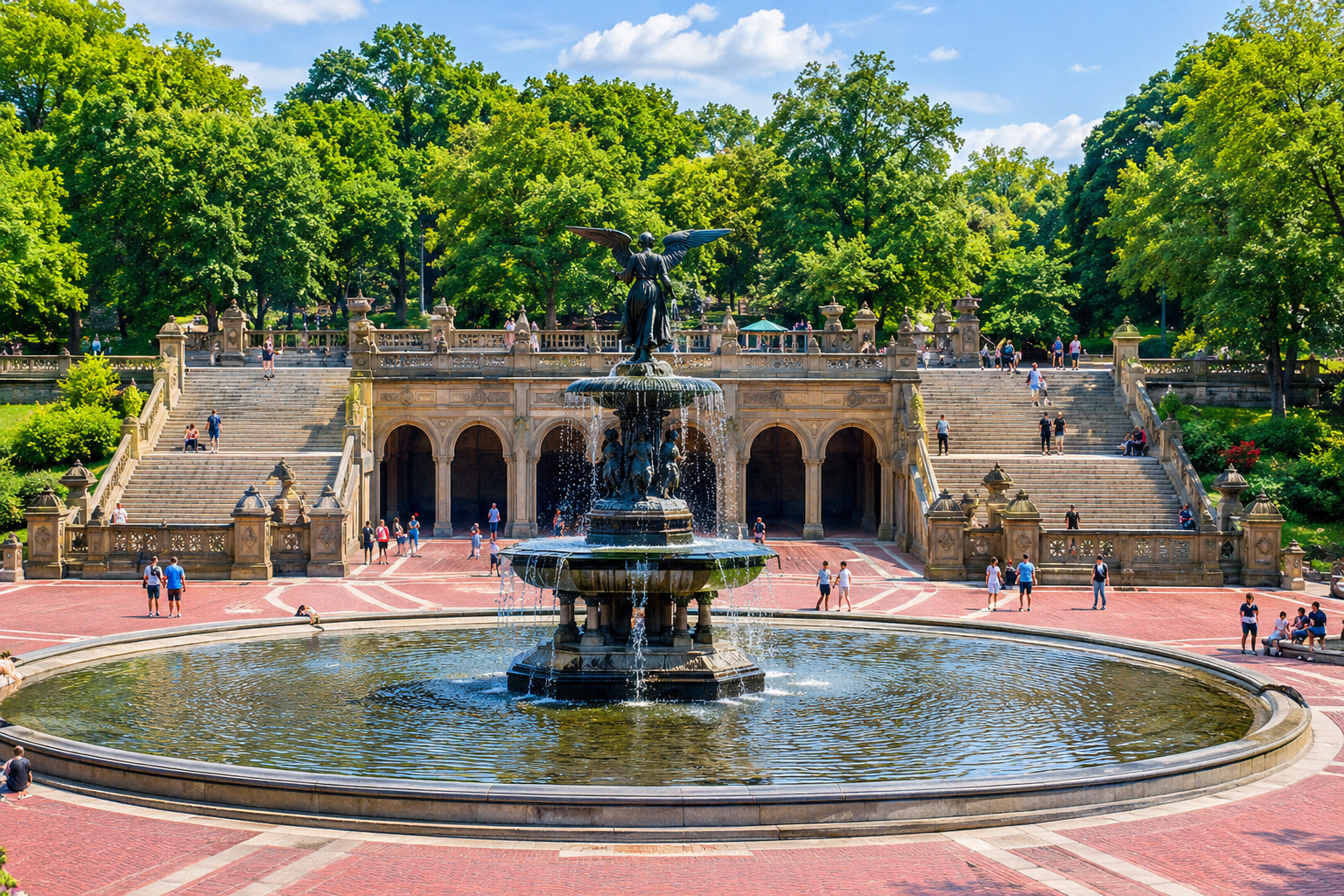
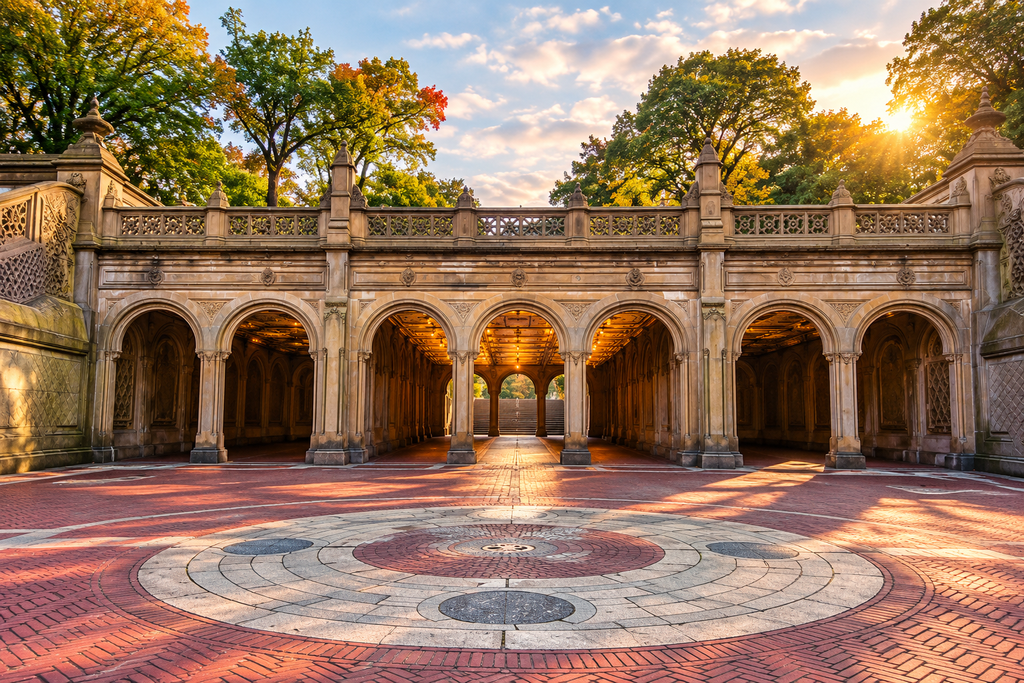
Bethesda Terrace and Fountain remain among the most recognized landmarks in Central Park, yet the famous fountain is only one part of what makes this location remarkable. Beneath the terrace, the Bethesda Arcade displays a richly decorated ceiling, while broad stone staircases, carved sandstone details, and lake-facing viewpoints reveal layers of design that are easy to pass without a second look.
Rather than being created as separate attractions, the terrace, arcade, staircases, and fountain were planned to work together as a single public gathering space near The Lake. The result is a landmark that functions as both an architectural centerpiece and a crossroads connecting different areas of the park.
This guide explores Bethesda Terrace and Fountain’s hidden details most visitors miss, from the symbolism behind the Angel of the Waters statue to architectural features that rarely receive the same attention as the fountain itself. Insights from the National Park Service and NYC Parks also help explain why this location remains one of Central Park’s most significant design achievements.
Why Bethesda Terrace and Fountain Were Designed Together
Long before Central Park became one of New York City’s most visited public spaces, Bethesda Terrace and Fountain were planned as the park’s social heart. Set beside The Lake near 72nd Street, the location was intentionally placed where several major park routes converge, creating a natural meeting point for people moving between the park’s eastern and western sides.
Unlike statues or memorials designed to stand alone, Bethesda Fountain was created as the centerpiece of a much larger composition. The fountain captures attention in the lower plaza, while the surrounding terrace, grand staircases, and arcade shape how the space is approached and experienced. This integrated design helps explain why the National Park Service recognizes Bethesda Terrace as one of Central Park’s most significant architectural landmarks.
Starting on the Upper Terrace and walking down toward the fountain reveals the original design intention. The broad staircases guide movement toward the plaza, the arcade connects the different levels beneath the terrace, and openings near The Lake gradually expand the view. Some of the Best Viewpoints Around Bethesda Terrace emerge along this route, where architecture and landscape work together as a single destination rather than separate attractions.
✅ Why Is Bethesda Terrace Famous?
Bethesda Terrace is famous for its grand staircase, sandstone arches, and carefully framed views toward The Lake. From the upper terrace, the central staircase leads directly toward Bethesda Fountain, while the lower level opens into the ornate Bethesda Arcade. The terrace’s carved details, balustrades, and waterfront setting make it more than a walkway—it is a landmark designed to connect architecture with Central Park’s landscape.
✅ Why Is Bethesda Fountain a Must-See Landmark?
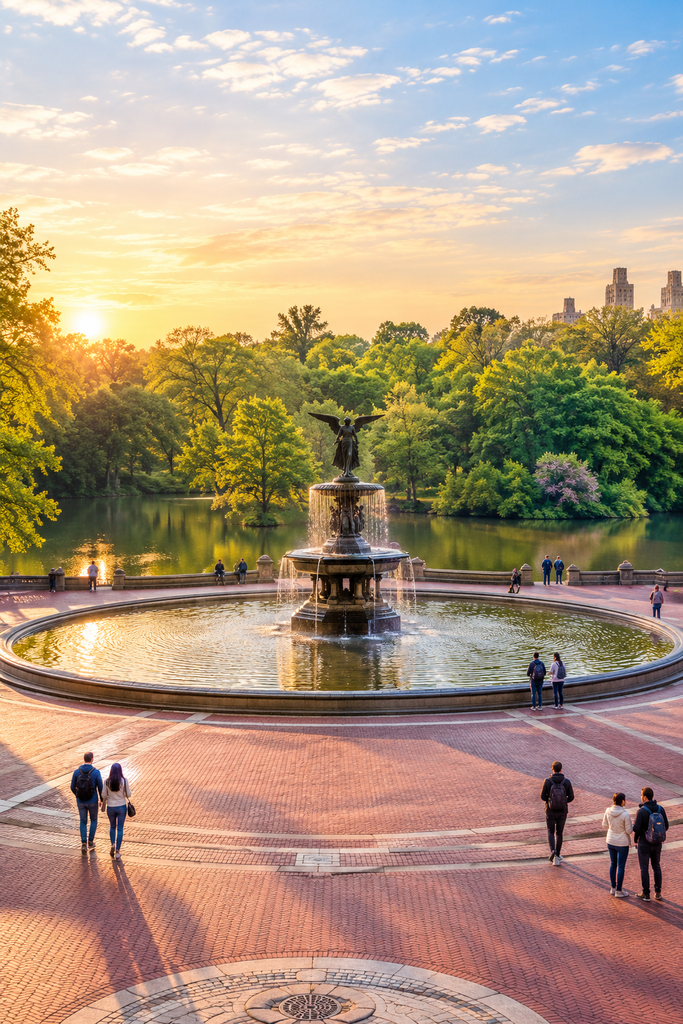
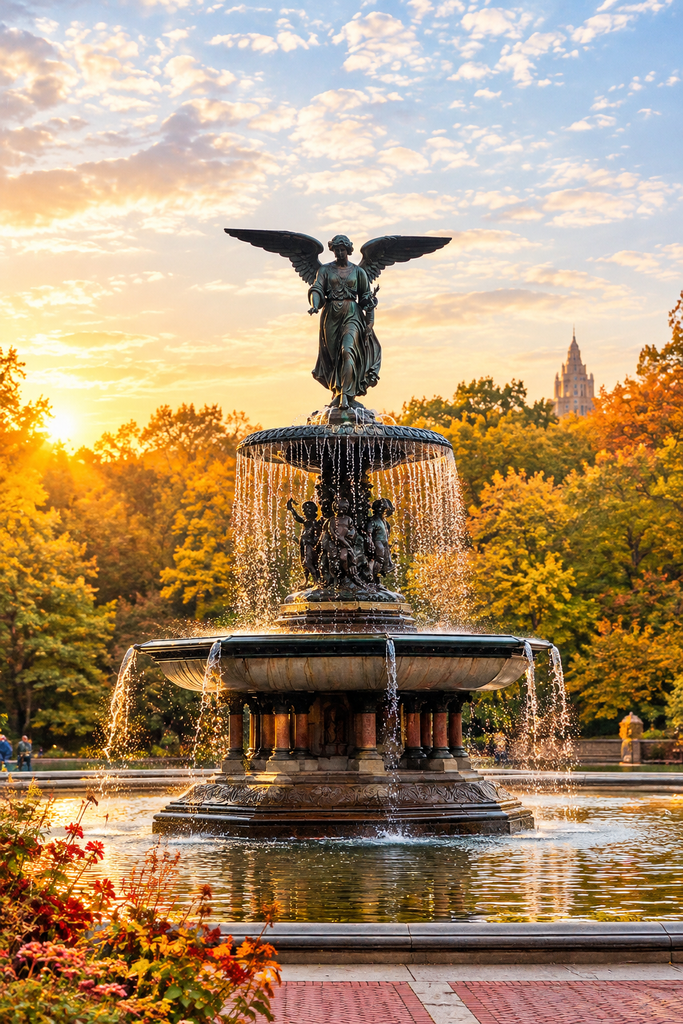
Bethesda Fountain is the centerpiece of the terrace, with the Angel of the Waters statue rising above its basin. The sculpture represents healing and clean water, giving the fountain a meaning beyond its decorative role. Its position at the foot of the grand staircase creates a strong view from the upper terrace, while The Lake directly behind it adds depth to the scene.
✅ The Angel of the Waters Has a Meaning Many Visitors Never Notice
At the center of Bethesda Fountain stands the Angel of the Waters Statue, represented through a winged figure holding a lily above the water. The lily refers to purity and healing, while the flowing water recalls New York City’s nineteenth-century effort to provide cleaner drinking water through the Croton water system. Unlike fountains placed mainly for decoration, Bethesda Fountain was created with a civic message: water could represent health, renewal, and public well-being. That gives the sculpture a purpose beyond its appearance.
Attraction Card: Bethesda Arcade
📍 Bethesda Arcade
● Why It Stands Out:
The Bethesda Arcade is an architectural highlight tucked beneath Bethesda Terrace, with its vaulted passage creating a dramatic transition toward The Lake.
● What Makes It Unique:
Its ceiling is covered with hundreds of decorative Minton encaustic tiles, creating intricate patterns and colors rarely seen elsewhere in Central Park.
● Best Reason to Stop:
Look upward before walking through. The Bethesda Arcade Ceiling in Central Park is easy to overlook from eye level, yet its detailed craftsmanship makes the passage worth pausing for.
What to Look for Beyond the Fountain
- Intricate staircase carvings: Examine the stonework along the grand staircases, where carved details become more noticeable when viewed up close.
- Sandstone terrace details: Look around the arches, columns, and retaining walls for the warm-toned sandstone used throughout the structure.
- Views toward The Lake: From the terrace, the sightline toward The Lake creates one of Central Park’s most recognizable landscape compositions.
- Stone balustrades: The balustrades frame the pathways below while adding another layer of classical architectural detail.
- Upper and lower levels: Standing on both levels reveals how carefully the terrace was arranged around the central fountain.
- Seasonal scenery: Spring greenery, summer foliage, autumn color, and winter landscapes can dramatically change the terrace’s surroundings.
Quick Visitor Checklist
✔ View the fountain from both upper and lower levels
✔ Look up at the Arcade ceiling
✔ Walk around the entire fountain plaza
✔ Pause at the lake-facing side of the terrace
✔ Notice the Angel of the Waters statue details
✔ Explore nearby paths before continuing toward other landmarks
Conclusion
Bethesda Terrace and Fountain reward a closer look than a quick photograph suggests. The approach from the terrace, the changing perspective around the lower plaza, and the quieter architectural details give the landmark a different character when explored without rushing. The Bethesda Terrace and Fountain’s Hidden Details Most Visitors Miss become easier to appreciate when you pause rather than simply pass through. Give yourself a few extra minutes to look upward, study the stonework, and notice how the space changes from different positions.